rice milk soap benefits

Rice Milk Soap Benefits for Glowing Skin: A Complete Guide

Rice Milk Soap Benefits: The Natural Secret to Brighter, Healthier Skin

In recent years, natural skincare products have gained significant popularity as more people seek gentle, Natural and effective alternatives to harsh chemical-based products. Among these natural skincare solutions, Rice Milk Soap has emerged as a favorite for those seeking smoother, brighter, and healthier-looking skin.

Rice has been used for centuries in Asian beauty traditions, particularly in countries such as Japan, Korea, and China. Women have long relied on rice water and rice milk to maintain youthful, radiant skin. Today, rice milk soap brings these traditional beauty secrets into a convenient skincare product suitable for daily use.

Whether you are struggling with dull skin, uneven skin tone, dryness, or simply looking for a natural cleansing soap, rice milk soap offers numerous benefits that make it worth adding to your skincare routine.
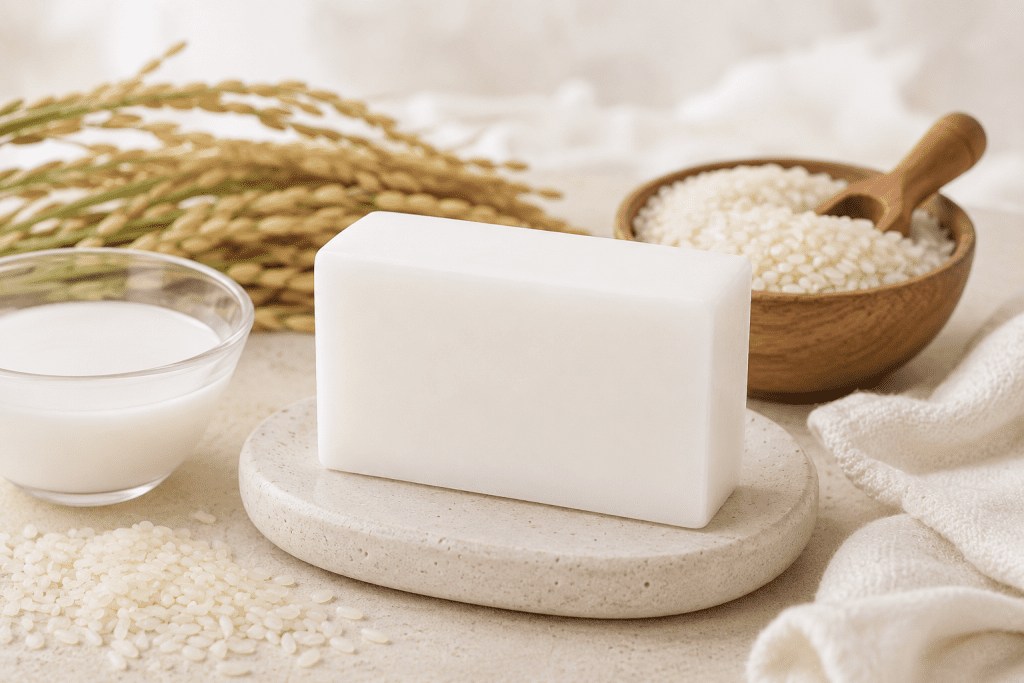
What Is Rice Milk Soap?

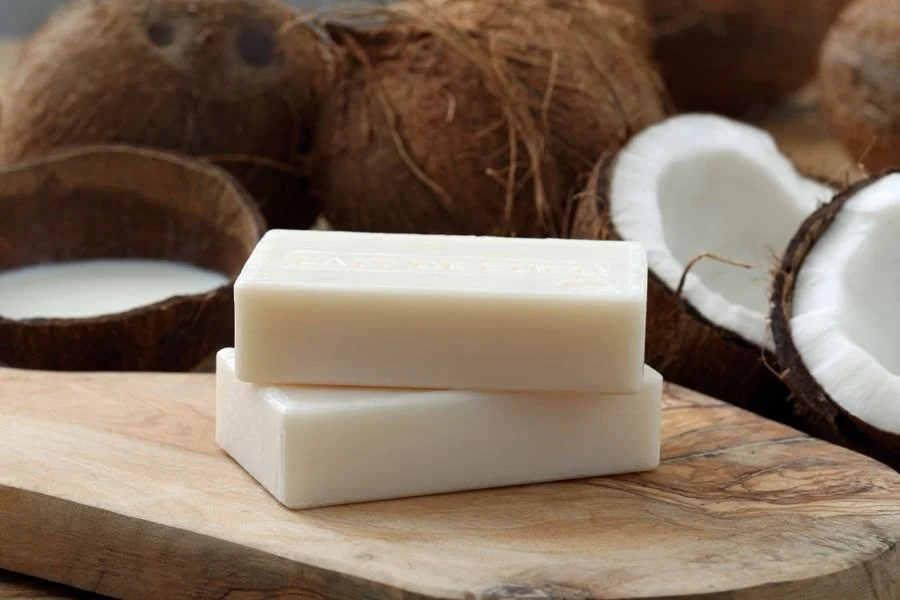
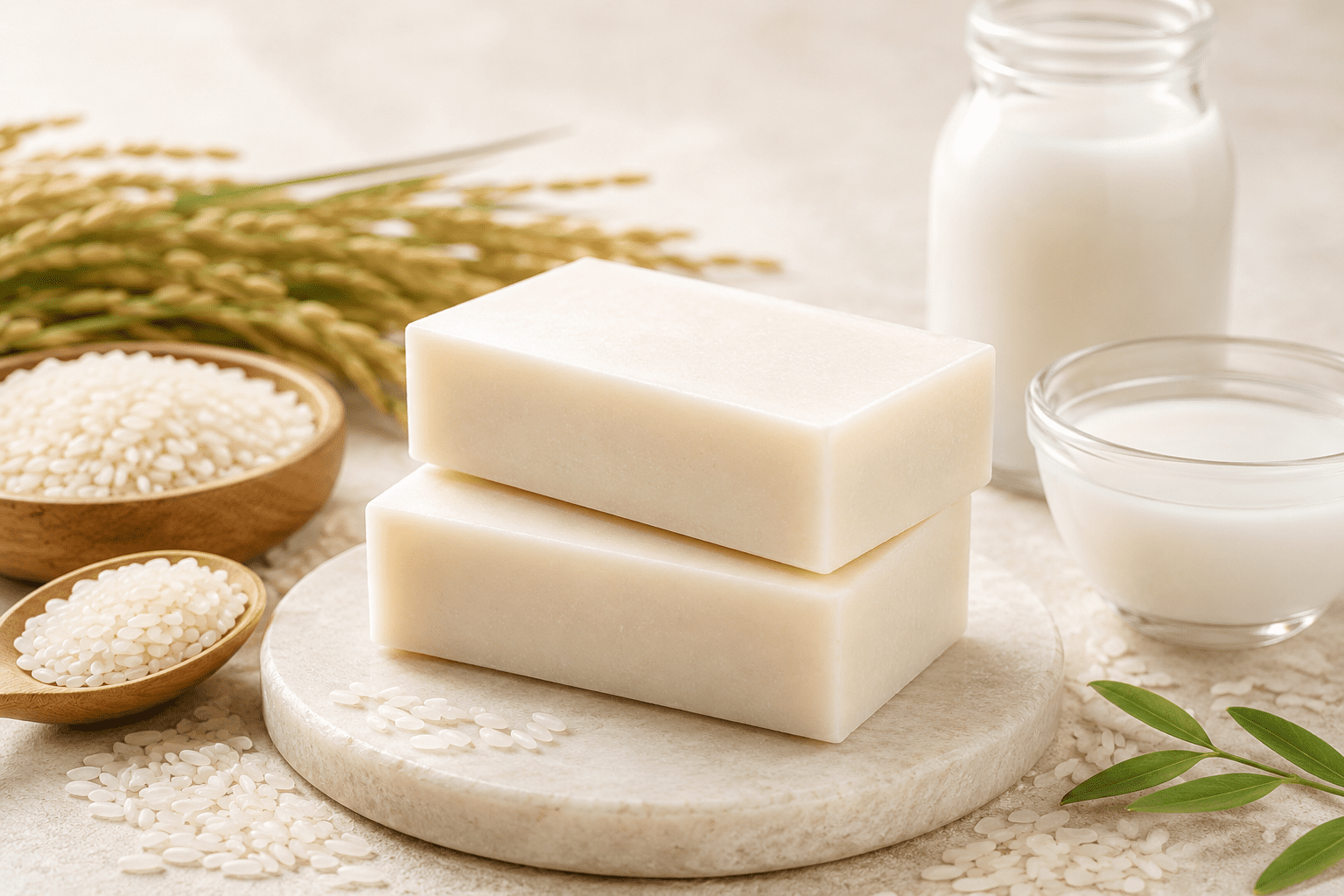
Rice milk soap is a skincare product formulated using rice milk or rice extracts combined with nourishing oils and moisturizing ingredients. It gently cleanses the skin while providing essential nutrients that help improve overall skin appearance.

Unlike many commercial soaps that can strip the skin of its natural moisture, rice milk soap is known for its mild cleansing properties and skin-conditioning benefits. It is suitable for many skin types, including sensitive skin.

The natural vitamins, antioxidants, amino acids, and minerals found in rice milk help support healthy skin while promoting a brighter and more even complexion.

Key Ingredients Found in Rice Milk Soap

The exact formulation may vary between brands, but quality rice milk soap often contains the following ingredients:

1. Rice Milk

Rice milk is rich in:

  • Vitamin B
  • Vitamin E
  • Amino acids
  • Antioxidants
  • Minerals

These nutrients help nourish the skin while improving its texture and appearance.

2. Coconut Oil

Coconut oil helps create a rich lather while moisturizing the skin. It also helps support the skin’s natural protective barrier.

3. Shea Butter

Shea butter provides deep hydration and helps soften rough, dry skin.

4. Glycerin

Glycerin is a powerful humectant that attracts moisture to the skin, helping keep it hydrated throughout the day.

5. Natural Plant Oils

Many rice milk soaps include oils such as olive oil, sunflower oil, or castor oil, which contribute additional moisturizing and skin-conditioning properties.

Top Rice Milk Soap Benefits

1. Helps Brighten the Skin

One of the most popular rice milk soap benefits is its ability to promote a brighter-looking complexion.

Rice contains natural compounds that help improve the appearance of dull skin. With consistent use, many users notice a more radiant and refreshed look.

2. Supports Even Skin Tone

Environmental factors, sun exposure, and previous acne breakouts can contribute to uneven skin tone.

Rice milk soap may help improve the appearance of dark spots and uneven pigmentation, resulting in a more balanced complexion over time.

3. Gentle Cleansing Without Over-Drying

Many traditional soaps can leave the skin feeling tight and dry after washing.

Rice milk soap gently removes dirt, oil, and impurities while helping maintain the skin’s natural moisture levels. This makes it ideal for daily use.

4. Moisturizes and Softens the Skin

The combination of rice milk, natural oils, and moisturizing ingredients helps keep skin soft and supple.

Regular use can help reduce feelings of dryness and roughness, especially during cold or dry weather.

5. Rich in Antioxidants

Antioxidants help protect the skin from environmental stressors such as pollution and UV exposure.

Rice milk contains naturally occurring antioxidants that support healthier-looking skin and help maintain a youthful appearance.

6. Suitable for Sensitive Skin

Because rice milk soap is generally mild and gentle, it is often well tolerated by individuals with sensitive skin.

Its soothing properties make it a popular choice for people who experience irritation from harsher skincare products.

7. Helps Improve Skin Texture

Consistent use of rice milk soap may help improve the appearance of rough or uneven skin texture.

The nourishing ingredients help support smoother, softer skin that feels refreshed and revitalized.

8. Supports Healthy-Looking Skin

The vitamins and minerals found in rice milk contribute to overall skin health by helping nourish and condition the skin.

When combined with a proper skincare routine, rice milk soap can become an effective part of maintaining healthy skin.

For more information about the skin benefits of rice and rice-derived ingredients, visit the American Academy of Dermatology: American Academy of Dermatology

How to Use Rice Milk Soap

To achieve the best results, follow these simple steps:

For Face

  1. Wet your face with lukewarm water.
  2. Lather the rice milk soap between your hands.
  3. Apply the foam gently to your face using circular motions.
  4. Leave the lather on the skin for 30–60 seconds.
  5. Rinse thoroughly with clean water.
  6. Pat dry with a soft towel.
  7. Apply a moisturizer suitable for your skin type.

For Body

  1. Wet your body thoroughly.
  2. Apply the soap directly or using a washcloth.
  3. Massage gently over the skin.
  4. Pay special attention to rough areas such as elbows and knees.
  5. Rinse thoroughly.
  6. Follow with a body lotion if desired.

Tips for Getting the Best Results

To maximize the benefits of rice milk soap:

  • Use consistently every day.
  • Apply sunscreen during the daytime.
  • Stay hydrated by drinking enough water.
  • Maintain a balanced diet rich in fruits and vegetables.
  • Avoid harsh scrubs that may irritate the skin.
  • Pair with a gentle moisturizer for additional hydration.

Remember that natural skincare products typically require consistent use over several weeks before noticeable improvements become visible.

Who Can Use Rice Milk Soap?

Rice milk soap is suitable for:

Dry Skin

Its moisturizing ingredients help reduce dryness and improve skin comfort.

Oily Skin

The gentle cleansing properties help remove excess oil without over-stripping the skin.

Combination Skin

Rice milk soap helps balance different areas of the face while maintaining hydration.

Sensitive Skin

The mild formulation makes it suitable for many people with sensitive skin.

Mature Skin

Its antioxidant content helps support healthy-looking, youthful skin.

Frequently Asked Questions About Rice Milk Soap

Can Rice Milk Soap Be Used Every Day?

Yes. Rice milk soap is generally gentle enough for daily use on both the face and body.

How Long Does It Take to See Results?

Results vary depending on individual skin type and concerns. Many users begin noticing improvements within several weeks of consistent use.

Is Rice Milk Soap Suitable for Men and Women?

Absolutely. Rice milk soap can be used by anyone seeking healthier-looking skin regardless of gender.

Can It Help with Dull Skin?

Yes. One of the primary rice milk soap benefits is helping improve skin brightness and radiance.

Does Rice Milk Soap Dry Out the Skin?

Quality rice milk soap formulations are designed to cleanse while maintaining moisture, making them less drying than many conventional soaps.

Consumers are increasingly choosing natural skincare products because they often contain fewer harsh chemicals and focus on nourishing the skin using ingredients derived from nature.

Rice milk soap aligns perfectly with this trend by combining traditional beauty wisdom with modern skincare practices. Its gentle cleansing action and skin-loving nutrients make it a valuable addition to any daily skincare routine.

Conclusion

Rice milk soap is much more than an ordinary cleansing bar. Packed with vitamins, antioxidants, amino acids, and moisturizing ingredients, it offers numerous benefits for individuals seeking brighter, softer, and healthier-looking skin.

From gentle cleansing and hydration to supporting a more even skin tone and smoother texture, rice milk soap provides a natural solution for everyday skincare needs. Whether you have dry, oily, combination, or sensitive skin, incorporating rice milk soap into your routine may help you achieve the radiant complexion you desire.

Consistency is key. With regular use and proper skincare habits, rice milk soap can become an essential part of maintaining beautiful, healthy skin naturally.

Call to Action

Ready to experience the amazing benefits of rice milk soap for yourself?

Order your Rice Milk Soap today from Amana Organics Rice Milk Soap and discover why so many people are making it a staple in their daily skincare routine. Made with carefully selected ingredients, this nourishing soap helps cleanse, hydrate, and promote a brighter, healthier-looking complexion. Shop now and experience the natural beauty benefits of Rice Milk Soap for yourself.
crude coconut oil in soap making

Crude Coconut Oil for Soap Making: Top 5 Amazing Benefits, Uses & Complete Guide

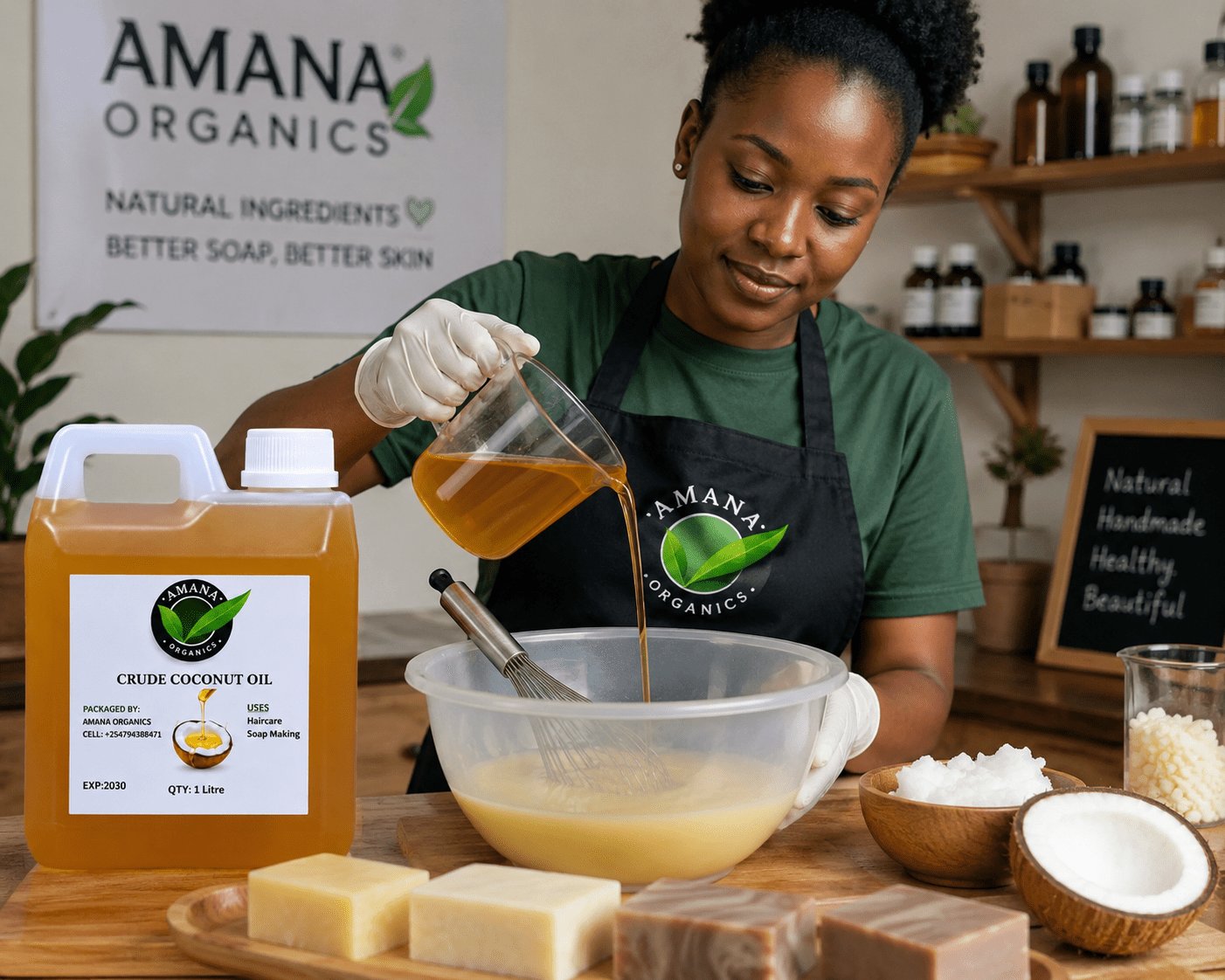
crude coconut oil for soap making, If you are into soap making—whether at home or on a small commercial scale—crude coconut oil is one of the most powerful and cost-effective ingredients you can work with. Known for its high cleansing ability, rich lather, and long shelf life, it remains a top choice for cold process and hot process soap formulations worldwide.

What is Crude Coconut Oil?

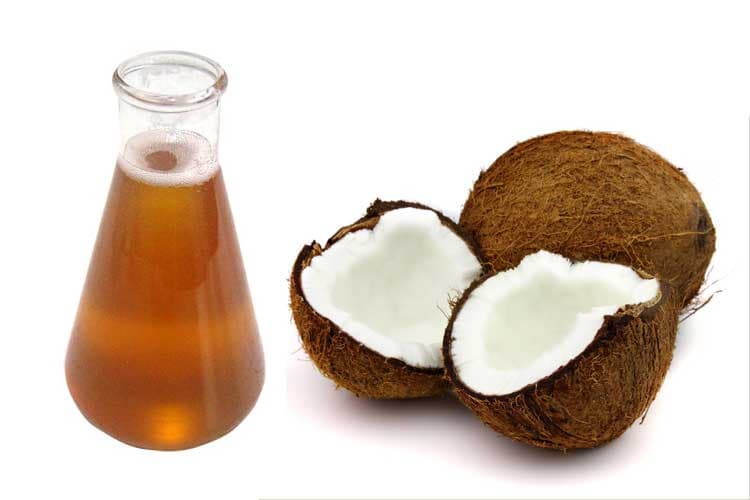
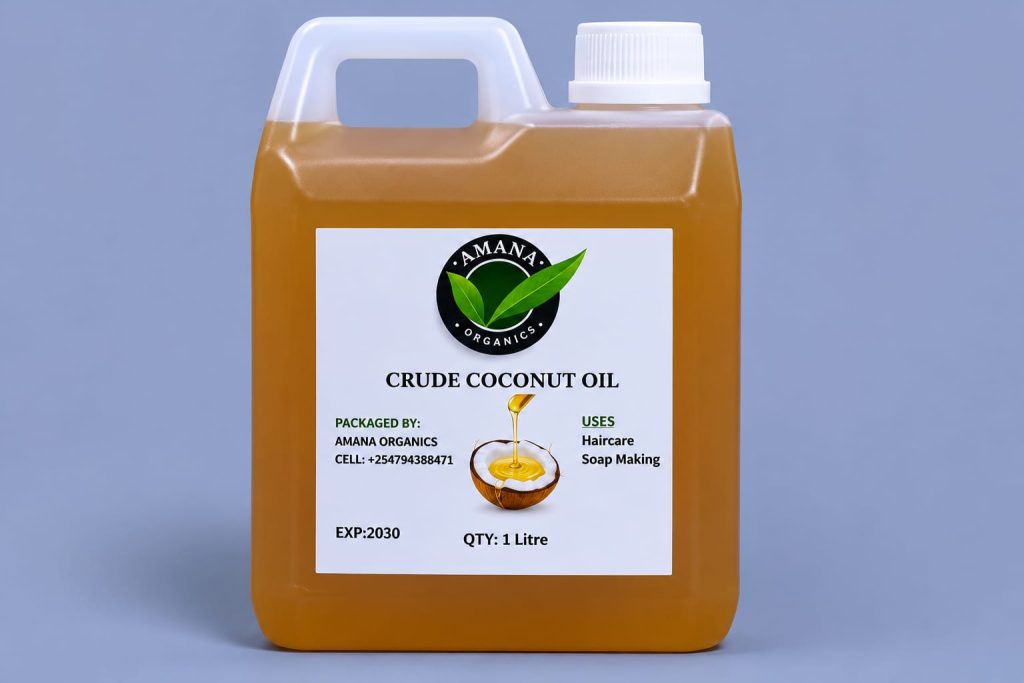
Crude coconut oil is the unrefined form of oil extracted from dried coconut meat (copra). Unlike refined coconut oil, it has not undergone extensive bleaching or deodorizing, meaning it retains:

  • A natural coconut aroma (sometimes strong or smoky depending on processing)
  • A golden-yellow to brownish tint
  • Higher levels of natural compounds and fatty acids

Because it is less processed, crude coconut oil is often cheaper and more accessible, making it ideal for soap makers looking to reduce production costs without compromising performance.

Why Use Crude Coconut Oil for Soap Making?

Coconut oil is one of the most valuable oils in soap formulation because of its unique fatty acid profile.

1. Excellent Cleansing Ability

Crude coconut oil is rich in lauric acid, which creates a strong cleansing effect. This makes it ideal for:

  • Removing oils and dirt
  • Producing hard, long-lasting bars

2. Rich, Voluminous Lather

It produces a big bubbly lather, even in hard water. This is one reason it is widely used in commercial soaps and detergents.

3. Hard Bar Formation

Soaps made with coconut oil tend to be:

  • Hard
  • Durable
  • Less prone to melting in humid climates

4. Cost-Effective for Bulk Production

In markets like Kenya, crude coconut oil is often significantly cheaper than refined oils, making it ideal for:

  • Small businesses
  • Wholesale soap production
  • Export-focused brands

Reference Insight

For more technical understanding of coconut oil behavior in soap formulation, you can refer to:
Lovin Soap Studio – Coconut Oil Properties in Soap Making

Fatty Acid Profile of Coconut Oil (Soap Perspective)

Understanding the chemistry helps you formulate better soaps:

  • Lauric Acid (45–55%) → Strong cleansing, big bubbles
  • Myristic Acid (16–20%) → Foam and hardness
  • Palmitic Acid (8–12%) → Stability and firmness
  • Caprylic/Capric Acid → Antimicrobial properties
  • Oleic Acid (small amounts) → Conditioning

This balance makes coconut oil powerful but potentially drying if overused.

How Much Crude Coconut Oil Should You Use in Soap?

This is one of the most important formulation questions.

  • 20–30% → Balanced facial/body soap (mild + cleansing)
  • 30–40% → Strong cleansing laundry or dish soap
  • 40–100% (Coconut Castile-style soap) → Very cleansing but can be drying without superfatting

Important Tip:

Always include a superfat (5–8%) when using high coconut oil percentages to avoid overly stripping soap.

How Much Crude Coconut Oil Should You Use in Soap?

This is one of the most important formulation questions.

  • 20–30% → Balanced facial/body soap (mild + cleansing)
  • 30–40% → Strong cleansing laundry or dish soap
  • 40–100% (Coconut Castile-style soap) → Very cleansing but can be drying without superfatting

Important Tip:

Always include a superfat (5–8%) when using high coconut oil percentages to avoid overly stripping soap.


Crude Coconut Oil vs Refined Coconut Oil in Soap Making

FeatureCrude Coconut OilRefined Coconut Oil
ColorYellow/brownWhite
SmellStrong coconut or smokyNeutral
PriceLowerHigher
ProcessingMinimalHighly processed
Soap qualityExcellent cleansingMore predictable
Best useCommercial/bulk soapCosmetic premium soaps

Many soap makers in Kenya prefer crude coconut oil for cost efficiency and performance balance.


How to Use Crude Coconut Oil in Cold Process Soap

Basic Steps:

  1. Measure oils accurately
    • Combine coconut oil with other oils like palm oil, olive oil, or sunflower oil
  2. Prepare lye solution
    • Always add sodium hydroxide (NaOH) to water—not the reverse
  3. Heat and melt oils
    • Crude coconut oil may need gentle warming due to impurities or solidification
  4. Mix to trace
    • Blend lye and oils until emulsified
  5. Add fragrance or additives
    • Essential oils, herbs, or colorants
  6. Pour and cure
    • Allow 24–48 hours in mold
    • Cure for 3–6 weeks for best hardness and mildness

Best Oil Combinations for Soap Making

To balance crude coconut oil, combine it with:

  • Palm oil → hardness and longevity
  • Castor oil → stable lather
  • Olive oil → moisturizing effect
  • Sunflower oil → light conditioning

Example Formula (Basic Balanced Bar):

  • 30% crude coconut oil
  • 30% palm oil
  • 25% olive oil
  • 10% sunflower oil
  • 5% castor oil

Business Opportunity: Soap Making with Coconut Oil

Crude coconut oil is especially attractive for small businesses because:

  • Low raw material cost
  • High demand for handmade soap
  • Easy scaling from home production to factory level
  • Strong margins in both retail and wholesale markets

With proper branding and packaging, coconut oil soaps can be positioned as:

  • Natural soaps
  • Antibacterial soaps
  • Organic skincare bars
  • Laundry or multipurpose cleaning bars

Final Thoughts

Crude coconut oil remains one of the most practical and powerful ingredients in soap making. Its affordability, availability, and strong cleansing properties make it ideal for both beginners and commercial soap producers.

However, the key to success lies in balance—pairing it with conditioning oils and using it at the right percentage to avoid overly drying soap.

If you are building a soap brand or scaling production, mastering coconut oil formulations can significantly improve your product quality and profit margins.

Call To Action

Looking for premium crude coconut oil for soap making that gives your soaps rich lather, strong cleansing power, and consistent quality?

At Amana Organics Kenya, we supply fresh, high-quality crude coconut oil perfect for both small-scale and commercial soap production. Our oil is carefully sourced to help you create hard bars, rich foam, and cost-effective soap formulations your customers will love.

Order now and start producing better-quality soap today:
https://www.amanaorganicskenya.com/product/crude-coconut-oil/

benefits of shea butter

Discover 10 Amazing Benefits of Shea Butter for Dry Skin

Benefits of Shea Butter for Dry Skin

Dry skin can be uncomfortable, itchy, flaky, and sometimes painful. Whether caused by harsh weather, aging, frequent washing, or naturally low moisture levels, dry skin requires nourishment that goes beyond ordinary moisturizers. One natural skincare ingredient that has stood the test of time is shea butter.

Known for its rich texture and exceptional moisturizing properties, shea butter has been used for centuries to protect and heal the skin. Today, it remains one of the most popular natural ingredients in skincare products around the world. If you’re looking for an effective solution for dry skin, understanding the benefits of shea butter for dry skin can help you achieve softer, healthier, and more radiant skin naturally.

According to experts at Cleveland Clinic, shea butter contains beneficial fatty acids, antioxidants, and vitamins that help moisturize, soothe, and support healthy skin. Its ability to nourish and protect the skin barrier makes it a valuable ingredient for people struggling with dryness and irritation.

What Is Shea Butter?

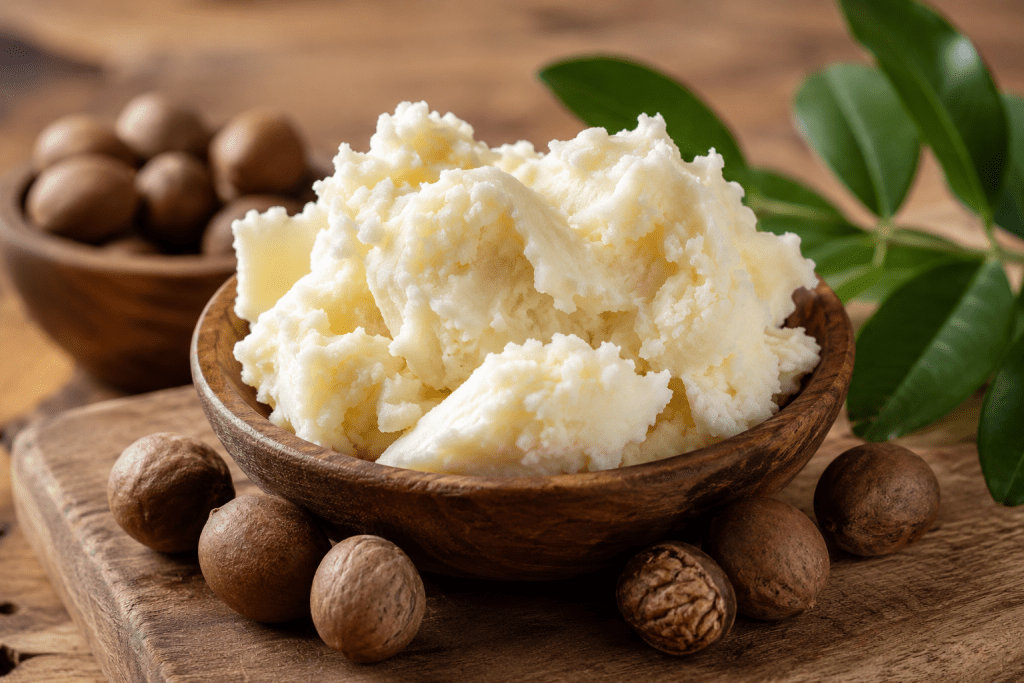
Shea butter is a natural fat extracted from the nuts of the African shea tree (Vitellaria paradoxa). After harvesting and processing the nuts, a creamy butter is produced that ranges in color from ivory to pale yellow.

Unlike many synthetic moisturizers, shea butter is packed with skin-loving nutrients, including:

  • Vitamins A, E, and F
  • Essential fatty acids
  • Antioxidants
  • Natural emollients
  • Anti-inflammatory compounds

These nutrients work together to nourish, hydrate, and protect the skin, making shea butter an excellent remedy for dryness.

raw shea butter

Why Dry Skin Needs Extra Care

Dry skin occurs when the skin’s natural moisture barrier becomes compromised. This allows moisture to escape while making it easier for irritants and environmental stressors to enter.

Common signs of dry skin include:

  • Tightness after washing
  • Flaking or peeling
  • Rough texture
  • Redness
  • Itching
  • Cracked skin

Without proper hydration and protection, dry skin can become more sensitive and prone to premature aging. This is where shea butter excels.

Top Benefits of Shea Butter for Dry Skin

1. Provides Deep and Long-Lasting Moisture

One of the biggest benefits of shea butter for dry skin is its ability to provide intense hydration.

Shea butter contains high concentrations of fatty acids, including:

  • Oleic acid
  • Stearic acid
  • Linoleic acid
  • Palmitic acid

These fatty acids help replenish lost moisture while creating a protective barrier that prevents water loss.

Unlike lotions that may evaporate quickly, shea butter penetrates deeply into the skin and provides lasting hydration. This makes it especially beneficial for extremely dry areas such as:

  • Elbows
  • Knees
  • Heels
  • Hands
  • Feet

Regular use helps maintain soft, supple skin throughout the day.

2. Strengthens the Skin Barrier

Your skin barrier is the first line of defense against environmental damage and moisture loss.

When the skin barrier becomes weakened, dryness often worsens. Shea butter helps restore and strengthen this protective layer by supplying essential lipids that support skin health.

A stronger skin barrier means:

  • Better moisture retention
  • Reduced irritation
  • Less sensitivity
  • Improved resilience against harsh weather

This protective effect is particularly useful during cold, dry seasons when skin tends to become more dehydrated.

3. Soothes Itching and Irritation

Dry skin is often accompanied by itching, redness, and irritation.

The natural anti-inflammatory compounds found in shea butter help calm inflamed skin and reduce discomfort. Applying shea butter can provide immediate relief from:

  • Dry skin itchiness
  • Seasonal skin irritation
  • Mild eczema symptoms
  • Environmental dryness

Its gentle nature makes it suitable for sensitive skin types, including children and individuals prone to skin reactions.

4. Supports Skin Repair and Healing

Another important benefit of shea butter for dry skin is its ability to support skin healing.

The vitamins and antioxidants present in shea butter promote cell regeneration and help repair damaged skin. This is especially useful when dryness leads to:

  • Cracks
  • Rough patches
  • Minor skin damage
  • Peeling

Regular application can help restore skin’s natural smoothness and improve overall texture.

5. Rich in Skin-Nourishing Vitamins

Shea butter naturally contains vitamins that play a key role in maintaining healthy skin.

Vitamin A

Vitamin A supports healthy skin cell turnover and helps improve the appearance of dry, rough skin.

Vitamin E

Vitamin E acts as a powerful antioxidant that protects the skin from free radical damage while helping maintain moisture levels.

Vitamin F

Vitamin F consists of essential fatty acids that nourish the skin and support barrier function.

Together, these vitamins contribute to healthier, more resilient skin.

6. Helps Reduce Flakiness and Rough Texture

Dry skin often develops rough patches and visible flakes that affect the skin’s appearance and comfort.

Shea butter works as a natural emollient, softening rough areas and smoothing uneven texture. With consistent use, skin becomes:

  • Softer
  • Smoother
  • More flexible
  • Better hydrated

This makes shea butter particularly effective for individuals struggling with chronically dry skin.

7. Offers Natural Protection Against Environmental Stress

Environmental factors can worsen dry skin significantly.

These include:

  • Cold weather
  • Wind
  • Low humidity
  • Air conditioning
  • Indoor heating

Shea butter forms a breathable protective layer over the skin that helps shield it from these external stressors while locking in moisture.

Unlike petroleum-based products, shea butter allows the skin to breathe while still providing excellent protection.

8. May Help Improve Skin Elasticity

Dry skin often appears dull and less elastic. Over time, dehydration can contribute to the appearance of fine lines and premature aging.

The nourishing fatty acids in shea butter help support collagen production and improve skin elasticity. Well-hydrated skin tends to look:

  • Plumper
  • Smoother
  • More youthful
  • More radiant

While shea butter is not a miracle anti-aging treatment, its moisturizing properties can significantly improve the overall appearance of dry, aging skin.

9. Suitable for Sensitive Skin

Many commercial moisturizers contain:

  • Artificial fragrances
  • Harsh preservatives
  • Synthetic chemicals

These ingredients can irritate sensitive skin and worsen dryness.

Pure, unrefined shea butter is generally well-tolerated by most skin types. Its gentle nature makes it a popular choice for:

  • Sensitive skin
  • Mature skin
  • Dry skin
  • Children’s skincare

Always choose high-quality, unrefined shea butter whenever possible to maximize its benefits.

10. Versatile and Easy to Use

One of the reasons shea butter remains so popular is its versatility.

It can be used as:

Daily Moisturizer

Apply a small amount to clean skin after bathing to lock in moisture.

Overnight Treatment

Use a thicker layer before bed for intensive hydration.

Hand Cream

Protect dry, overwashed hands throughout the day.

Foot Treatment

Massage into cracked heels and dry feet before sleeping.

Lip Balm

Soothe and protect dry, chapped lips naturally.

How to Use Shea Butter for Dry Skin

To get the most benefits from shea butter, follow these simple steps:

Step 1: Cleanse the Skin

Wash with a gentle cleanser that does not strip natural oils.

Step 2: Apply to Damp Skin

Shea butter works best when applied immediately after bathing or washing, while the skin is still slightly damp.

Step 3: Warm Between Your Hands

Rub a small amount between your palms until it softens.

Step 4: Massage Gently

Apply to dry areas using gentle circular motions.

Step 5: Use Consistently

Daily use provides the best results and helps maintain healthy hydration levels.

benefits of shea butter

Unrefined vs Refined Shea Butter

When shopping for shea butter, you’ll often encounter two main types.

Unrefined Shea Butter

  • Minimally processed
  • Retains natural vitamins and nutrients
  • Ivory or pale yellow color
  • Natural nutty scent

Refined Shea Butter

  • Processed to remove color and odor
  • Smoother appearance
  • Fewer nutrients compared to unrefined versions

For maximum skincare benefits, unrefined shea butter is generally the preferred choice.

Who Can Benefit Most from Shea Butter?

Shea butter is particularly beneficial for people who experience:

  • Chronic dry skin
  • Seasonal dryness
  • Rough elbows and knees
  • Cracked heels
  • Sensitive skin
  • Mature skin
  • Dry hands from frequent washing

Its nourishing properties make it suitable for nearly all ages and skin types.

Tips for Choosing Quality Shea Butter

To ensure you’re getting the best product:

  • Choose 100% pure shea butter
  • Look for unrefined varieties
  • Avoid unnecessary additives
  • Purchase from reputable suppliers
  • Check for a creamy texture and natural scent

High-quality shea butter retains more nutrients and provides better moisturizing benefits.

FAQ Schema Section

Q: Is shea butter good for very dry skin?
A: Yes, shea butter contains fatty acids and vitamins that help deeply moisturize and protect dry skin.

Q: Can shea butter help with itchy skin?
A: Shea butter’s moisturizing and soothing properties may help relieve dryness-related itching.

Q: How often should I apply shea butter?
A: For best results, apply daily, especially after bathing when the skin is still slightly damp.

Conclusion

The benefits of shea butter for dry skin make it one of nature’s most effective and trusted moisturizers. Rich in vitamins, essential fatty acids, and antioxidants, shea butter deeply hydrates the skin while strengthening the moisture barrier, soothing irritation, and supporting natural healing.

Whether you’re dealing with seasonal dryness, rough patches, cracked skin, or everyday dehydration, incorporating shea butter into your skincare routine can dramatically improve skin comfort and appearance. Its natural, gentle, and versatile nature makes it an excellent choice for anyone seeking healthier, softer, and more nourished skin.

By choosing high-quality, unrefined shea butter and using it consistently, you can enjoy long-lasting hydration and reveal smoother, more radiant skin naturally.

Call to Action

Give your skin the care it deserves.

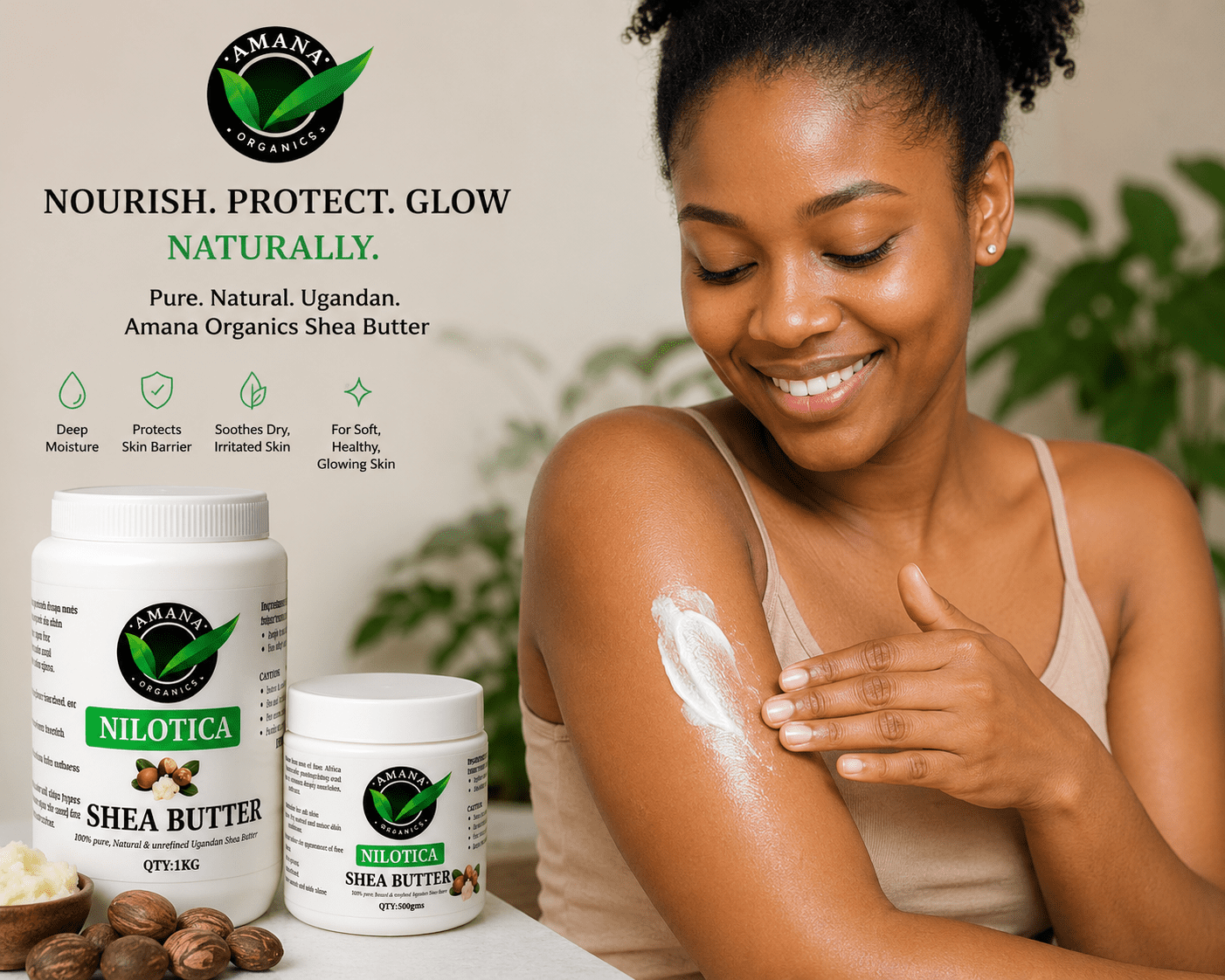
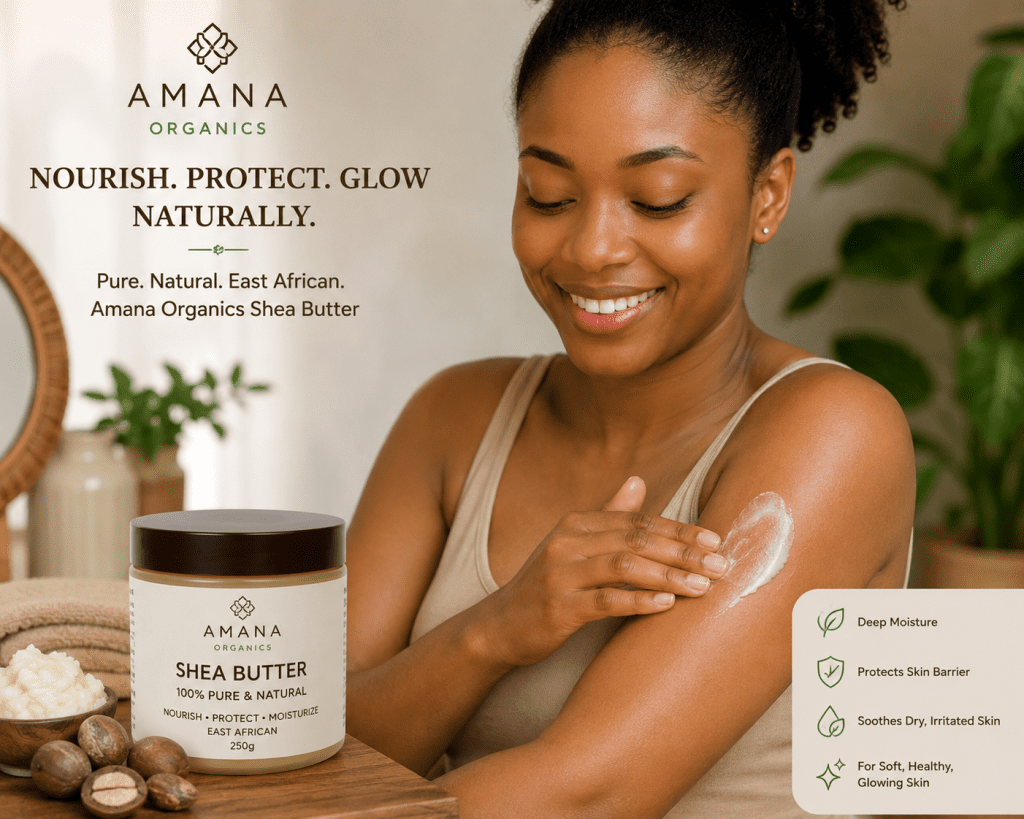
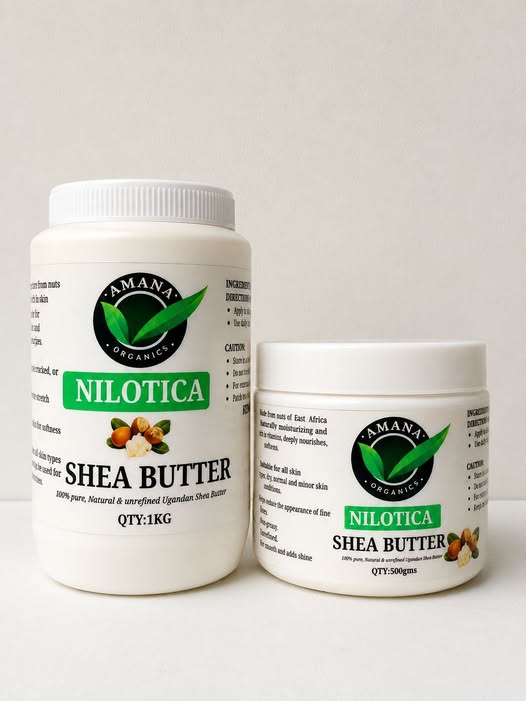
Shop premium East African Shea Butter today and start your journey to softer, smoother, healthier skin:

Click East African Shea Butter

Order now and enjoy the benefits of naturally hydrated, beautifully nourished skin every day.

Back to Top
Product has been added to your cart