Essential Oils: Benefits, Uses, Safety & How to Choose the Right Oil

Essential oils benefits, Essential oils have become increasingly popular in natural skincare, haircare, aromatherapy and personal care. From the calming aroma of lavender to the refreshing sensation of peppermint, these concentrated plant extracts offer a variety of ways to enjoy the natural aromas and properties of plants.

But what exactly are essential oils? How are they extracted? What are they used for, and how can you use them safely?

In this guide, Amana Organics explores essential oils, their common uses, extraction methods, safety considerations and how to choose the right essential oil for your needs.
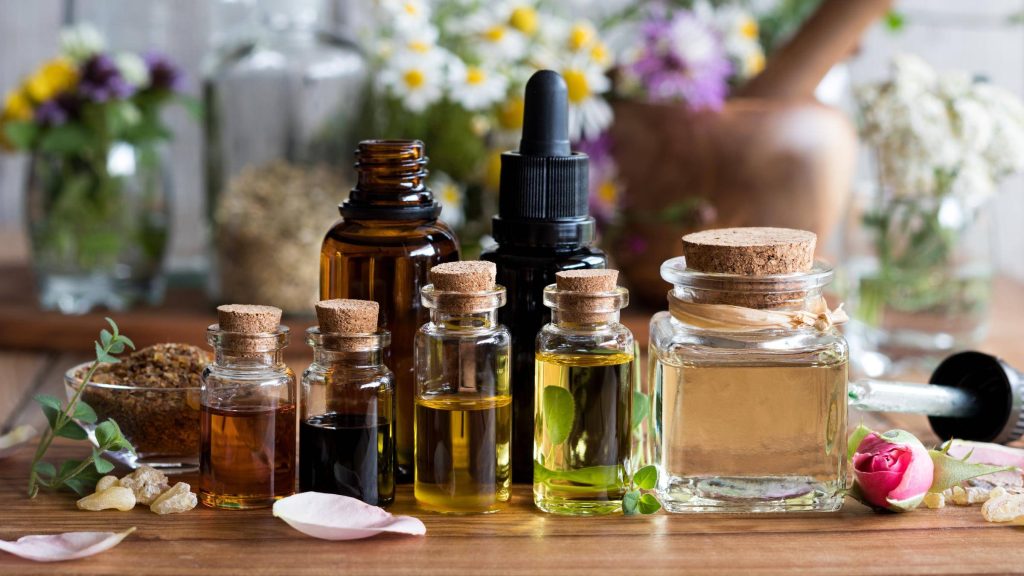
essential oils benefits

What Are Essential Oils?

hey contain naturally occurring compounds responsible for the characteristic fragrance of the plant. For example, lavender essential oil has the distinctive floral aroma associated with lavender, while peppermint essential oil has a fresh, minty aroma.

Essential oils are much more concentrated than the original plant material. This is why a small amount can provide a strong aroma and why essential oils should be handled carefully.

Essential oils are commonly used in:

  • Aromatherapy
  • Personal-care products
  • Skincare formulations
  • Haircare products
  • Massage oils
  • Bath products
  • Natural fragrances
  • Home fragrance applications

Aromatherapy typically involves inhaling essential oils or applying them to the skin in a diluted form. The National Center for Complementary and Integrative Health provides further information about aromatherapy and essential oils, including their common uses and safety considerations. NCCIH – Aromatherapy and Essential Oils

Where Do Essential Oils Come From?

Essential oils are derived from aromatic plants grown in different parts of the world.

Depending on the plant, the oil may come from:

  • Flowers
  • Leaves
  • Stems
  • Bark
  • Roots
  • Seeds
  • Fruit peels
  • Other aromatic plant material

Lavender essential oil, for example, is associated with the lavender plant, while tea tree essential oil comes from the leaves of the tea tree, Melaleuca alternifolia. Tea tree oil is commonly produced through steam distillation of the leaves.

The plant species, growing conditions, harvesting methods, processing technique and storage conditions can all influence the final characteristics of an essential oil.

Why Do People Use Essential Oils?

People use essential oils for several different reasons.

Some enjoy them primarily for their natural aromas, while others incorporate them into skincare, haircare, massage or aromatherapy routines.

Common uses include:

Essential Oils Benefits in Aromatherapy

Essential oils can be inhaled using appropriate aromatherapy methods such as a diffuser or personal inhalation method.

Lavender, peppermint and other aromatic oils are commonly used in aromatherapy. Research into aromatherapy continues, and evidence differs depending on the oil and the purpose for which it is being used.

Essential Oils Benefits in Skincare

Some essential oils are incorporated into cosmetic formulations designed for particular skin types or purposes.

However, because essential oils are concentrated, they should not automatically be assumed to be suitable for direct application to the skin. Dermatologists caution that essential oils can cause irritation or allergic reactions, particularly when used undiluted.

Essential Oils Benefits in Hair and Scalp Care

Certain essential oils are popular ingredients in hair and scalp products.

They are generally used in diluted formulations or combined with carrier oils rather than applied directly in their concentrated form.

Essential Oils Benefits in Personal Care

Essential oils can add natural fragrance to products such as body oils, soaps, bath products and massage oils.

How Are Essential Oils Extracted?

Different plants require different extraction techniques. The extraction method can affect the aroma, composition and characteristics of the final oil.

Steam Distillation

Steam distillation is one of the most commonly used methods for producing essential oils.

During steam distillation, steam passes through aromatic plant material. Heat helps release volatile aromatic compounds, which travel with the steam. The vapour is then cooled and condensed, allowing the essential oil to be separated from the water.

Many essential oils, including tea tree oil, are produced using steam distillation.

Cold Pressing

Cold pressing is particularly associated with citrus essential oils.

The oil-containing outer peel of fruits such as oranges, lemons and other citrus fruits can be mechanically pressed to release aromatic oils.

Citrus oils require particular attention when used on the skin because some citrus essential oils can increase sensitivity to sunlight depending on the specific oil and formulation.

Other Extraction Methods

Some delicate flowers and plant materials may require specialized extraction techniques.

Depending on the plant, methods may include solvent extraction or other advanced techniques designed to capture aromatic compounds that may not be suitable for conventional steam distillation.

The important point is that not every essential oil is extracted in exactly the same way.

Benefits and Uses of Essential Oils

Different essential oils have different aromas and characteristics. Your choice should depend on how you intend to use the oil.

Here are some popular essential oils and their common applications.

Lavender Essential Oil
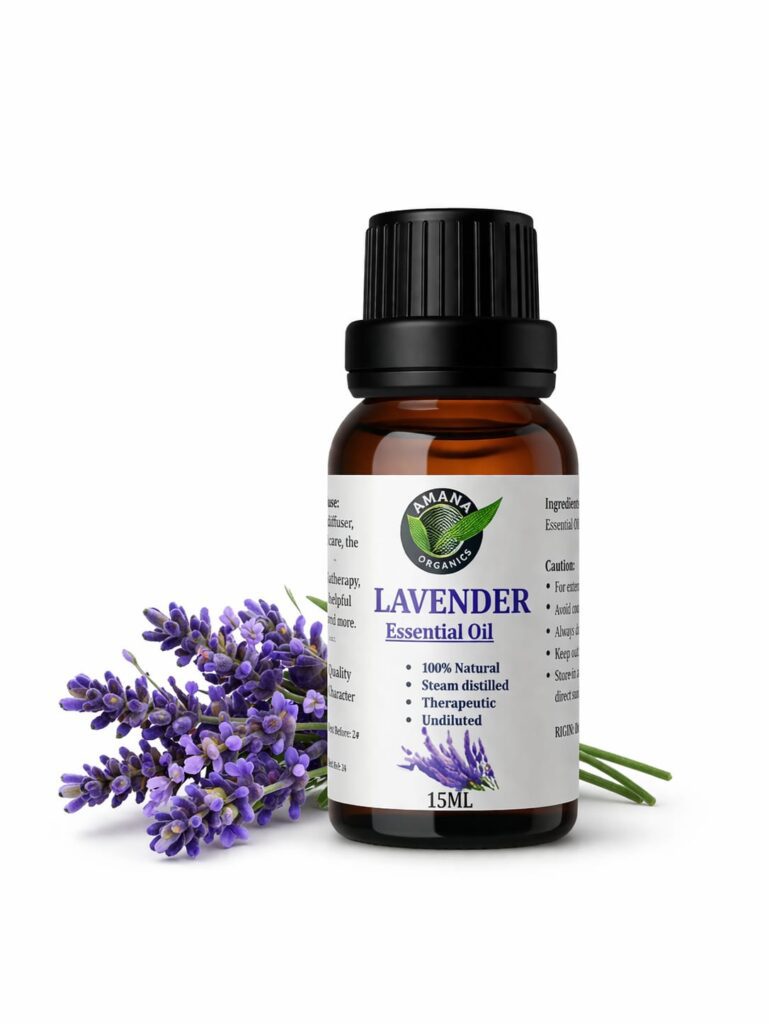
essential oils benefits

Lavender essential oil is one of the best-known essential oils and is widely appreciated for its soft, floral aroma.

Aromatherapy

Lavender is commonly used in aromatherapy because of its pleasant and relaxing scent.

Some people incorporate lavender into their evening routines, massage practices or home fragrance routines.

Although lavender is widely promoted for relaxation and sleep, research has not established strong conclusions for every claimed benefit.

Relaxation

The aroma of lavender can be incorporated into relaxing personal-care routines.

You can use appropriately formulated lavender products during activities such as massage, bathing or evening aromatherapy.

Skincare Applications

Lavender essential oil is also used as an ingredient in cosmetic and personal-care formulations.

For topical use, it should be appropriately diluted because concentrated essential oils may irritate sensitive skin.

Looking for Lavender Essential Oil in Kenya? Discover Amana Organics 100% pure Lavender Essential Oil (Lavandula angustifolia), steam-distilled from lavender flowers and suitable for aromatherapy and properly diluted personal-care applications

Rosemary Essential Oil
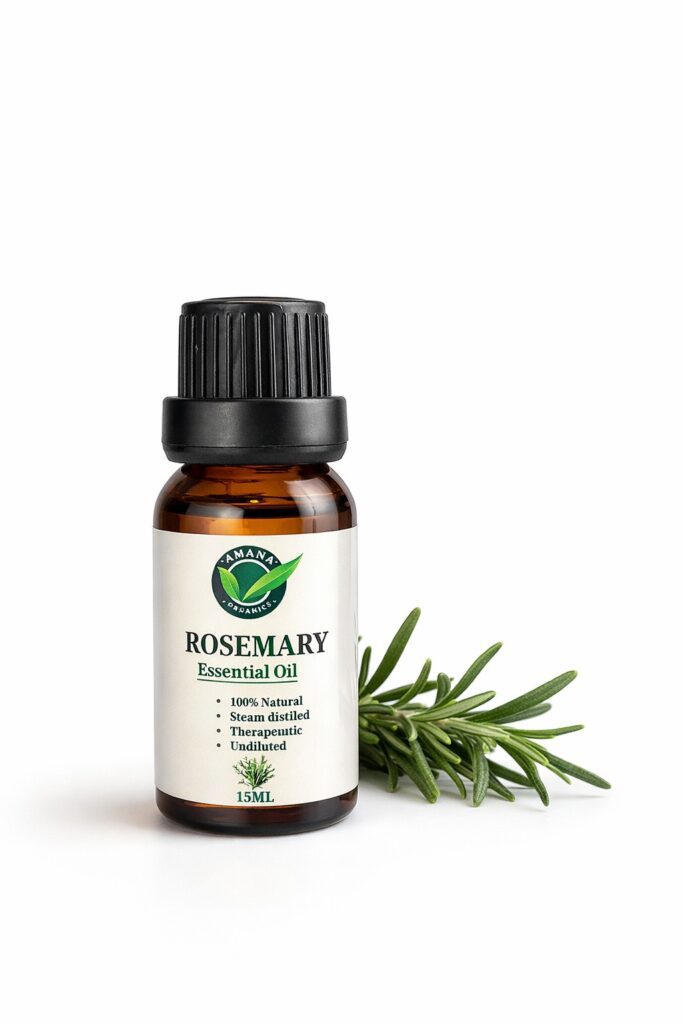
Rosemary essential oil has a distinctive fresh, herbaceous aroma and is particularly popular in haircare and scalp-care formulations.

Hair and Scalp Care

Rosemary essential oil is commonly incorporated into hair oils, scalp products and massage blends.

When using it for scalp care, dilute it with a suitable carrier oil before application.

Rather than applying concentrated essential oil directly to your scalp, use a properly formulated or diluted product.

Aromatherapy

Its fresh herbal aroma also makes rosemary popular in aromatherapy and personal-care routines.

If you enjoy refreshing, herbaceous scents, rosemary can be a useful addition to your essential-oil collection.

Explore Amana Organics Rosemary Essential Oil for use in appropriately diluted haircare, scalp-care and aromatherapy applications.

Peppermint Essential Oil
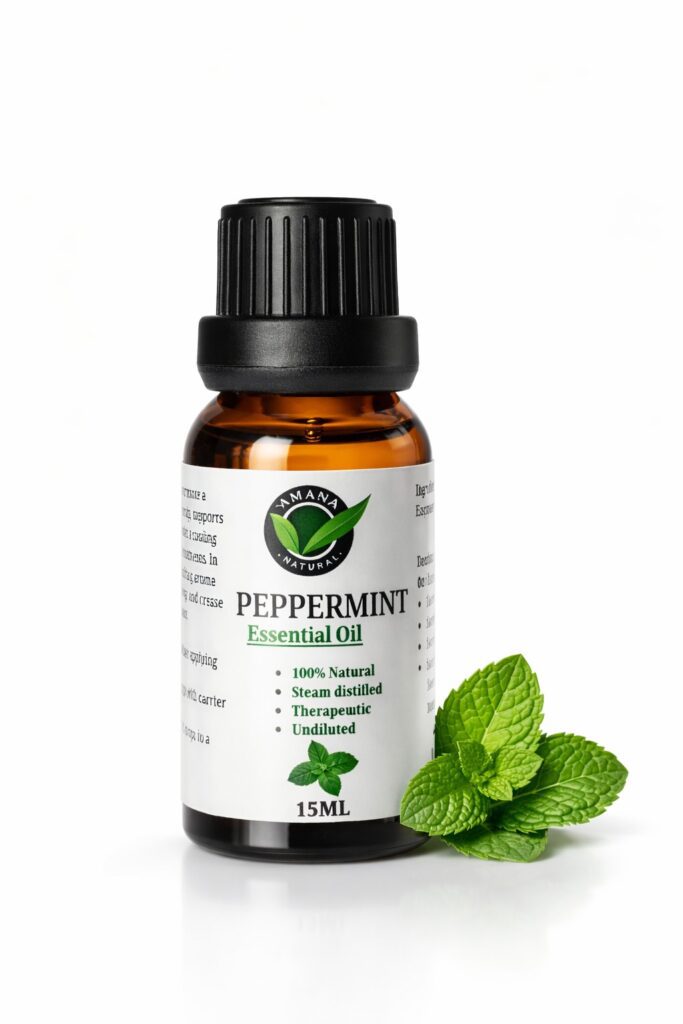
Peppermint essential oil is known for its strong, fresh and cooling aroma.

The cooling sensation is largely associated with menthol, one of peppermint oil’s characteristic compounds.

Cooling Sensation

When appropriately diluted and used in suitable formulations, peppermint can provide a refreshing sensation on the skin.

Because peppermint oil can cause irritation in some people, concentrated application should be avoided.

Aromatherapy

Peppermint’s fresh aroma makes it popular for aromatherapy and refreshing personal-care routines.

Research on peppermint oil has investigated several applications, but evidence is not sufficient to support every claim made about the oil.

Scalp Care

Peppermint is also commonly used in hair and scalp products because of its refreshing aroma and cooling sensation.

Always dilute essential oils before topical application and avoid the eyes and other sensitive areas.

Discover Amana Organics Peppermint Essential Oil for properly diluted personal-care and aromatherapy applications.

Tea Tree Essential Oil

Tea tree essential oil is obtained from the leaves of the tea tree, Melaleuca alternifolia, primarily through steam distillation.

It has a distinctive fresh, medicinal and herbaceous aroma.

Skin Cleansing

Tea tree oil is commonly incorporated into skincare products intended for cleansing and oily-skin routines.

Some research suggests that topical tea tree oil may help with acne, although the evidence is limited and more research is needed.

Oily and Acne-Prone Skin Routines

Some people choose diluted tea tree oil as part of an oily or blemish-prone skincare routine.

However, tea tree oil can cause redness, irritation, burning or dryness in some individuals. It should never be swallowed.

Shop Amana Organics Tea Tree Essential Oil for appropriately diluted skincare and personal-care applications.

Lemongrass Essential Oil

Lemongrass essential oil has a bright, fresh and citrus-like aroma.

Aromatherapy

Its refreshing scent makes lemongrass popular in aromatherapy, home fragrance and personal-care products.

It can be incorporated into diffuser blends or other appropriate aromatherapy applications.

Personal-Care Applications

Lemongrass essential oil is also used as a fragrance ingredient in soaps, body products, massage blends and other cosmetic formulations.

Because essential oils are concentrated, topical use should always involve appropriate dilution.

Cinnamon Essential Oil

Cinnamon essential oil has a warm, spicy and distinctive aroma.

Aromatic Use

It can be used in suitable aromatherapy and fragrance applications, particularly when combined with other complementary aromatic oils.

Important Dilution Precautions

Cinnamon essential oil deserves particular caution when used topically because it can be irritating to the skin.

It should not be treated like a regular body oil and applied directly to the skin.

Always use a properly diluted formulation and follow the recommended usage instructions for the specific product.

How to Use Essential Oils Safely

Essential oils are concentrated substances. Natural does not automatically mean risk-free.

The safest approach is to understand the specific oil, intended application and appropriate concentration before using it.

Dilute Essential Oils Before Topical Use

Most essential oils should be diluted with a suitable carrier oil before being applied to the skin.

Common carrier oils include:

  • Coconut oil
  • Jojoba oil
  • Sweet almond oil
  • Avocado oil
  • Sesame oil
  • Grapeseed oil

The appropriate dilution depends on the essential oil, intended use, age of the user and individual circumstances.

For commercial products, always follow the manufacturer’s recommended usage instructions.

Patch Test New Topical Products

If you are trying a new essential-oil-containing product, consider testing a small amount on a limited area of skin first.

Stop using the product if you experience significant redness, burning, itching, swelling or other signs of irritation.

Essential oils can cause allergic reactions or skin irritation in some people.

Avoid the Eyes and Sensitive Areas

Do not allow concentrated essential oils to come into contact with the eyes.

Avoid applying them to broken, irritated or damaged skin unless the product has specifically been formulated for that purpose.

Keep Essential Oils Away From Children

Essential oils should be stored safely away from children.

Some essential oils can cause serious problems if swallowed. Tea tree oil, for example, should not be swallowed.

Peppermint oil also requires particular caution around infants and young children because menthol can cause serious breathing-related effects when inhaled by very young children.

Store Essential Oils Properly

Keep essential oils:

  • Tightly closed
  • Away from direct sunlight
  • Away from excessive heat
  • In their original containers
  • Out of reach of children and pets

Exposure to heat, light and air can affect some oils over time. Oxidized tea tree oil, for example, may be more likely to cause allergic reactions.

Pregnancy, Breastfeeding and Medical Conditions

People who are pregnant, breastfeeding, taking medication or managing a medical condition should exercise additional caution.

Safety can vary considerably depending on the essential oil and method of use. If you are unsure whether a particular essential oil is appropriate for you, speak with a qualified healthcare professional before use.

Essential Oils vs Carrier Oils: What’s the Difference?

This is an important distinction.

Essential oils are highly concentrated aromatic extracts from plants. They are primarily used for their aroma and as ingredients in appropriately formulated cosmetic and aromatherapy products.

Carrier oils are vegetable oils used to dilute essential oils and help spread them over the skin.

Examples of carrier oils include coconut oil, jojoba oil, avocado oil, sesame oil and sweet almond oil.

For example, lavender essential oil can be combined with a carrier oil at an appropriate dilution for a massage or personal-care application.

How to Choose the Right Essential Oil

With so many essential oils available, choosing one can feel overwhelming.

Start by asking yourself what you want to use it for.

For a Floral Aroma

Consider:

  • Lavender
  • Ylang-ylang
  • Geranium

For a Fresh, Minty Aroma

Consider:

  • Peppermint

For a Fresh Herbal Aroma

Consider:

  • Rosemary
  • Tea tree

For a Fresh Citrus-Like Aroma

Consider:

  • Lemongrass
  • Appropriate citrus essential oils

For a Warm, Spicy Aroma

Consider:

  • Cinnamon

Most importantly, choose an essential oil from a reputable supplier and check the product label for the botanical name, intended use and usage instructions.

Why Choose Amana Organics Essential Oils?

At Amana Organics, we believe natural personal care should combine quality, transparency and responsible use.

Our range of essential oils is designed for customers looking for aromatic oils for personal-care, cosmetic and aromatherapy applications.

Whether you’re looking for lavender essential oil in Kenya, rosemary essential oil for haircare, peppermint essential oil for a refreshing aroma or tea tree essential oil for a skincare routine, choose products that are clearly labelled and accompanied by appropriate usage information.

Explore the Amana Organics range of essential oils and discover oils that fit naturally into your personal-care routine.

Frequently Asked Questions About Essential Oils

Are essential oils safe to use on the skin?

They can be used topically when the specific oil is appropriate and is correctly diluted and formulated. However, some essential oils can cause irritation or allergic reactions. Undiluted application is generally not recommended.

Can essential oils be used directly on the skin?

Generally, essential oils should not be applied directly to the skin in their concentrated form. They are highly concentrated and can cause irritation. Dilution with an appropriate carrier oil or use in a properly formulated cosmetic product is a safer approach.

What is the difference between essential oil and carrier oil?

Essential oils are concentrated aromatic plant extracts. Carrier oils are vegetable oils used to dilute essential oils and help spread them over the skin.

Which essential oil is good for hair care?

Rosemary and peppermint are commonly used in hair and scalp-care formulations. However, essential oils should be appropriately diluted, and individual tolerance can vary.

How do you dilute essential oils?

Essential oils are diluted by mixing an appropriate amount with a carrier oil or incorporating them into a properly formulated cosmetic product. The correct concentration depends on the particular essential oil and intended use.

Can I use essential oils every day?

Daily use depends on the specific essential oil, concentration and application method. Follow the manufacturer’s directions and avoid excessive or undiluted topical use.

Can essential oils be used during pregnancy?

Safety varies by oil and method of use, and information is limited for some oils. If you are pregnant or breastfeeding, consult a qualified healthcare professional before using essential oils, particularly for topical or internal use.

Can I ingest essential oils?

Do not assume that an essential oil is safe to swallow simply because it is natural. Some essential oils can be toxic when swallowed. Tea tree oil, for example, should not be ingested.

Where can I buy essential oils in Kenya?

You can find essential oils from natural skincare and wellness suppliers in Kenya. When choosing an essential oil, look for clear labelling, the botanical name, intended use and appropriate safety instructions.

Amana Organics offers a selection of essential oils for customers in Kenya looking for quality ingredients for personal-care, cosmetic and aromatherapy applications.

Final Thoughts

Essential oils are concentrated botanical extracts that can bring beautiful natural aromas to skincare, haircare, massage and aromatherapy routines.

Lavender can provide a gentle floral aroma, rosemary and peppermint are popular in hair and scalp-care products, tea tree is commonly incorporated into skincare products, while lemongrass and cinnamon offer distinctive aromatic experiences.

However, essential oils should always be treated with care. They are concentrated ingredients, and natural does not automatically mean completely safe.

Choose the right oil for your intended purpose, dilute appropriately for topical use, follow product instructions and seek professional advice when you are unsure.

For quality essential oils in Kenya, explore the Amana Organics collection and find the oils that fit your natural personal-care routine.

Call to Action (CTA)

Ready to explore the world of pure essential oils?

Discover Amana Organics’ collection of high-quality essential oils, including Lavender, Rosemary, Peppermint, Tea Tree, Lemongrass and Cinnamon Essential Oils, carefully selected for aromatherapy, skincare, haircare and personal-care applications.

Whether you are creating a relaxing self-care routine, formulating natural beauty products or looking for aromatic oils for your home, Amana Organics offers natural essential oils to suit your needs.

Shop Essential Oils Today: www.amanaorganicskenya.com

Need help choosing the right essential oil? Contact us on 0725 560 565 for personalized assistance.

Explore our range and experience the beauty of nature through quality essential oils from Amana Organics.
benefits of african black soap

African Black Soap Benefits: Uses for Skin & Hair

African Black Soap Benefits: The Complete Guide to Healthier Skin & Hair Naturally

Natural skincare has stood the test of time, and few products have earned a reputation as impressive as African Black Soap. For centuries, this traditional West African cleanser has been used to cleanse, nourish, and protect the skin using simple, plant-based ingredients. Today, African black soap is loved worldwide for its ability to support healthy-looking skin, cleanse the scalp, and promote naturally beautiful hair.

Whether you’re struggling with acne, oily skin, uneven skin tone, dandruff, or simply looking for a gentle natural cleanser, African black soap deserves a place in your daily routine.

In this comprehensive guide, you’ll learn everything you need to know about African black soap benefits, including how it’s made, how it works, its uses for skin and hair, and tips for choosing the highest-quality soap.

What Is African Black Soap?

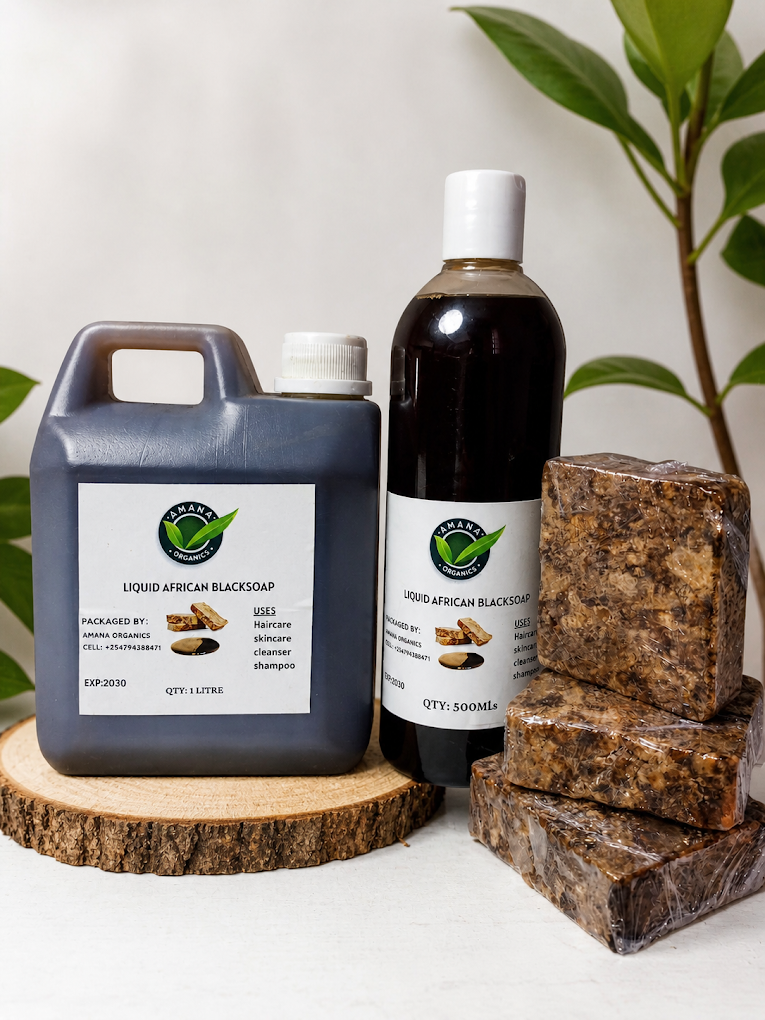
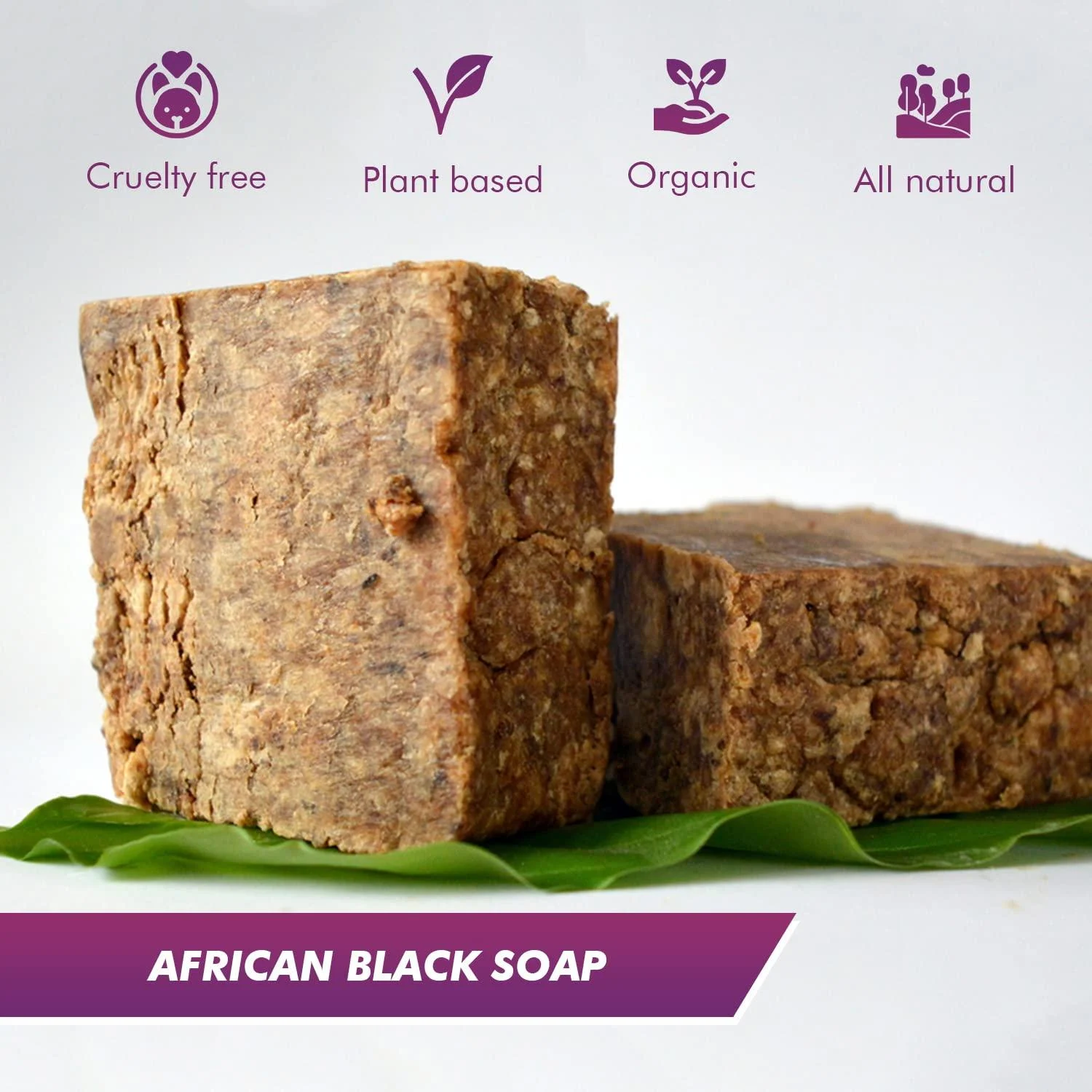
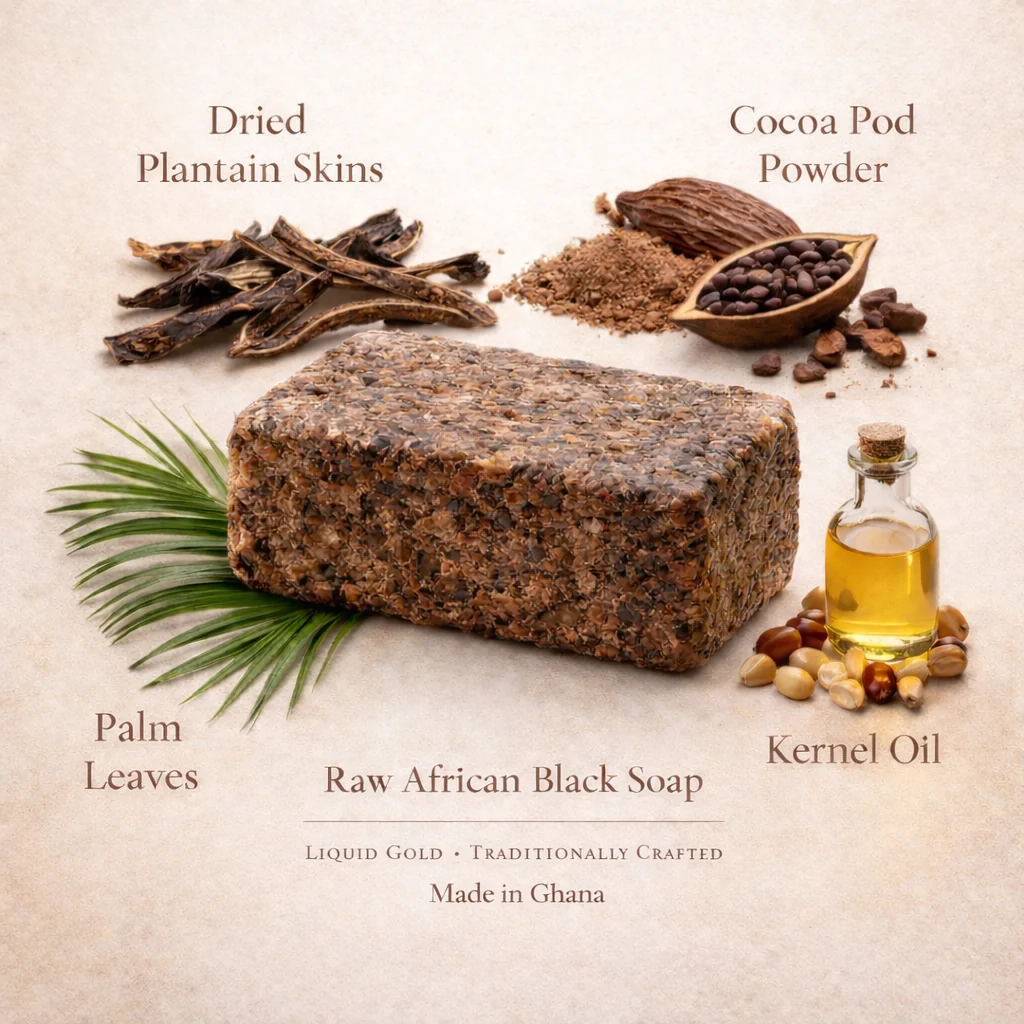
African Black Soap, also known as Anago Soap, Alata Samina, or Ose Dudu, is a traditional handcrafted soap originating from West Africa, particularly Ghana and Nigeria.

Unlike commercial soaps that often contain synthetic detergents, African black soap is made using naturally derived ingredients such as plantain skins, cocoa pod ash, palm kernel oil, shea butter, coconut oil, and other nourishing botanical oils. The ash provides the soap with its natural cleansing properties, while the oils help moisturize and condition the skin.

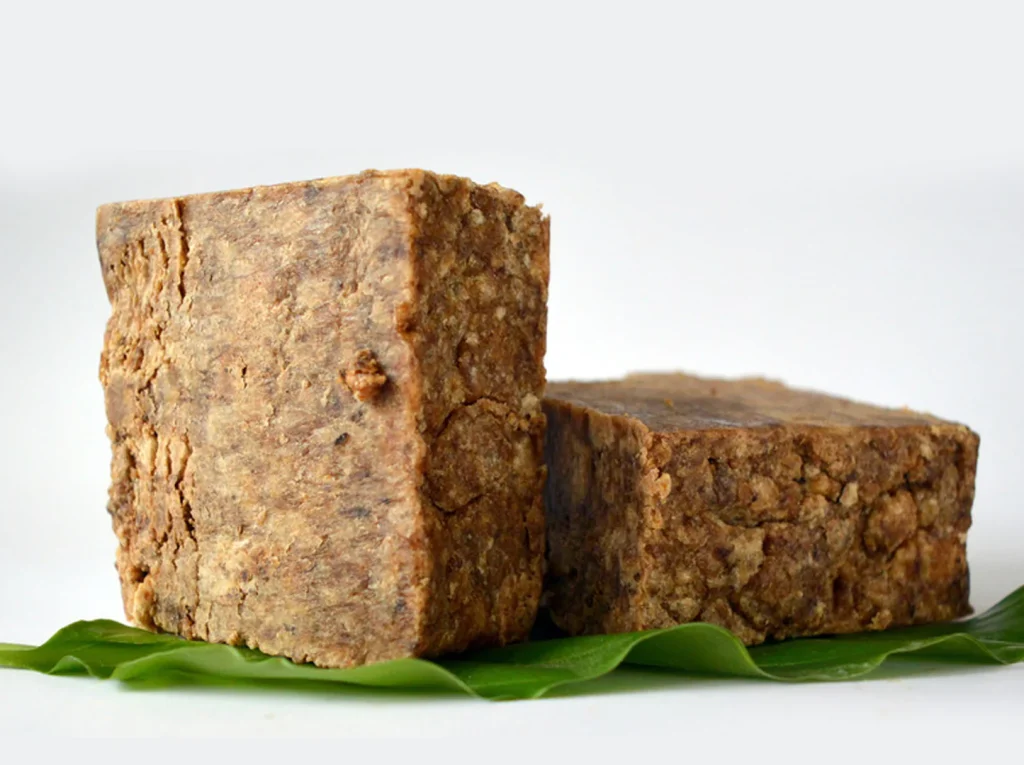
Each batch is handcrafted, making every bar unique in texture and appearance. Authentic African black soap is typically brown to dark brown and has an earthy, natural scent.

Learn more: For additional information on the history and traditional production of African Black Soap, visit the Wikipedia article on African Black Soap: https://en.wikipedia.org/wiki/African_black_soap

Traditional Ingredients in African Black Soap

The exact recipe varies by region and artisan, but authentic African black soap commonly contains:

  • Plantain skin ash
  • Cocoa pod ash
  • Palm kernel oil
  • Coconut oil
  • Shea butter
  • Water
  • Natural botanical oils

These ingredients work together to create a gentle cleanser that effectively removes dirt, excess oil, and impurities while helping maintain the skin’s natural moisture barrier.

African Black Soap Benefits for Skin

1. Deeply Cleanses the Skin

One of the greatest African black soap benefits is its ability to deeply cleanse without harsh synthetic detergents. It helps remove dirt, excess oil, sunscreen, makeup residue, and environmental pollutants, leaving the skin feeling clean and refreshed.

2. Helps Control Excess Oil

People with oily and combination skin often appreciate African black soap because it helps remove excess sebum without leaving the skin feeling overly stripped. This balanced cleansing action can reduce shine while supporting healthier-looking skin.

3. Supports Acne-Prone Skin

African black soap is a popular choice for individuals with acne-prone skin because it helps cleanse pores and reduce the buildup of oil and impurities that contribute to blemishes. While it is not a medical treatment for acne, it can be a valuable addition to a skincare routine.

4. Gently Exfoliates

The natural ash found in traditional African black soap provides mild exfoliation, helping remove dead skin cells and revealing a smoother, brighter complexion.

Regular use can improve skin texture and promote a healthy glow.

5. Helps Improve the Appearance of Uneven Skin Tone

By promoting regular exfoliation and cleansing, African black soap may help reduce the appearance of dullness and uneven-looking skin over time, resulting in a brighter and more radiant complexion.

6. Supports Dry and Sensitive Skin

When formulated with nourishing oils such as shea butter and coconut oil, African black soap cleanses while helping maintain moisture. People with dry or sensitive skin should follow cleansing with a moisturizer to keep the skin hydrated.

7. Helps Soothe Skin Prone to Irritation

Many people use African black soap as part of their skincare routine for skin that is prone to irritation or occasional redness. Its simple ingredient list and absence of artificial fragrances make it appealing for those seeking gentle cleansing.

8. Cleanses Without Harsh Chemicals

Authentic African black soap is typically free from:

  • Sulfates
  • Artificial fragrances
  • Parabens
  • Synthetic colorants

This makes it a popular choice among consumers looking for cleaner beauty products.

9. Suitable for Daily Facial Cleansing

Depending on your skin type, African black soap can be used once or twice daily. If you have dry or sensitive skin, you may prefer to use it once a day or every other day.

10. Supports Healthy-Looking Skin

Consistent use, combined with a balanced skincare routine, can help maintain clean, refreshed, and naturally healthy-looking skin.

African Black Soap Benefits for Hair

African black soap is not just for the skin—it can also be used to cleanse the scalp and hair.

Cleanses the Scalp

African black soap effectively removes dirt, sweat, excess oil, and product buildup from the scalp, leaving it feeling refreshed and clean.

Helps Reduce Product Buildup

Styling products, oils, and conditioners can accumulate on the scalp over time. African black soap provides a clarifying cleanse that helps remove residue without relying on harsh detergents.

Supports a Healthy Scalp

A clean scalp creates an environment that supports healthy hair. Regular cleansing can help maintain scalp hygiene and reduce the accumulation of impurities.

Helps Manage Oily Hair

People with oily scalps often find African black soap helpful because it gently removes excess oil while maintaining the scalp’s natural balance.

Leaves Hair Feeling Fresh

Many users report that their hair feels lighter, cleaner, and refreshed after washing with African black soap.

Suitable for Natural Hair

African black soap is commonly used by people with curly, coily, and textured hair as part of a natural hair care routine. It helps clarify the scalp before deep conditioning.

May Help Reduce Flakes Associated with Product Buildup

By cleansing away residue and excess oil, African black soap may help reduce flakes caused by buildup. Persistent dandruff or scalp conditions should be evaluated by a healthcare professional.

Who Can Use African Black Soap?

African black soap is suitable for many skin types, including:

  • Oily skin
  • Combination skin
  • Acne-prone skin
  • Normal skin
  • Mature skin

People with very dry or sensitive skin should start by using it a few times per week and always follow with a moisturizer.

How to Use African Black Soap

As a Face Cleanser

  1. Wet your face with lukewarm water.
  2. Rub the soap between your hands to create a lather.
  3. Gently massage the lather onto your face.
  4. Avoid the eye area.
  5. Rinse thoroughly.
  6. Apply a moisturizer.

As a Body Soap

Lather the soap onto a washcloth or sponge and gently cleanse your body before rinsing.

As a Shampoo

  1. Create a lather in your hands.
  2. Massage into the scalp.
  3. Work through the hair.
  4. Rinse thoroughly.
  5. Follow with a moisturizing conditioner.

Choosing Authentic African Black Soap

Not all products labeled “African Black Soap” are authentic. Choose a soap that is:

  • Handmade
  • Made in West Africa
  • Free from synthetic detergents
  • Free from artificial fragrances
  • Rich in natural oils
  • Traditionally produced

Authentic African black soap often has an uneven texture and varies in color from light brown to deep brown.

Frequently Asked Questions

Can I use African black soap every day?

Yes. Most people can use it daily. Those with dry skin may prefer using it once daily or several times a week.

Is African black soap good for acne?

It helps cleanse the skin and reduce excess oil, making it popular for acne-prone skin. It is not a substitute for medical acne treatments.

Can African black soap be used on hair?

Yes. It works well as a clarifying cleanser for the scalp and hair, especially when followed by a moisturizing conditioner.

Does African black soap lighten skin?

African black soap does not bleach the skin. However, by gently exfoliating and cleansing, it may improve the appearance of dull or uneven-looking skin over time, resulting in a brighter, healthier-looking complexion.

Can people with sensitive skin use African black soap?

Yes, but they should perform a patch test first and moisturize after cleansing.

Final Thoughts

The remarkable African black soap benefits have made this traditional West African cleanser a favorite for people seeking natural skincare and hair care solutions. Its rich blend of plant-based ingredients provides effective cleansing while supporting healthy-looking skin and a refreshed scalp.

Whether you’re looking to reduce excess oil, cleanse acne-prone skin, clarify your scalp, or simply embrace a more natural beauty routine, authentic African black soap is a versatile addition to your daily regimen. With regular use and proper moisturizing, it can help reveal smoother, cleaner, and more radiant skin while leaving your hair feeling fresh and revitalized.

Where to Buy African Black Soap in Nairobi

If you’re in Nairobi, you can conveniently get authentic African Black Soap from trusted online and local organic skincare stores.

1. Official Brand Store (Direct Purchase)

You can order directly from Amana Organics for guaranteed authenticity and delivery within

They typically offer:

  • Home delivery across Nairobi
  • Pickup options (depending on order arrangements)
  • Bulk/wholesale options for resellers

Call to Action

Experience the authentic cleansing power of Amana Organics Premium African Black Soap. Carefully sourced and crafted using traditional African ingredients, our African Black Soap is ideal for cleansing the face and body while leaving skin feeling clean, refreshed and smooth.

Whether you’re looking for a natural African black soap in Kenya for your everyday skincare routine or a traditional cleansing bar, Amana Organics African Black Soap is a great choice.

Shop Amana Organics African Black Soap in Kenya and discover a traditional cleansing experience for your skincare routine.

african black soap benefits


bentonite clay benefits

Bentonite Clay Benefits for Skin, Hair & Oral Health Uses, Benefits & How to Use It.

Bentonite Clay Benefits: The Complete Guide to Healthier Skin, Stronger Hair & Better Oral Hygiene

Natural skincare has become increasingly popular as more people seek safe, effective ingredients free from harsh chemicals. Among the most trusted natural beauty ingredients is bentonite clay, a mineral-rich clay known for its exceptional cleansing and detoxifying properties.

Whether you’re struggling with oily skin, acne, clogged pores, itchy scalp, dandruff, or simply looking for a natural way to improve your beauty routine, bentonite clay offers impressive benefits for nearly every skin and hair type.

In this comprehensive guide, you’ll discover everything you need to know about bentonite clay benefits, including how it works, its uses for skin, hair, oral hygiene, and how to safely incorporate it into your weekly self-care routine.

What is Bentonite Clay?

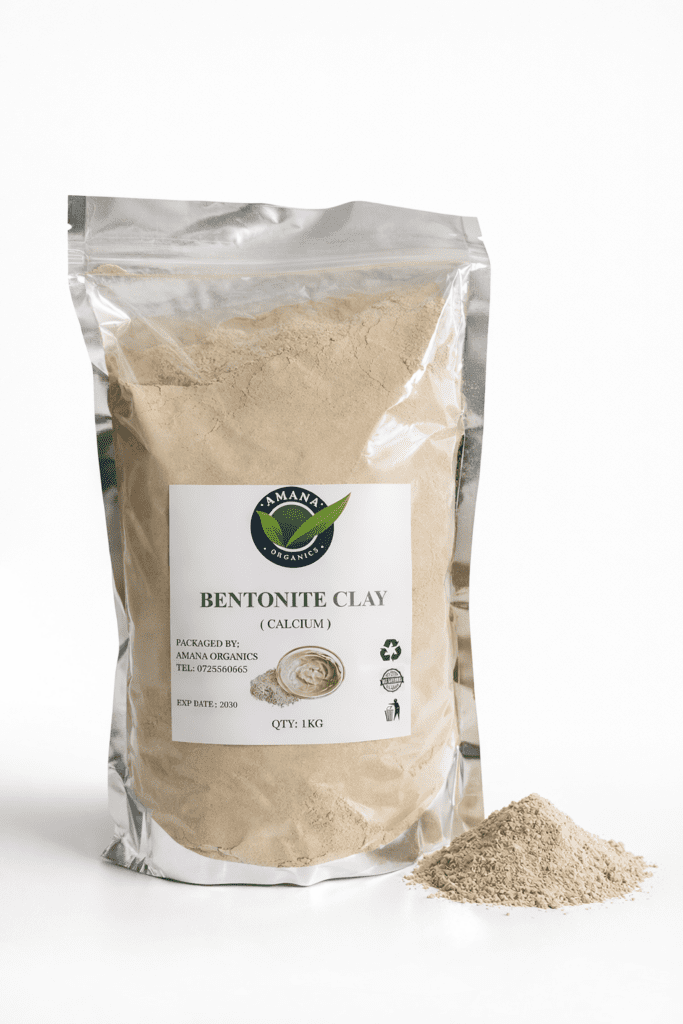
Pure calcium bentonite clay powder

Bentonite clay is a naturally occurring volcanic ash clay that forms over millions of years. It is rich in essential minerals including:

  • Calcium
  • Magnesium
  • Silica
  • Potassium
  • Iron
  • Sodium (depending on the variety)

The two most common types are:

1. Calcium Bentonite Clay

This is the most popular type for skincare, beauty, and cosmetic applications. It is gentle on the skin while offering excellent oil-absorbing and cleansing properties.

2. Sodium Bentonite Clay

Primarily used in industrial applications because it expands significantly when mixed with water.

For skincare and cosmetic use, Calcium Bentonite Clay is generally preferred because of its mild yet highly effective cleansing action.

How Does Bentonite Clay Work?

One of the reasons bentonite clay is so unique is its negative electrical charge.

When mixed with water, the clay develops an electrical charge that attracts positively charged impurities such as:

  • Dirt
  • Excess oil
  • Environmental pollutants
  • Dead skin cells
  • Product build-up
  • Certain toxins

As the mask dries, these impurities bind to the clay and are removed when rinsed away, leaving skin feeling cleaner, smoother, and refreshed.

Bentonite Clay Benefits for Skin

1. Deeply Cleanses the Skin

One of the greatest bentonite clay benefits is its ability to deeply cleanse pores.

Unlike ordinary cleansers that only remove surface dirt, bentonite clay helps lift impurities from deep inside pores.

Benefits include:

  • Cleaner pores
  • Fresher-looking skin
  • Reduced congestion
  • Healthier complexion

2. Helps Control Excess Oil

People with oily skin often struggle with shine throughout the day.

Bentonite clay naturally absorbs excess sebum without excessively stripping the skin.

Regular use may help:

  • Reduce oily appearance
  • Minimize shine
  • Improve makeup wear
  • Balance skin naturally

3. Helps Minimize the Appearance of Pores

Large pores often appear more noticeable when filled with oil and debris.

By removing these impurities, bentonite clay helps pores appear smaller and cleaner.

While it doesn’t permanently shrink pores, it can significantly improve their appearance.

4. Supports Acne-Prone Skin

Acne often develops when excess oil combines with bacteria and dead skin cells.

Using a bentonite clay face mask regularly may help:

  • Reduce excess oil
  • Unclog pores
  • Calm inflamed skin
  • Support clearer-looking skin

Although bentonite clay can be beneficial, severe acne should always be evaluated by a dermatologist.

5. Gently Exfoliates

Bentonite clay naturally removes dead skin cells while cleansing.

This gentle exfoliation helps:

  • Brighten dull skin
  • Improve texture
  • Promote smoother skin
  • Encourage natural skin renewal

6. Soothes Sensitive Skin

Many people with sensitive skin appreciate bentonite clay because it contains no artificial fragrances or harsh chemicals.

When used properly, it may help calm:

  • Temporary redness
  • Irritated skin
  • Minor inflammation
  • Skin discomfort caused by environmental exposure

7. Supports a More Even Skin Tone

Consistent use helps remove impurities and dead skin buildup that can make skin appear dull.

Many users notice:

  • Brighter complexion
  • Healthier glow
  • Improved skin texture
  • More even-looking skin tone

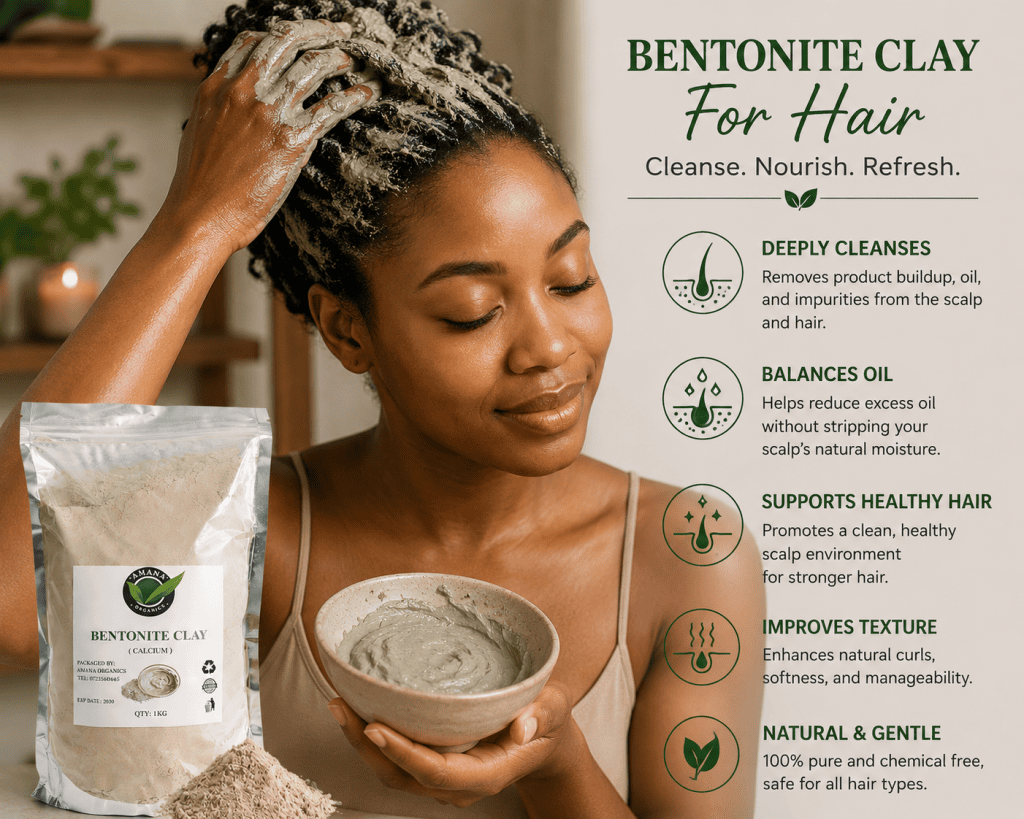
Bentonite Clay Benefits for Hair

Healthy hair starts with a healthy scalp.

Because bentonite clay removes buildup without harsh detergents, it has become increasingly popular in natural hair care.

1. Removes Product Build-Up

Hair products can accumulate over time.

Bentonite clay helps remove residue from:

  • Hair creams
  • Oils
  • Leave-in conditioners
  • Styling gels
  • Hair sprays

This leaves hair feeling lighter and cleaner.

2. Cleanses the Scalp

The scalp collects:

  • Sweat
  • Dead skin
  • Oil
  • Dust
  • Pollution

A bentonite clay hair mask helps deeply cleanse without harsh sulfates.

3. Helps Reduce Excess Oil

People with oily scalps often benefit from bentonite clay because it naturally absorbs excess oil while leaving the scalp refreshed.

4. Supports Healthy Hair Growth

While bentonite clay does not directly make hair grow faster, maintaining a cleaner scalp creates a healthier environment for normal hair growth.

Healthy follicles perform better when free from excessive buildup.

5. Improves Curl Definition

Many individuals with curly and natural hair use bentonite clay masks because they help:

  • Reduce buildup
  • Enhance curl pattern
  • Improve softness
  • Increase manageability

6. Helps Reduce Dandruff

Product buildup and excess oil can contribute to flaky scalps.

A bentonite clay treatment may help reduce flakes by cleansing away impurities and balancing scalp oils.

DIY Bentonite Clay Hair Mask

Ingredients

  • 3 tablespoons Bentonite Clay
  • Warm water or rose water
  • 1 tablespoon Aloe Vera Gel (optional)
  • 1 tablespoon Apple Cider Vinegar (optional)

Directions

  1. Mix ingredients into a smooth paste.
  2. Apply from roots to ends.
  3. Leave on for 15–20 minutes.
  4. Rinse thoroughly.
  5. Follow with conditioner.

Use every 2–4 weeks.

Bentonite Clay Benefits for Oral Hygiene

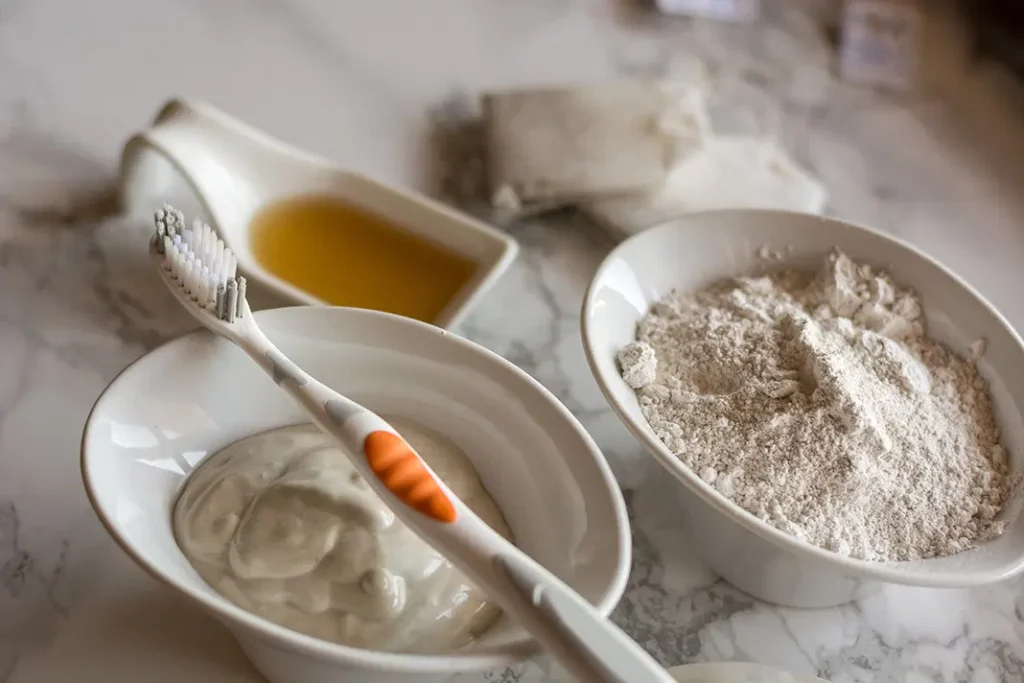
bentonite clay is commonly used in natural toothpaste formulations because it provides a gentle cleaning action while helping maintain a smooth tooth surface.

According to Truthpaste, bentonite clay is valued in natural oral care for its cleansing ability, mineral content, and role in supporting a cleaner oral environment. You can learn more in their article: “Benefits of Bentonite for Oral Health”:https://truthpaste.co.uk/blogs/behind-the-truth/benefits-of-bentonite-for-oral-health

1. Supports Cleaner Teeth

Bentonite clay is commonly included in natural tooth powders because it helps remove surface debris while being less abrasive than many commercial whitening products.. Freshens Breath

By helping remove impurities and food residue from the mouth, bentonite clay may contribute to fresher breath as part of a complete oral hygiene routine.

3. Supports Healthy Gums

Gentle cleansing around the gum line may help maintain good oral hygiene when combined with regular brushing and flossing.

4. Helps Remove Surface Stains

Tea, coffee, and certain foods can leave stains on teeth.

Natural bentonite clay tooth powders may help reduce some superficial staining over time, though they are not a substitute for professional dental treatments.

DIY Bentonite Clay Tooth Powder

Ingredients:

  • 2 tablespoons Bentonite Clay
  • 1 tablespoon Calcium Carbonate
  • Peppermint essential oil (food-grade, optional)

Use a dry toothbrush to lightly apply the powder and brush gently. Avoid using metal utensils when preparing clay mixtures.

Note: Do not swallow bentonite clay toothpaste or tooth powder. Always consult your dentist before adding new products to your oral care routine, especially if you have dental restorations or oral health conditions.

Other Popular Uses of Bentonite Clay

Bentonite clay is widely used in:

  • Face masks
  • Body masks
  • Foot masks
  • Soap making
  • Bath soaks
  • Handmade cosmetics
  • Natural deodorants
  • Body scrubs
  • Facial cleansers
  • Hair masks

Its versatility makes it a valuable ingredient for DIY skincare enthusiasts and commercial cosmetic manufacturers alike.

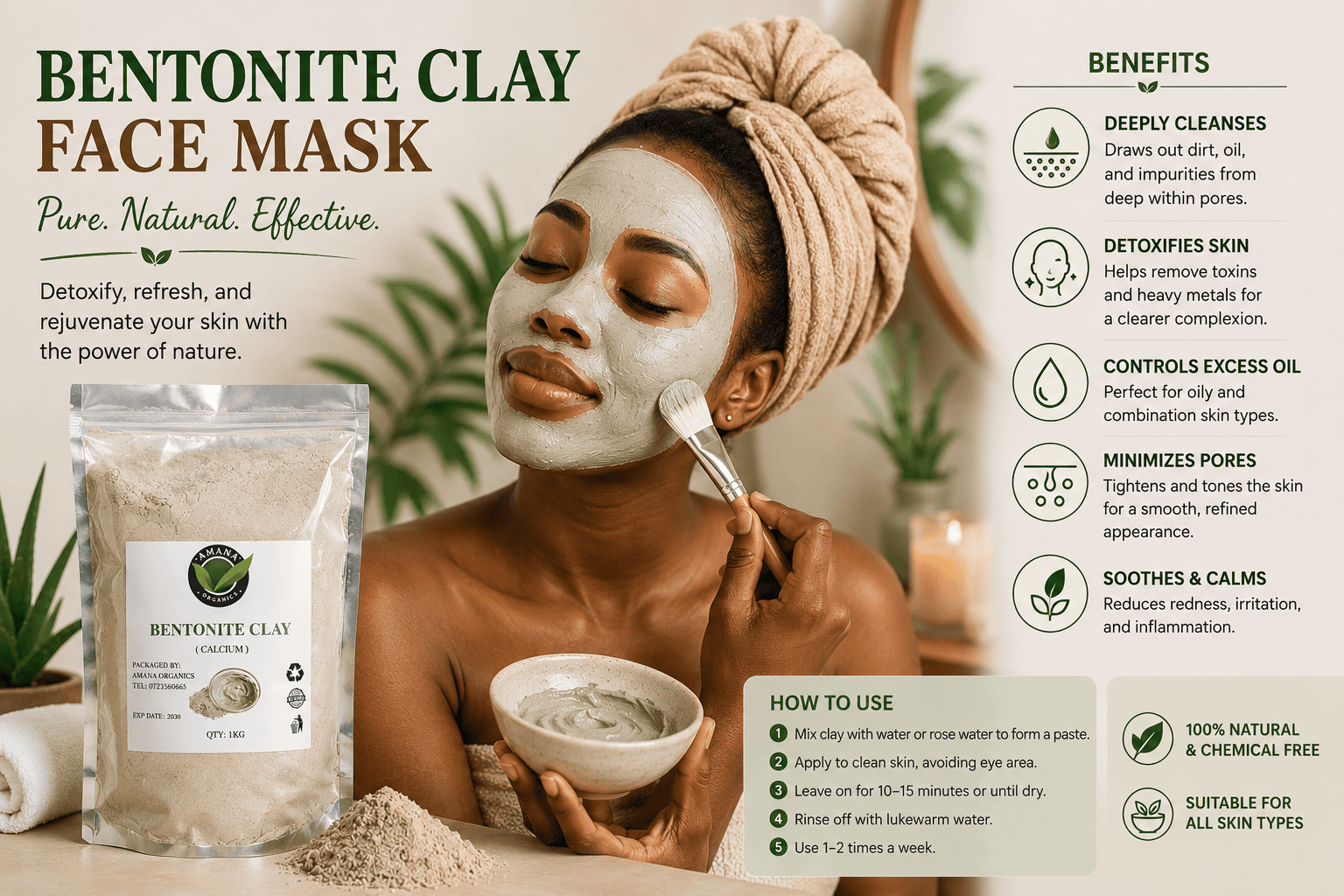
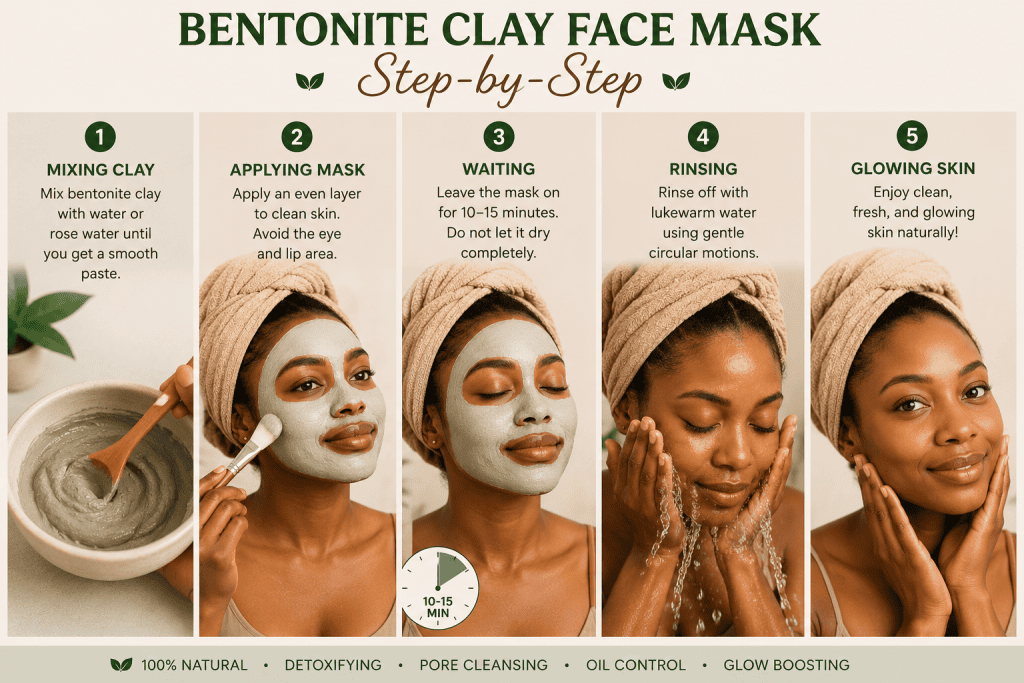
How to Make a Bentonite Clay Face Mask

How to make a bentonite clay face mask

Ingredients

  • 2 tablespoons Calcium Bentonite Clay
  • Rose water, or aloe vera juice

Instructions

  1. Mix into a smooth paste using a non-metal bowl and spoon.
  2. Apply evenly to clean skin.
  3. Avoid the eye area.
  4. Leave on for 10–15 minutes. Avoid letting the mask become overly dry if you have sensitive skin.
  5. Rinse with lukewarm water.
  6. Follow with a moisturizer.

For most skin types, use 1–2 times per week.

Is Bentonite Clay Safe?

When used externally as directed, cosmetic-grade bentonite clay is generally considered safe for most skin types.

To minimize the risk of irritation:

  • Perform a patch test before first use.
  • Do not apply to broken or infected skin.
  • Avoid contact with the eyes.
  • Moisturize after use if your skin feels dry.
  • If irritation occurs, discontinue use.

If you are considering ingesting bentonite clay, consult a qualified healthcare professional, as safety depends on the product’s intended use and purity.

Choosing High-Quality Bentonite Clay

When shopping for bentonite clay, look for products that are:

  • 100% pure
  • Cosmetic grade
  • Free from fragrances and additives
  • Finely milled for smooth application
  • Properly packaged to maintain freshness

Quality matters because pure clay provides better performance for skincare, hair care, and cosmetic formulations.

Why Choose Amana Organics Bentonite Clay?

At Amana Organics, we supply premium-quality Calcium Bentonite Clay suitable for:

  • Face masks
  • Hair masks
  • Soap making
  • DIY skincare
  • Cosmetic manufacturing
  • Natural beauty routines

Our bentonite clay is carefully packaged to help preserve its purity and performance, making it an excellent choice for individuals and businesses seeking high-quality natural ingredients

Frequently Asked Questions

Can I use bentonite clay every day?

No. Most people benefit from using a bentonite clay mask once or twice a week. Overuse may cause dryness, particularly for dry or sensitive skin.

Is bentonite clay good for dry skin?

Yes, but those with dry skin should leave the mask on for a shorter time and follow with a nourishing moisturizer.

Can bentonite clay help with dandruff?

It may help reduce dandruff associated with excess oil and product buildup by cleansing the scalp. Persistent dandruff should be evaluated by a healthcare professional.

Can I mix bentonite clay with rose water?

Yes. Rose water is a popular choice that can provide a soothing, refreshing feel while creating a smooth paste.

Can bentonite clay be used in soap making?

Absolutely. Bentonite clay is commonly added to handmade soaps to improve slip, provide a silky feel, enhance cleansing, and create a natural color.

Final Thoughts

The growing popularity of bentonite clay benefits is well deserved. From deeply cleansing the skin and balancing excess oil to refreshing the scalp and supporting natural oral hygiene, calcium bentonite clay is one of nature’s most versatile beauty ingredients.

Whether you’re creating a spa-worthy face mask, a clarifying hair treatment, a handcrafted soap, or exploring natural oral care, bentonite clay offers a simple yet effective way to enhance your self-care routine. By choosing a high-quality, cosmetic-grade product and using it correctly, you can enjoy cleaner skin, healthier-looking hair, and a naturally refreshed feeling—all with the power of a single mineral-rich ingredient.

Call to Action

Transform your skincare routine with the natural power of Amana Organics Premium Calcium Bentonite Clay. Our 100% pure, cosmetic-grade clay is perfect for face masks, hair treatments, soap making, and a wide range of DIY skincare products. Whether you’re creating products for personal use or commercial production, you can count on premium quality and consistent results.

Shop Amana Organics Bentonite Clay today and discover the difference that pure, natural ingredients can make.

Product Link:
https://www.amanaorganicskenya.com/product/bentonite-clay-powder/

Amana Organics Premium Calcium Bentonite Clay Powder
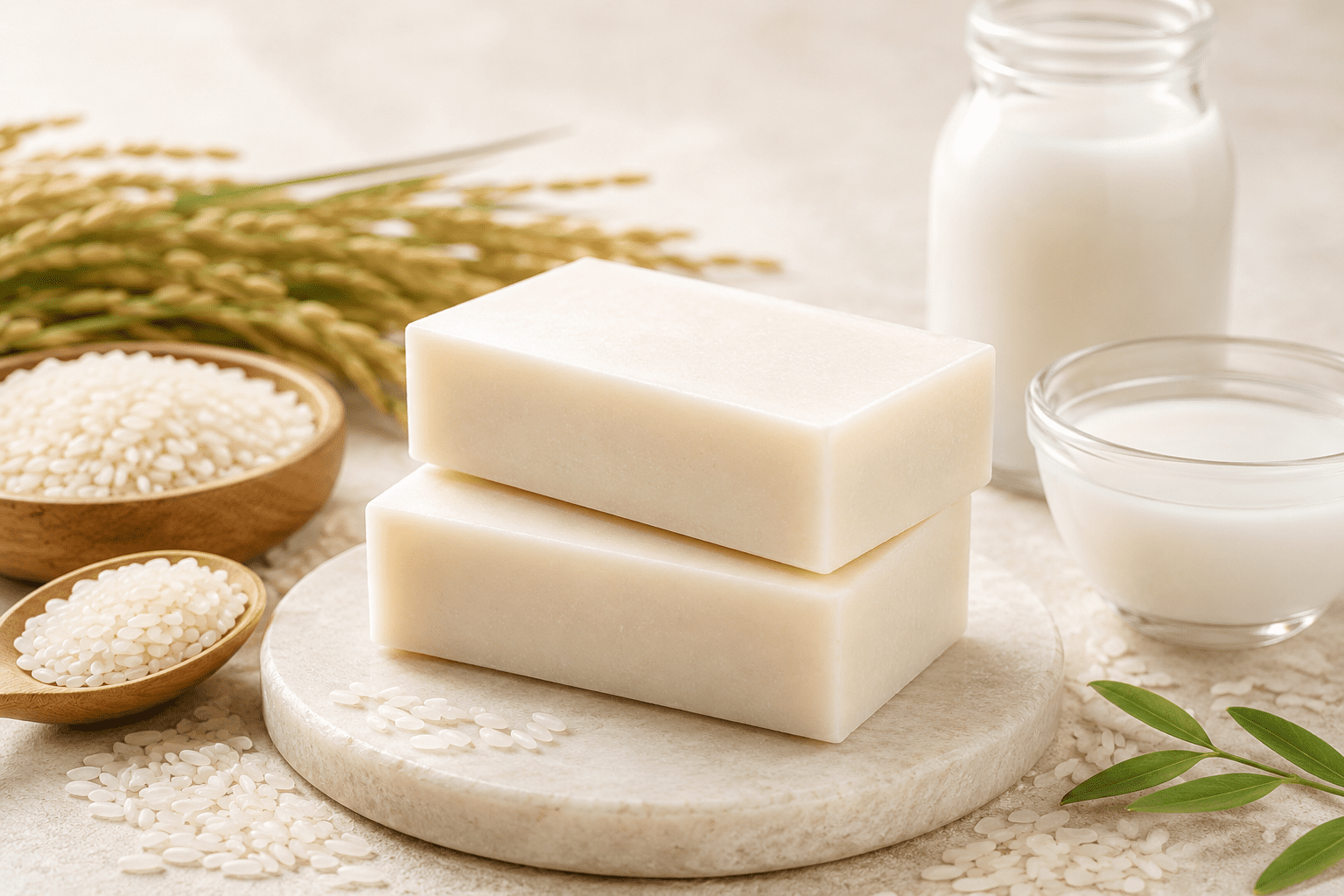
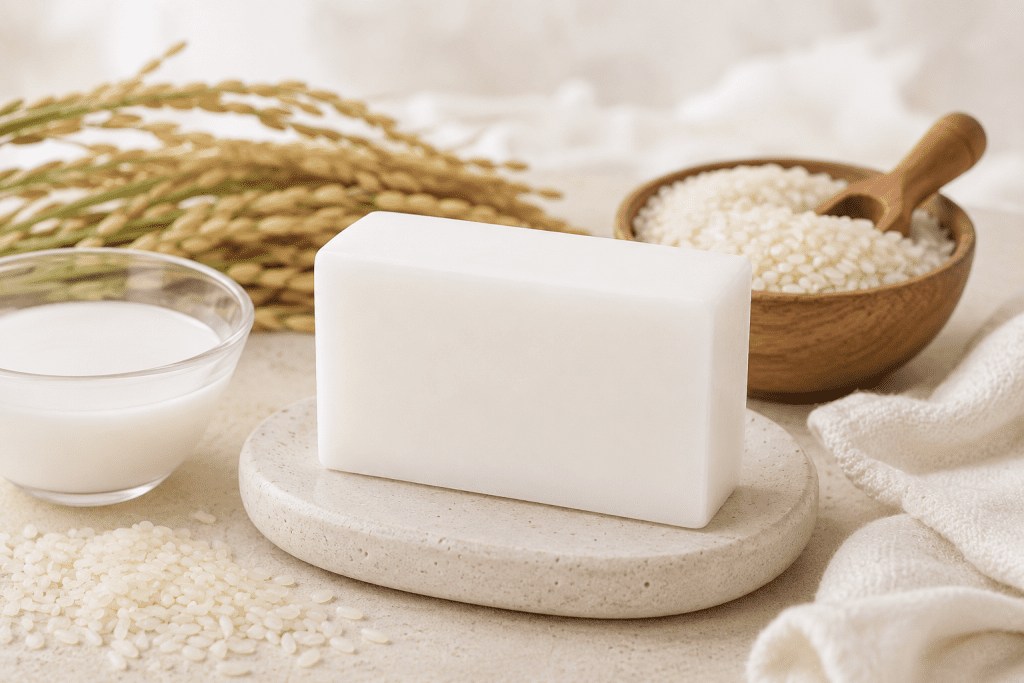
rice milk soap benefits

Rice Milk Soap Benefits for Glowing Skin: A Complete Guide

Rice Milk Soap Benefits: The Natural Secret to Brighter, Healthier Skin

In recent years, natural skincare products have gained significant popularity as more people seek gentle, Natural and effective alternatives to harsh chemical-based products. Among these natural skincare solutions, Rice Milk Soap has emerged as a favorite for those seeking smoother, brighter, and healthier-looking skin.

Rice has been used for centuries in Asian beauty traditions, particularly in countries such as Japan, Korea, and China. Women have long relied on rice water and rice milk to maintain youthful, radiant skin. Today, rice milk soap brings these traditional beauty secrets into a convenient skincare product suitable for daily use.

Whether you are struggling with dull skin, uneven skin tone, dryness, or simply looking for a natural cleansing soap, rice milk soap offers numerous benefits that make it worth adding to your skincare routine.

What Is Rice Milk Soap?

Rice milk soap is a skincare product formulated using rice milk or rice extracts combined with nourishing oils and moisturizing ingredients. It gently cleanses the skin while providing essential nutrients that help improve overall skin appearance.

Unlike many commercial soaps that can strip the skin of its natural moisture, rice milk soap is known for its mild cleansing properties and skin-conditioning benefits. It is suitable for many skin types, including sensitive skin.

The natural vitamins, antioxidants, amino acids, and minerals found in rice milk help support healthy skin while promoting a brighter and more even complexion.

Key Ingredients Found in Rice Milk Soap

The exact formulation may vary between brands, but quality rice milk soap often contains the following ingredients:

1. Rice Milk

Rice milk is rich in:

  • Vitamin B
  • Vitamin E
  • Amino acids
  • Antioxidants
  • Minerals

These nutrients help nourish the skin while improving its texture and appearance.

2. Coconut Oil

Coconut oil helps create a rich lather while moisturizing the skin. It also helps support the skin’s natural protective barrier.

3. Shea Butter

Shea butter provides deep hydration and helps soften rough, dry skin.

4. Glycerin

Glycerin is a powerful humectant that attracts moisture to the skin, helping keep it hydrated throughout the day.

5. Natural Plant Oils

Many rice milk soaps include oils such as olive oil, sunflower oil, or castor oil, which contribute additional moisturizing and skin-conditioning properties.

Top Rice Milk Soap Benefits

1. Helps Brighten the Skin

One of the most popular rice milk soap benefits is its ability to promote a brighter-looking complexion.

Rice contains natural compounds that help improve the appearance of dull skin. With consistent use, many users notice a more radiant and refreshed look.

2. Supports Even Skin Tone

Environmental factors, sun exposure, and previous acne breakouts can contribute to uneven skin tone.

Rice milk soap may help improve the appearance of dark spots and uneven pigmentation, resulting in a more balanced complexion over time.

3. Gentle Cleansing Without Over-Drying

Many traditional soaps can leave the skin feeling tight and dry after washing.

Rice milk soap gently removes dirt, oil, and impurities while helping maintain the skin’s natural moisture levels. This makes it ideal for daily use.

4. Moisturizes and Softens the Skin

The combination of rice milk, natural oils, and moisturizing ingredients helps keep skin soft and supple.

Regular use can help reduce feelings of dryness and roughness, especially during cold or dry weather.

5. Rich in Antioxidants

Antioxidants help protect the skin from environmental stressors such as pollution and UV exposure.

Rice milk contains naturally occurring antioxidants that support healthier-looking skin and help maintain a youthful appearance.

6. Suitable for Sensitive Skin

Because rice milk soap is generally mild and gentle, it is often well tolerated by individuals with sensitive skin.

Its soothing properties make it a popular choice for people who experience irritation from harsher skincare products.

7. Helps Improve Skin Texture

Consistent use of rice milk soap may help improve the appearance of rough or uneven skin texture.

The nourishing ingredients help support smoother, softer skin that feels refreshed and revitalized.

8. Supports Healthy-Looking Skin

The vitamins and minerals found in rice milk contribute to overall skin health by helping nourish and condition the skin.

When combined with a proper skincare routine, rice milk soap can become an effective part of maintaining healthy skin.

For more information about the skin benefits of rice and rice-derived ingredients, visit the American Academy of Dermatology: American Academy of Dermatology

How to Use Rice Milk Soap

To achieve the best results, follow these simple steps:

For Face

  1. Wet your face with lukewarm water.
  2. Lather the rice milk soap between your hands.
  3. Apply the foam gently to your face using circular motions.
  4. Leave the lather on the skin for 30–60 seconds.
  5. Rinse thoroughly with clean water.
  6. Pat dry with a soft towel.
  7. Apply a moisturizer suitable for your skin type.

For Body

  1. Wet your body thoroughly.
  2. Apply the soap directly or using a washcloth.
  3. Massage gently over the skin.
  4. Pay special attention to rough areas such as elbows and knees.
  5. Rinse thoroughly.
  6. Follow with a body lotion if desired.

Tips for Getting the Best Results

To maximize the benefits of rice milk soap:

  • Use consistently every day.
  • Apply sunscreen during the daytime.
  • Stay hydrated by drinking enough water.
  • Maintain a balanced diet rich in fruits and vegetables.
  • Avoid harsh scrubs that may irritate the skin.
  • Pair with a gentle moisturizer for additional hydration.

Remember that natural skincare products typically require consistent use over several weeks before noticeable improvements become visible.

Who Can Use Rice Milk Soap?

Rice milk soap is suitable for:

Dry Skin

Its moisturizing ingredients help reduce dryness and improve skin comfort.

Oily Skin

The gentle cleansing properties help remove excess oil without over-stripping the skin.

Combination Skin

Rice milk soap helps balance different areas of the face while maintaining hydration.

Sensitive Skin

The mild formulation makes it suitable for many people with sensitive skin.

Mature Skin

Its antioxidant content helps support healthy-looking, youthful skin.

Frequently Asked Questions About Rice Milk Soap

Can Rice Milk Soap Be Used Every Day?

Yes. Rice milk soap is generally gentle enough for daily use on both the face and body.

How Long Does It Take to See Results?

Results vary depending on individual skin type and concerns. Many users begin noticing improvements within several weeks of consistent use.

Is Rice Milk Soap Suitable for Men and Women?

Absolutely. Rice milk soap can be used by anyone seeking healthier-looking skin regardless of gender.

Can It Help with Dull Skin?

Yes. One of the primary rice milk soap benefits is helping improve skin brightness and radiance.

Does Rice Milk Soap Dry Out the Skin?

Quality rice milk soap formulations are designed to cleanse while maintaining moisture, making them less drying than many conventional soaps.

Consumers are increasingly choosing natural skincare products because they often contain fewer harsh chemicals and focus on nourishing the skin using ingredients derived from nature.

Rice milk soap aligns perfectly with this trend by combining traditional beauty wisdom with modern skincare practices. Its gentle cleansing action and skin-loving nutrients make it a valuable addition to any daily skincare routine.

Conclusion

Rice milk soap is much more than an ordinary cleansing bar. Packed with vitamins, antioxidants, amino acids, and moisturizing ingredients, it offers numerous benefits for individuals seeking brighter, softer, and healthier-looking skin.

From gentle cleansing and hydration to supporting a more even skin tone and smoother texture, rice milk soap provides a natural solution for everyday skincare needs. Whether you have dry, oily, combination, or sensitive skin, incorporating rice milk soap into your routine may help you achieve the radiant complexion you desire.

Consistency is key. With regular use and proper skincare habits, rice milk soap can become an essential part of maintaining beautiful, healthy skin naturally.

Call to Action

Ready to experience the amazing benefits of rice milk soap for yourself?

Order your Rice Milk Soap today from Amana Organics Rice Milk Soap and discover why so many people are making it a staple in their daily skincare routine. Made with carefully selected ingredients, this nourishing soap helps cleanse, hydrate, and promote a brighter, healthier-looking complexion. Shop now and experience the natural beauty benefits of Rice Milk Soap for yourself.

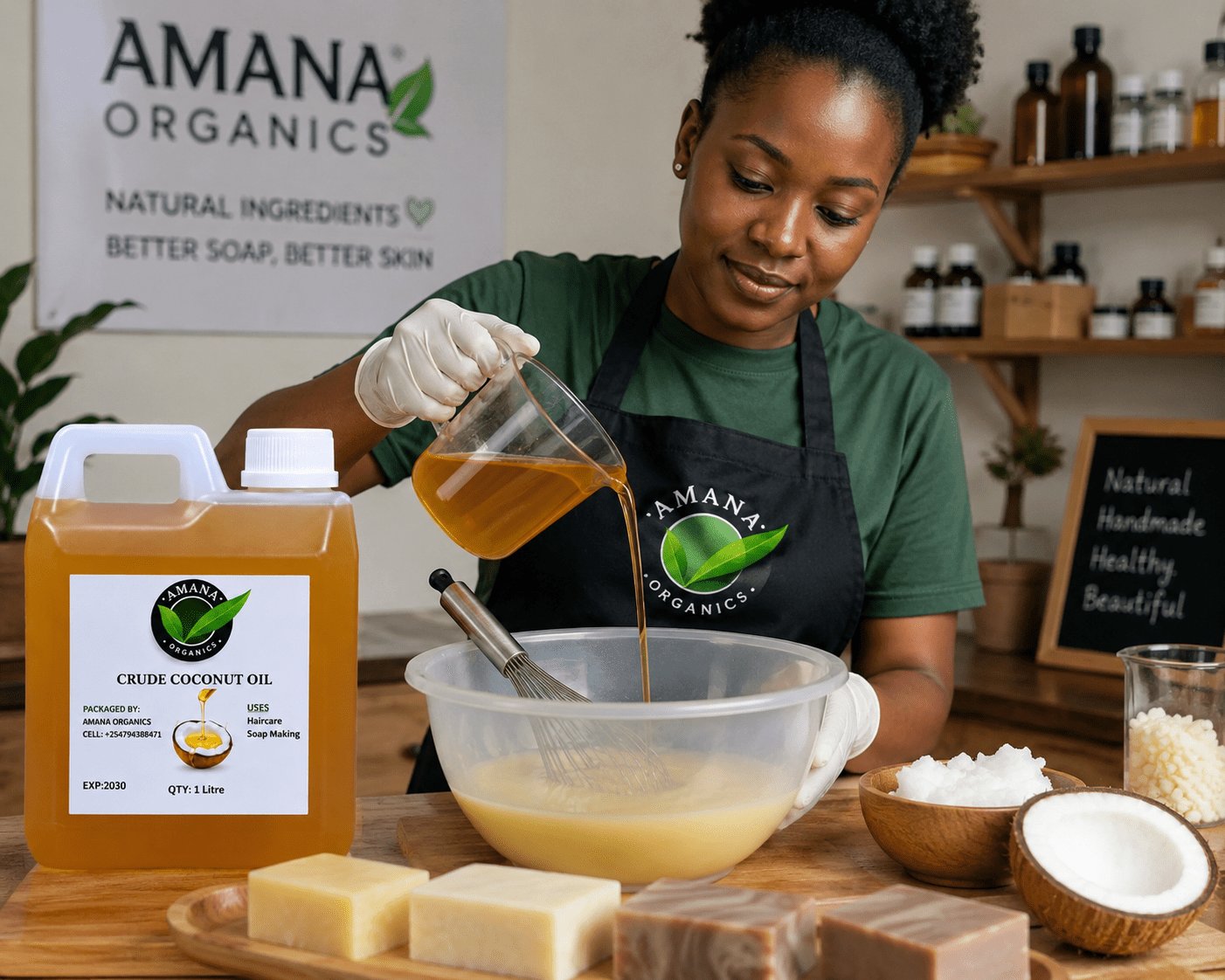
crude coconut oil in soap making

Crude Coconut Oil for Soap Making: Top 5 Amazing Benefits, Uses & Complete Guide

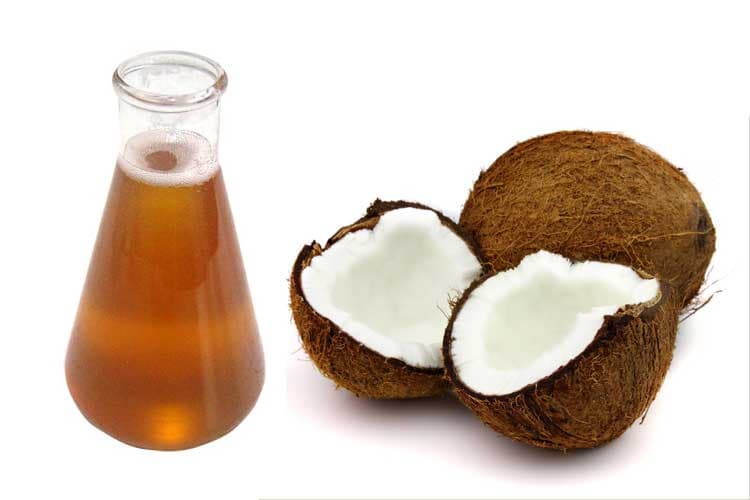
crude coconut oil for soap making, If you are into soap making—whether at home or on a small commercial scale—crude coconut oil is one of the most powerful and cost-effective ingredients you can work with. Known for its high cleansing ability, rich lather, and long shelf life, it remains a top choice for cold process and hot process soap formulations worldwide.

What is Crude Coconut Oil?

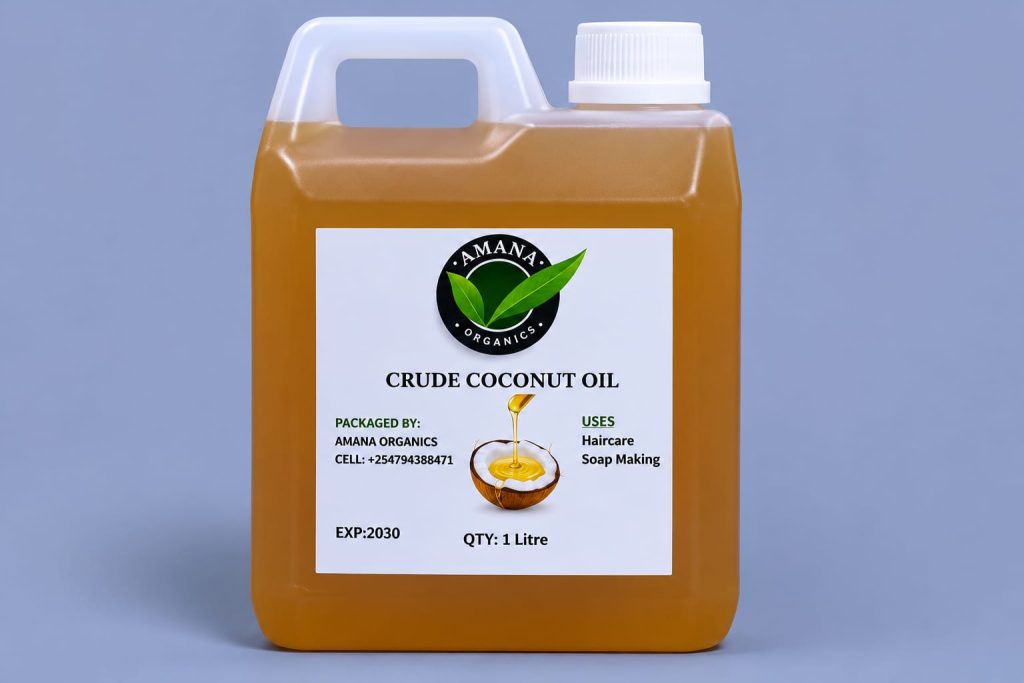
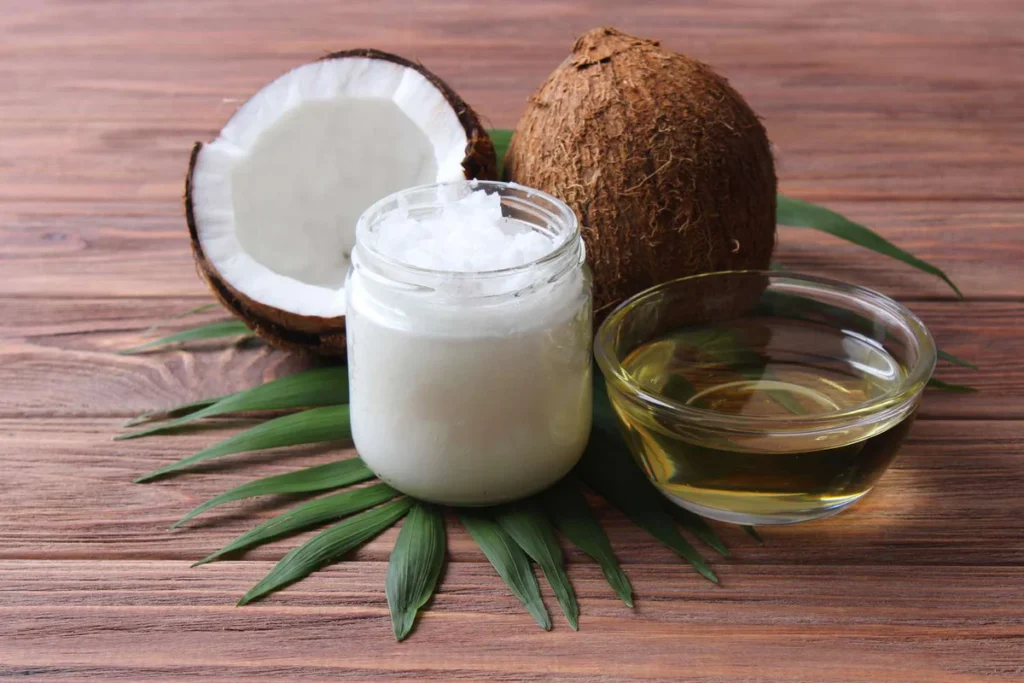
Crude coconut oil is the unrefined form of oil extracted from dried coconut meat (copra). Unlike refined coconut oil, it has not undergone extensive bleaching or deodorizing, meaning it retains:

  • A natural coconut aroma (sometimes strong or smoky depending on processing)
  • A golden-yellow to brownish tint
  • Higher levels of natural compounds and fatty acids

Because it is less processed, crude coconut oil is often cheaper and more accessible, making it ideal for soap makers looking to reduce production costs without compromising performance.

Why Use Crude Coconut Oil for Soap Making?

Coconut oil is one of the most valuable oils in soap formulation because of its unique fatty acid profile.

1. Excellent Cleansing Ability

Crude coconut oil is rich in lauric acid, which creates a strong cleansing effect. This makes it ideal for:

  • Removing oils and dirt
  • Producing hard, long-lasting bars

2. Rich, Voluminous Lather

It produces a big bubbly lather, even in hard water. This is one reason it is widely used in commercial soaps and detergents.

3. Hard Bar Formation

Soaps made with coconut oil tend to be:

  • Hard
  • Durable
  • Less prone to melting in humid climates

4. Cost-Effective for Bulk Production

In markets like Kenya, crude coconut oil is often significantly cheaper than refined oils, making it ideal for:

  • Small businesses
  • Wholesale soap production
  • Export-focused brands

Reference Insight

For more technical understanding of coconut oil behavior in soap formulation, you can refer to:
Lovin Soap Studio – Coconut Oil Properties in Soap Making

Fatty Acid Profile of Coconut Oil (Soap Perspective)

Understanding the chemistry helps you formulate better soaps:

  • Lauric Acid (45–55%) → Strong cleansing, big bubbles
  • Myristic Acid (16–20%) → Foam and hardness
  • Palmitic Acid (8–12%) → Stability and firmness
  • Caprylic/Capric Acid → Antimicrobial properties
  • Oleic Acid (small amounts) → Conditioning

This balance makes coconut oil powerful but potentially drying if overused.

How Much Crude Coconut Oil Should You Use in Soap?

This is one of the most important formulation questions.

  • 20–30% → Balanced facial/body soap (mild + cleansing)
  • 30–40% → Strong cleansing laundry or dish soap
  • 40–100% (Coconut Castile-style soap) → Very cleansing but can be drying without superfatting

Important Tip:

Always include a superfat (5–8%) when using high coconut oil percentages to avoid overly stripping soap.

How Much Crude Coconut Oil Should You Use in Soap?

This is one of the most important formulation questions.

  • 20–30% → Balanced facial/body soap (mild + cleansing)
  • 30–40% → Strong cleansing laundry or dish soap
  • 40–100% (Coconut Castile-style soap) → Very cleansing but can be drying without superfatting

Important Tip:

Always include a superfat (5–8%) when using high coconut oil percentages to avoid overly stripping soap.


Crude Coconut Oil vs Refined Coconut Oil in Soap Making

FeatureCrude Coconut OilRefined Coconut Oil
ColorYellow/brownWhite
SmellStrong coconut or smokyNeutral
PriceLowerHigher
ProcessingMinimalHighly processed
Soap qualityExcellent cleansingMore predictable
Best useCommercial/bulk soapCosmetic premium soaps

Many soap makers in Kenya prefer crude coconut oil for cost efficiency and performance balance.


How to Use Crude Coconut Oil in Cold Process Soap

Basic Steps:

  1. Measure oils accurately
    • Combine coconut oil with other oils like palm oil, olive oil, or sunflower oil
  2. Prepare lye solution
    • Always add sodium hydroxide (NaOH) to water—not the reverse
  3. Heat and melt oils
    • Crude coconut oil may need gentle warming due to impurities or solidification
  4. Mix to trace
    • Blend lye and oils until emulsified
  5. Add fragrance or additives
    • Essential oils, herbs, or colorants
  6. Pour and cure
    • Allow 24–48 hours in mold
    • Cure for 3–6 weeks for best hardness and mildness

Best Oil Combinations for Soap Making

To balance crude coconut oil, combine it with:

  • Palm oil → hardness and longevity
  • Castor oil → stable lather
  • Olive oil → moisturizing effect
  • Sunflower oil → light conditioning

Example Formula (Basic Balanced Bar):

  • 30% crude coconut oil
  • 30% palm oil
  • 25% olive oil
  • 10% sunflower oil
  • 5% castor oil

Business Opportunity: Soap Making with Coconut Oil

Crude coconut oil is especially attractive for small businesses because:

  • Low raw material cost
  • High demand for handmade soap
  • Easy scaling from home production to factory level
  • Strong margins in both retail and wholesale markets

With proper branding and packaging, coconut oil soaps can be positioned as:

  • Natural soaps
  • Antibacterial soaps
  • Organic skincare bars
  • Laundry or multipurpose cleaning bars

Final Thoughts

Crude coconut oil remains one of the most practical and powerful ingredients in soap making. Its affordability, availability, and strong cleansing properties make it ideal for both beginners and commercial soap producers.

However, the key to success lies in balance—pairing it with conditioning oils and using it at the right percentage to avoid overly drying soap.

If you are building a soap brand or scaling production, mastering coconut oil formulations can significantly improve your product quality and profit margins.

Call To Action

Looking for premium crude coconut oil for soap making that gives your soaps rich lather, strong cleansing power, and consistent quality?

At Amana Organics Kenya, we supply fresh, high-quality crude coconut oil perfect for both small-scale and commercial soap production. Our oil is carefully sourced to help you create hard bars, rich foam, and cost-effective soap formulations your customers will love.

Order now and start producing better-quality soap today:
https://www.amanaorganicskenya.com/product/crude-coconut-oil/

benefits of shea butter

Discover 10 Amazing Benefits of Shea Butter for Dry Skin

Benefits of Shea Butter for Dry Skin

Dry skin can be uncomfortable, itchy, flaky, and sometimes painful. Whether caused by harsh weather, aging, frequent washing, or naturally low moisture levels, dry skin requires nourishment that goes beyond ordinary moisturizers. One natural skincare ingredient that has stood the test of time is shea butter.

Known for its rich texture and exceptional moisturizing properties, shea butter has been used for centuries to protect and heal the skin. Today, it remains one of the most popular natural ingredients in skincare products around the world. If you’re looking for an effective solution for dry skin, understanding the benefits of shea butter for dry skin can help you achieve softer, healthier, and more radiant skin naturally.

According to experts at Cleveland Clinic, shea butter contains beneficial fatty acids, antioxidants, and vitamins that help moisturize, soothe, and support healthy skin. Its ability to nourish and protect the skin barrier makes it a valuable ingredient for people struggling with dryness and irritation.

What Is Shea Butter?

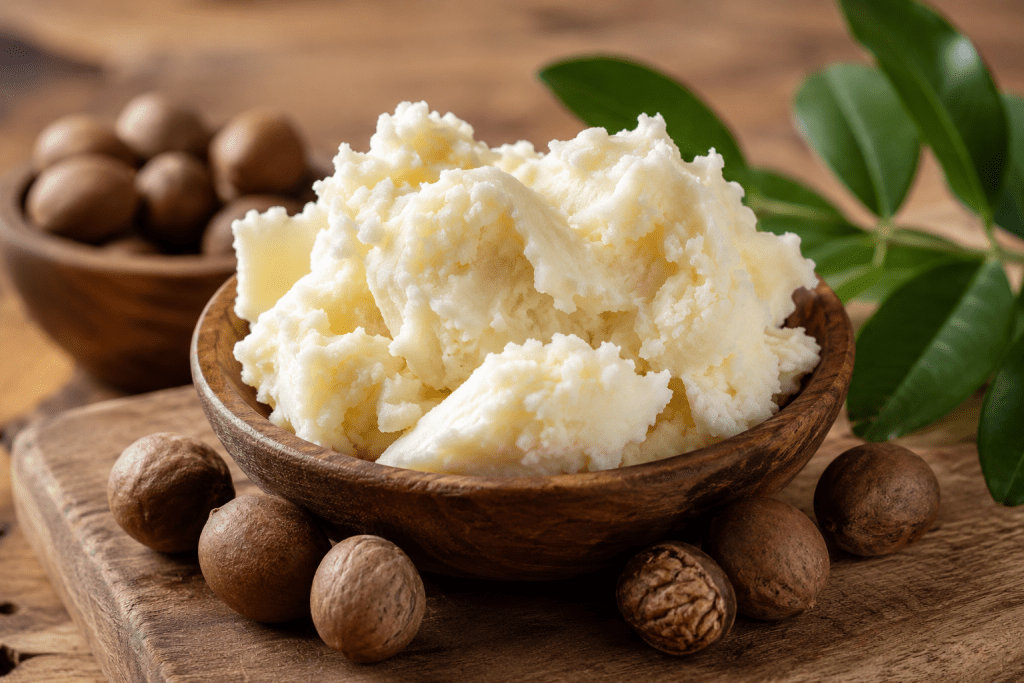
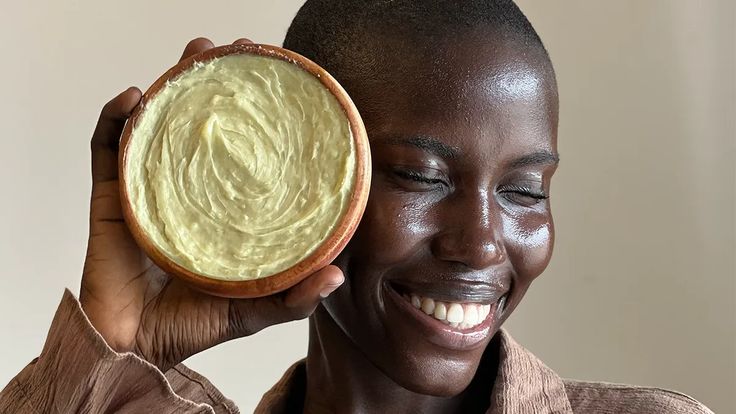
Shea butter is a natural fat extracted from the nuts of the African shea tree (Vitellaria paradoxa). After harvesting and processing the nuts, a creamy butter is produced that ranges in color from ivory to pale yellow.

Unlike many synthetic moisturizers, shea butter is packed with skin-loving nutrients, including:

  • Vitamins A, E, and F
  • Essential fatty acids
  • Antioxidants
  • Natural emollients
  • Anti-inflammatory compounds

These nutrients work together to nourish, hydrate, and protect the skin, making shea butter an excellent remedy for dryness.

raw shea butter

Why Dry Skin Needs Extra Care

Dry skin occurs when the skin’s natural moisture barrier becomes compromised. This allows moisture to escape while making it easier for irritants and environmental stressors to enter.

Common signs of dry skin include:

  • Tightness after washing
  • Flaking or peeling
  • Rough texture
  • Redness
  • Itching
  • Cracked skin

Without proper hydration and protection, dry skin can become more sensitive and prone to premature aging. This is where shea butter excels.

Top Benefits of Shea Butter for Dry Skin

1. Provides Deep and Long-Lasting Moisture

One of the biggest benefits of shea butter for dry skin is its ability to provide intense hydration.

Shea butter contains high concentrations of fatty acids, including:

  • Oleic acid
  • Stearic acid
  • Linoleic acid
  • Palmitic acid

These fatty acids help replenish lost moisture while creating a protective barrier that prevents water loss.

Unlike lotions that may evaporate quickly, shea butter penetrates deeply into the skin and provides lasting hydration. This makes it especially beneficial for extremely dry areas such as:

  • Elbows
  • Knees
  • Heels
  • Hands
  • Feet

Regular use helps maintain soft, supple skin throughout the day.

2. Strengthens the Skin Barrier

Your skin barrier is the first line of defense against environmental damage and moisture loss.

When the skin barrier becomes weakened, dryness often worsens. Shea butter helps restore and strengthen this protective layer by supplying essential lipids that support skin health.

A stronger skin barrier means:

  • Better moisture retention
  • Reduced irritation
  • Less sensitivity
  • Improved resilience against harsh weather

This protective effect is particularly useful during cold, dry seasons when skin tends to become more dehydrated.

3. Soothes Itching and Irritation

Dry skin is often accompanied by itching, redness, and irritation.

The natural anti-inflammatory compounds found in shea butter help calm inflamed skin and reduce discomfort. Applying shea butter can provide immediate relief from:

  • Dry skin itchiness
  • Seasonal skin irritation
  • Mild eczema symptoms
  • Environmental dryness

Its gentle nature makes it suitable for sensitive skin types, including children and individuals prone to skin reactions.

4. Supports Skin Repair and Healing

Another important benefit of shea butter for dry skin is its ability to support skin healing.

The vitamins and antioxidants present in shea butter promote cell regeneration and help repair damaged skin. This is especially useful when dryness leads to:

  • Cracks
  • Rough patches
  • Minor skin damage
  • Peeling

Regular application can help restore skin’s natural smoothness and improve overall texture.

5. Rich in Skin-Nourishing Vitamins

Shea butter naturally contains vitamins that play a key role in maintaining healthy skin.

Vitamin A

Vitamin A supports healthy skin cell turnover and helps improve the appearance of dry, rough skin.

Vitamin E

Vitamin E acts as a powerful antioxidant that protects the skin from free radical damage while helping maintain moisture levels.

Vitamin F

Vitamin F consists of essential fatty acids that nourish the skin and support barrier function.

Together, these vitamins contribute to healthier, more resilient skin.

6. Helps Reduce Flakiness and Rough Texture

Dry skin often develops rough patches and visible flakes that affect the skin’s appearance and comfort.

Shea butter works as a natural emollient, softening rough areas and smoothing uneven texture. With consistent use, skin becomes:

  • Softer
  • Smoother
  • More flexible
  • Better hydrated

This makes shea butter particularly effective for individuals struggling with chronically dry skin.

7. Offers Natural Protection Against Environmental Stress

Environmental factors can worsen dry skin significantly.

These include:

  • Cold weather
  • Wind
  • Low humidity
  • Air conditioning
  • Indoor heating

Shea butter forms a breathable protective layer over the skin that helps shield it from these external stressors while locking in moisture.

Unlike petroleum-based products, shea butter allows the skin to breathe while still providing excellent protection.

8. May Help Improve Skin Elasticity

Dry skin often appears dull and less elastic. Over time, dehydration can contribute to the appearance of fine lines and premature aging.

The nourishing fatty acids in shea butter help support collagen production and improve skin elasticity. Well-hydrated skin tends to look:

  • Plumper
  • Smoother
  • More youthful
  • More radiant

While shea butter is not a miracle anti-aging treatment, its moisturizing properties can significantly improve the overall appearance of dry, aging skin.

9. Suitable for Sensitive Skin

Many commercial moisturizers contain:

  • Artificial fragrances
  • Harsh preservatives
  • Synthetic chemicals

These ingredients can irritate sensitive skin and worsen dryness.

Pure, unrefined shea butter is generally well-tolerated by most skin types. Its gentle nature makes it a popular choice for:

  • Sensitive skin
  • Mature skin
  • Dry skin
  • Children’s skincare

Always choose high-quality, unrefined shea butter whenever possible to maximize its benefits.

10. Versatile and Easy to Use

One of the reasons shea butter remains so popular is its versatility.

It can be used as:

Daily Moisturizer

Apply a small amount to clean skin after bathing to lock in moisture.

Overnight Treatment

Use a thicker layer before bed for intensive hydration.

Hand Cream

Protect dry, overwashed hands throughout the day.

Foot Treatment

Massage into cracked heels and dry feet before sleeping.

Lip Balm

Soothe and protect dry, chapped lips naturally.

How to Use Shea Butter for Dry Skin

To get the most benefits from shea butter, follow these simple steps:

Step 1: Cleanse the Skin

Wash with a gentle cleanser that does not strip natural oils.

Step 2: Apply to Damp Skin

Shea butter works best when applied immediately after bathing or washing, while the skin is still slightly damp.

Step 3: Warm Between Your Hands

Rub a small amount between your palms until it softens.

Step 4: Massage Gently

Apply to dry areas using gentle circular motions.

Step 5: Use Consistently

Daily use provides the best results and helps maintain healthy hydration levels.

benefits of shea butter

Unrefined vs Refined Shea Butter

When shopping for shea butter, you’ll often encounter two main types.

Unrefined Shea Butter

  • Minimally processed
  • Retains natural vitamins and nutrients
  • Ivory or pale yellow color
  • Natural nutty scent

Refined Shea Butter

  • Processed to remove color and odor
  • Smoother appearance
  • Fewer nutrients compared to unrefined versions

For maximum skincare benefits, unrefined shea butter is generally the preferred choice.

Who Can Benefit Most from Shea Butter?

Shea butter is particularly beneficial for people who experience:

  • Chronic dry skin
  • Seasonal dryness
  • Rough elbows and knees
  • Cracked heels
  • Sensitive skin
  • Mature skin
  • Dry hands from frequent washing

Its nourishing properties make it suitable for nearly all ages and skin types.

Tips for Choosing Quality Shea Butter

To ensure you’re getting the best product:

  • Choose 100% pure shea butter
  • Look for unrefined varieties
  • Avoid unnecessary additives
  • Purchase from reputable suppliers
  • Check for a creamy texture and natural scent

High-quality shea butter retains more nutrients and provides better moisturizing benefits.

FAQ Schema Section

Q: Is shea butter good for very dry skin?
A: Yes, shea butter contains fatty acids and vitamins that help deeply moisturize and protect dry skin.

Q: Can shea butter help with itchy skin?
A: Shea butter’s moisturizing and soothing properties may help relieve dryness-related itching.

Q: How often should I apply shea butter?
A: For best results, apply daily, especially after bathing when the skin is still slightly damp.

Conclusion

The benefits of shea butter for dry skin make it one of nature’s most effective and trusted moisturizers. Rich in vitamins, essential fatty acids, and antioxidants, shea butter deeply hydrates the skin while strengthening the moisture barrier, soothing irritation, and supporting natural healing.

Whether you’re dealing with seasonal dryness, rough patches, cracked skin, or everyday dehydration, incorporating shea butter into your skincare routine can dramatically improve skin comfort and appearance. Its natural, gentle, and versatile nature makes it an excellent choice for anyone seeking healthier, softer, and more nourished skin.

By choosing high-quality, unrefined shea butter and using it consistently, you can enjoy long-lasting hydration and reveal smoother, more radiant skin naturally.

Call to Action

Give your skin the care it deserves.

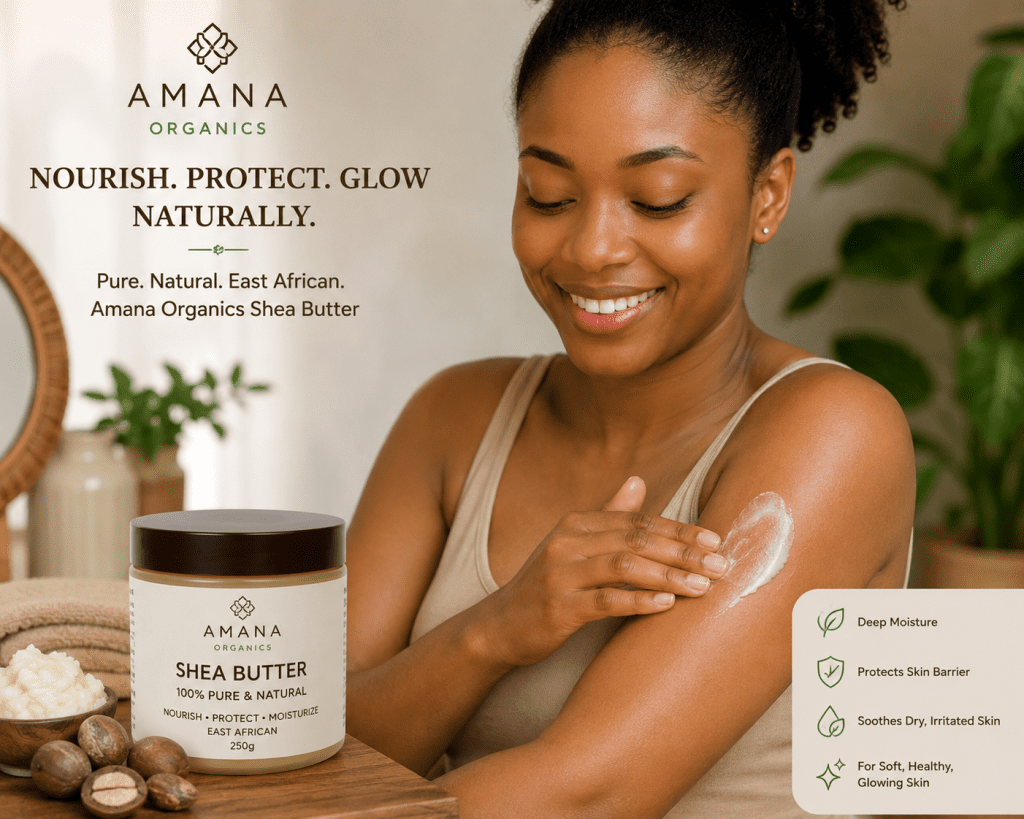
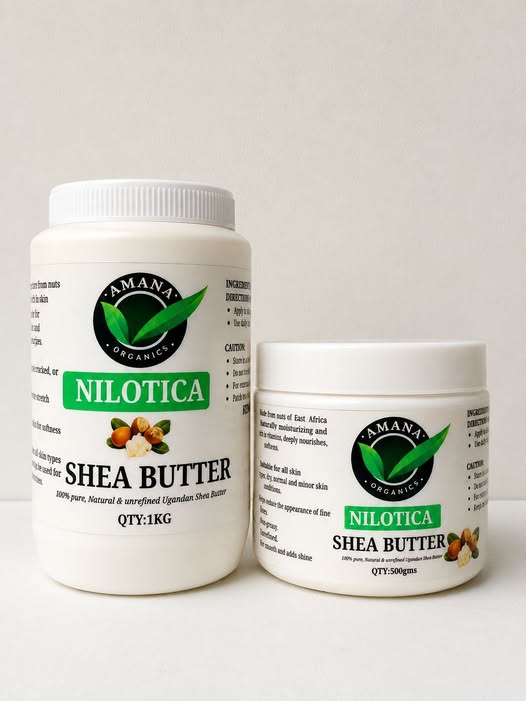
Shop premium East African Shea Butter today and start your journey to softer, smoother, healthier skin:

Click East African Shea Butter

Order now and enjoy the benefits of naturally hydrated, beautifully nourished skin every day.

rose water

15 Effective Benefits of Rose Water for Hair & Skin.

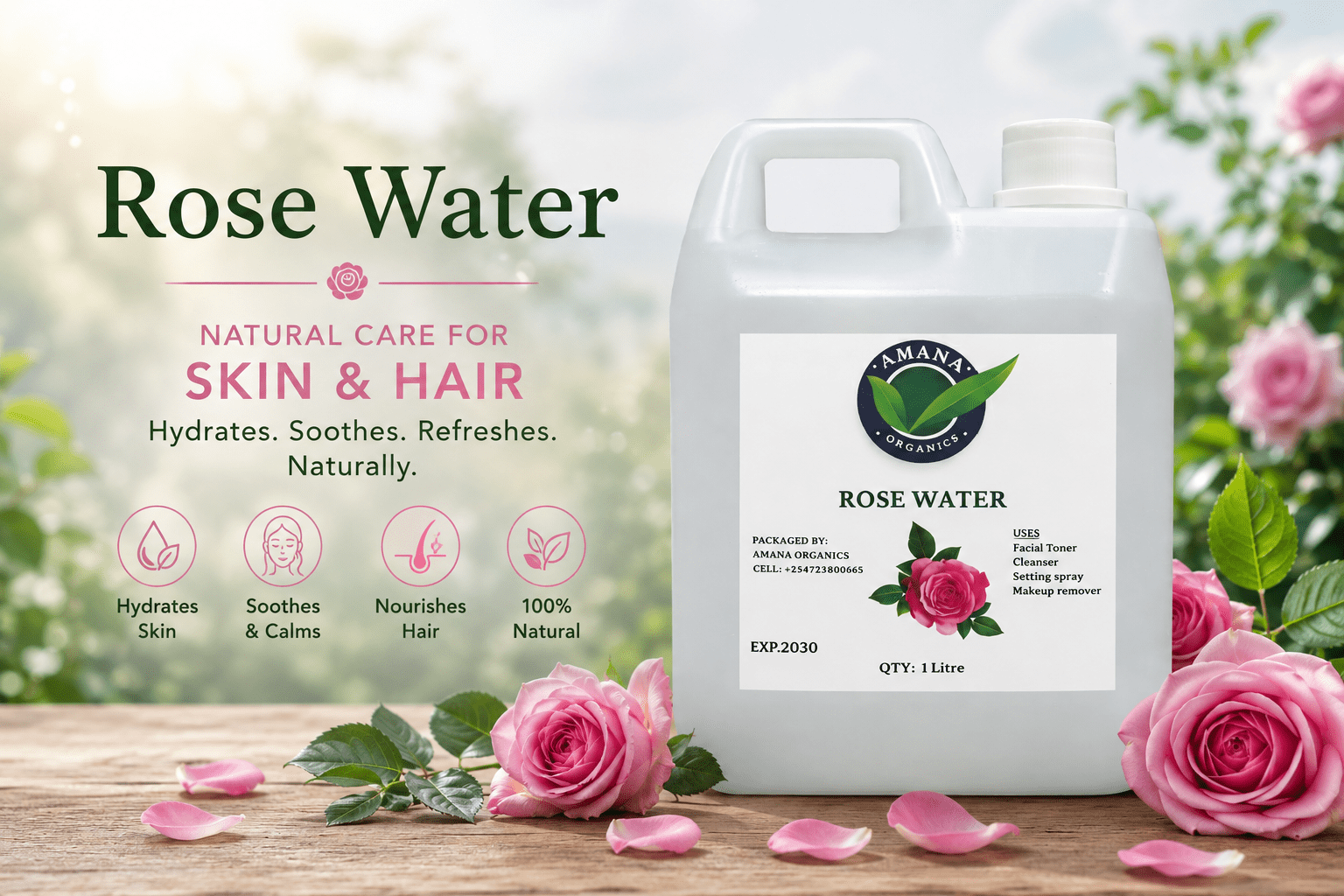
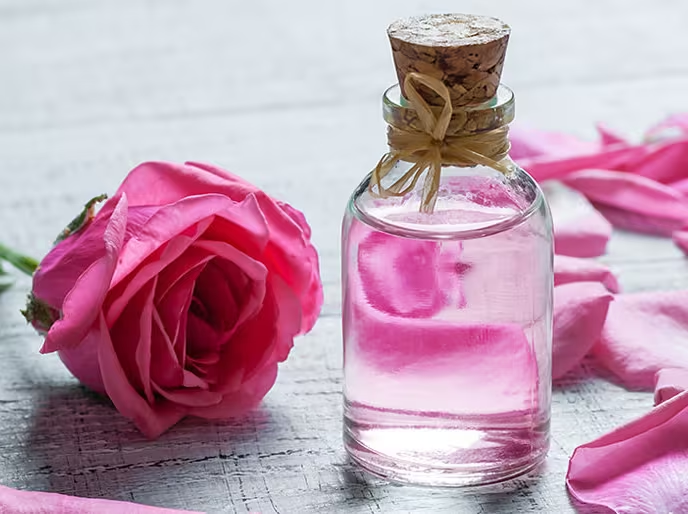
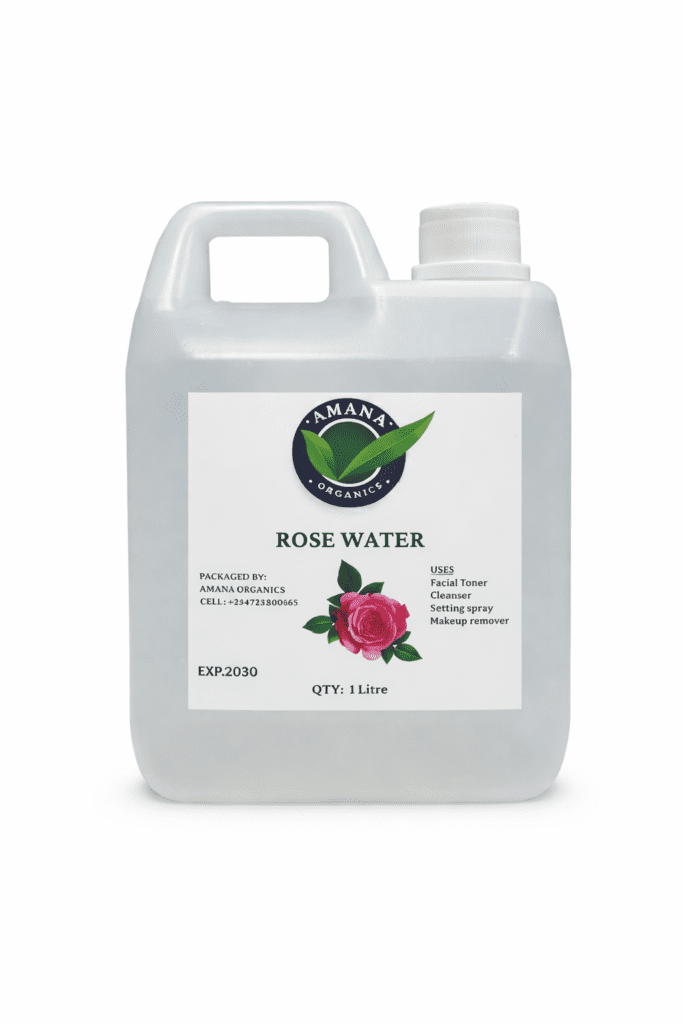
Rose water has been used in beauty rituals for centuries, and for good reason. Made by steam-distilling fresh rose petals — most commonly Rosa damascena — this gentle floral water is packed with antioxidants, vitamins, and soothing plant compounds that nourish both skin and hair.

Unlike concentrated essential oils, rose water is lightweight, calming, and suitable for even sensitive skin. Whether you use it as a facial toner, refreshing mist, scalp spray, or hair hydrator, it easily fits into any natural beauty routine.

What Is Rose Water?

Rose water is created through the steam distillation of rose petals. During this process, the beneficial botanical compounds from roses are infused into water, producing a fragrant liquid known for its calming and hydrating properties.

Because it contains natural anti-inflammatory and antioxidant compounds, rose water is widely used in skincare and haircare products around the world.

Learn more about the science-backed benefits of rose water from Healthline.

Benefits of Rose Water for Skin

1. Balances Skin’s pH

Your skin thrives at a slightly acidic pH of around 5.5. Cleansing, pollution, and even tap water can throw this off, leaving your skin vulnerable. Rose water has a naturally balanced pH that helps restore and maintain your skin’s protective barrier.

2. Soothes Redness and Irritation

If your skin gets red, blotchy, or easily irritated, rose water is your new best friend. Its anti-inflammatory properties help calm conditions like rosacea, eczema, and general sensitivity — without any harsh chemicals.

3. Hydrates Without Heaviness

Rose water is a lightweight humectant, meaning it draws moisture to the skin without leaving a greasy residue. It’s perfect for all skin types, including oily and combination skin.

4. Fights Free Radicals

Packed with antioxidants like flavonoids and tannins, rose water helps protect the skin from environmental damage and oxidative stress — two major contributors to premature aging.

5. Minimises the Appearance of Pores

Its mild astringent properties help tighten pores and reduce excess oil production, giving skin a smoother, more refined look.

6. Soothes Tired, Puffy Eyes

A couple of cotton pads soaked in chilled rose water placed over closed eyes for 10 minutes can work wonders on puffiness and dark circles after a long day.


How to Use Rose Water in Your Skincare Routine

The beauty of rose water is its simplicity. Here are some easy ways to incorporate it:

In your DIY masks: Mix rose water with clay, aloe vera, or turmeric for a custom face mask

As a toner: After cleansing, apply rose water with a cotton pad or mist it directly onto your face. It preps the skin beautifully for serums and moisturisers.

As a setting spray: Spritz it over your makeup to set it and add a dewy glow.

As a face mist: Keep a small bottle in your bag for a refreshing midday pick-me-up.

1. Hydrates Dry Hair

One of the biggest benefits of rose water is its ability to hydrate dry and dull hair. Hair becomes dry due to heat styling, harsh shampoos, weather conditions, and lack of moisture.https://www.healthline.com/health/rose-water-benefits

Rose water helps:

  • Add lightweight moisture
  • Reduce dryness
  • Improve softness
  • Make hair feel smoother

Unlike heavy oils, rose water hydrates without making hair greasy, making it ideal for daily use.


2. Soothes an Irritated Scalp

An itchy or irritated scalp can be uncomfortable and may lead to scratching, redness, and flakes. Rose water contains soothing and anti-inflammatory properties that calm the scalp naturally.

It may help with:

  • Scalp irritation
  • Mild itching
  • Redness
  • Sensitivity caused by product buildup or dryness

A healthy scalp creates a better environment for healthy hair growth.


3. Helps Reduce Dandruff

Dry scalp and dandruff are common hair concerns. Rose water can help moisturize the scalp while gently cleansing away excess oil and buildup.

Regular use may help:

  • Reduce flaky scalp
  • Minimize itchiness
  • Balance scalp moisture
  • Refresh oily scalp

For best results, rose water can be combined with ingredients like aloe vera or tea tree oil.


4. Promotes Healthy Hair Growth

Rose water helps improve scalp condition, which is important for healthy hair growth. A nourished scalp supports stronger hair follicles and healthier strands.

Rose water may support hair growth by:

  • Improving scalp hydration
  • Reducing scalp inflammation
  • Strengthening weak roots
  • Helping maintain scalp balance

While rose water alone is not a miracle growth product, it works well as part of a healthy hair care routine.


5. Strengthens Hair Strands

Weak hair breaks easily during combing or styling. Rose water contains vitamins and antioxidants that help protect and strengthen the hair.

Benefits include:

  • Less breakage
  • Improved hair elasticity
  • Softer strands
  • Healthier-looking hair

When used regularly, hair may appear shinier and more manageable.

6. Adds Natural Shine

If your hair looks dull and lifeless, rose water can help restore a healthy shine. It smooths the hair cuticle, allowing light to reflect better off the strands.

This gives hair:

  • A natural glow
  • Silky appearance
  • Fresher look
  • Softer texture

Rose water is especially helpful for dry, curly, and textured hair types.

7. Helps Control Excess Oil

An oily scalp can make hair look greasy quickly. Rose water helps balance the scalp’s natural oils without stripping away moisture.

This makes it beneficial for:

  • Oily scalp
  • Combination scalp
  • Hair that becomes greasy fast

Balanced oil production can help hair stay fresh for longer.

8. Reduces Frizz

Frizzy hair is often caused by dryness and lack of moisture. Rose water hydrates the hair and smooths the outer layer, helping reduce flyaways and frizz.

It can help:

  • Improve manageability
  • Define curls
  • Soften rough hair
  • Make styling easier

A simple rose water spray can instantly refresh frizzy hair during the day.

9. Refreshes Hair Between Wash Days

Rose water works perfectly as a lightweight hair refresher. If your hair feels dry, dull, or tired between wash days, a quick mist of rose water can revive it.

Benefits include:

  • Fresh scent
  • Hydrated strands
  • Reduced dryness
  • Refreshed scalp

It is especially useful during hot weather.

10. Suitable for Most Hair Types

Rose water is gentle and lightweight, making it suitable for:

  • Natural hair
  • Curly hair
  • Straight hair
  • Protective styles
  • Chemically treated hair
  • Dry or oily scalp

Because it is mild, many people can use it daily without irritation.

How to Use Rose Water for Hair

1. Rose Water Hair Spray

Pour rose water into a spray bottle and mist onto:

  • Hair strands
  • Scalp
  • Braids
  • Curls

Use daily for hydration and freshness.

2. Mix with Aloe Vera Gel

Combine rose water with aloe vera gel to create a soothing scalp treatment.

This mixture may help:

  • Calm itchy scalp
  • Moisturize dry hair
  • Reduce flakes

3. Add to DIY Hair Masks

Rose water can be added to natural hair masks containing:

  • Bentonite clay
  • Yogurt
  • Honey
  • Aloe vera
  • Coconut milk

This improves hydration and gives the mask a refreshing feel.

4. Use as a Scalp Toner

Apply rose water directly to the scalp using a cotton pad or spray bottle.

This may help:

  • Refresh the scalp
  • Remove light buildup
  • Reduce excess oil
  • Soothe irritation

DIY Rose Water Hair Mist Recipe

Ingredients

  • 1 cup rose water
  • 1 tablespoon aloe vera gel
  • A few drops of your favorite essential oil (optional)

Directions

  1. Mix all ingredients in a spray bottle.
  2. Shake well before use.
  3. Spray lightly onto hair and scalp.

Use daily for soft, refreshed hair.

Why Choose Amana Organics Rose Water?

Amana Organics Rose Water Hydrosol is crafted to provide gentle hydration and refreshing care for both skin and hair.

Perfect for:

  • Facial toning
  • Makeup setting
  • Hair refreshing
  • Scalp hydration
  • DIY beauty recipes
  • Daily skin hydration

You may also enjoy exploring other natural skincare ingredients from National Center for Biotechnology Information (NCBI) for additional research on botanical skincare benefits.

Final Thoughts

Rose water is a simple yet powerful natural ingredient for both hair and skin care. Its soothing, hydrating, and refreshing properties make it a favorite in natural beauty routines. Whether used as a facial toner, skin mist, scalp spray, or hair refresher, rose water helps nourish and revitalize from head to toe.

For the skin, rose water helps hydrate, calm irritation, refresh tired skin, and support a healthy natural glow. For hair, it helps moisturize dry strands, soothe the scalp, reduce frizz, and leave hair feeling soft and refreshed.

Gentle enough for most skin and hair types, rose water can easily become a daily beauty essential. With regular use, it may help promote healthier skin, stronger hair, and a naturally radiant appearance.

Call to Action

Shop Amana Organics Rose Water

Ready to refresh your beauty routine naturally?

Experience the benefits of botanical hydration with Amana Organics Rose Water Hydrosol and enjoy healthier-looking skin and softer, refreshed hair naturally.

rose water

extra virgin cold pressed coconut oil

15 Powerful Benefits of Extra Virgin Cold Pressed Coconut Oil for Hair, Skin & Health

Introduction

Extra Virgin Cold Pressed Coconut Oil is one of the purest and most versatile natural oils available today. Walk into any wellness store, and you’ll find rows of coconut oils labeled cold pressed, virgin, or refined—but not all are created equal. This premium oil stands out because of its purity, nutrient retention, and powerful benefits for health, skin, and hair.

What Is Extra Virgin Cold Pressed Coconut Oil?

Cold pressing is a mechanical extraction process performed below 45–50°C, ensuring that no nutrients are destroyed by heat. The oil is made from fresh coconut meat, not dried copra, and goes through no refining, bleaching, or deodorizing. The result is an aromatic, pure, and nutrient-dense oil that smells like fresh coconuts.

According to research, this process maintains the oil’s antioxidants, polyphenols, and medium-chain triglycerides (MCTs), delivering both taste and health benefits.


Key Health Benefits of Extra Virgin Cold Pressed Coconut Oil

1. Supports Heart Health

Though it’s high in saturated fats, most of them are MCTs that are quickly metabolized by the body. Studies suggest MCTs may help increase “good” HDL cholesterol, supporting balanced heart health.

2. Boosts Immunity

Research shows that the lauric acid in extra virgin cold pressed coconut oil has antibacterial, antifungal, and antiviral properties, protecting the immune system naturally.

3. Enhances Digestion and Gut Health

Extra virgin cold-pressed coconut oil’s antimicrobial nature helps balance gut flora, making it beneficial for digestion and improving nutrient absorption.https://www.healthline.com/nutrition/top-10-evidence-based-health-benefits-of-coconut-oil

Key Skin Benefits of Extra Virgin Cold-Pressed Coconut Oil

1. Offers Deep Moisturization for skin.

✔ Extra virgin cold pressed Coconut oil is Rich in fatty acids that deeply hydrate dry and flaky skin
✔ Extra virgin cold pressed Coconut oil Helps lock in moisture, leaving skin soft and smooth

🌟 2. Natural Glow Enhancer

✔ Gives your skin a healthy, radiant glow
✔ Improves overall skin texture with regular use

🛡️ 3. Skin Barrier Protection

✔ Extra virgin cold pressed Coconut oil Strengthens the skin’s natural barrier
✔ Extra virgin cold pressed Coconut oil Helps protect against environmental damage and dryness

🌿 4. Soothes Irritated Skin

✔Extra virgin cold pressed Coconut oil Calms redness, itching, and minor irritation
✔ Extra virgin cold pressed Coconut oil Great for sensitive or inflamed skin

🧼 5. Gentle Makeup Remover

✔ Extra virgin cold pressed Coconut oil Effectively removes makeup and dirt
✔ Extra virgin cold pressed Coconut oil leaves skin nourished (not stripped like harsh cleansers)

💧 6. Supports Healing

✔ Extra virgin cold pressed Coconut oil Contains antibacterial and antifungal properties
✔ Extra virgin cold pressed Coconut oil Helps with minor cuts, acne, and skin repair

👶 7. Great for All Ages

✔ Extra virgin cold pressed Coconut oil is Safe for babies (e.g., diaper rash, dry patches)
✔ Extra virgin cold pressed Coconut oil Works well on all skin types—especially dry skin

Key Hair Benefits of Extra Virgin Cold-Pressed Coconut Oil

1. Offers Deep Moisturization for Hair

✔ Penetrates the hair shaft to hydrate from within
✔ Prevents dryness and keeps hair soft and manageable

💪 2. Reduces Breakage

✔ Strengthens hair strands
✔ Minimizes split ends and damage from styling

🌟 3. Adds Natural Shine

✔ Smooths the hair cuticle for a glossy finish
✔ Revives dull, lifeless hair

🌿 4. Promotes Healthy Hair Growth

✔ Nourishes the scalp and improves blood circulation (when massaged)
✔ Supports stronger, longer hair over time

🛡️ 5. Protects Against Damage

✔ Helps protect hair from heat, sun, and environmental stress
✔ Reduces protein loss in hair

❄️ 6. Fights Dandruff & Dry Scalp

✔ Has antibacterial & antifungal properties
✔ Soothes itchiness and flakes

🧴 7. Perfect for Treatments

✔ Great as a pre-shampoo treatment
✔ Works well as a hot oil mask or leave-in (small amount)


Everyday Uses of Extra Virgin Cold Pressed Coconut Oil

  1. Cooking: Ideal for sautéing, baking, and low-to-medium heat cooking. Enhances curries, dals, and desserts.
  2. Coffee & Smoothies: A spoon in your coffee or smoothie boosts energy with healthy fats.
  3. Skin Care: Use as a moisturizer, makeup remover, or body oil after a shower.
  4. Hair Care: Massage into scalp and leave overnight for deep conditioning.
  5. Wellness: Add to herbal drinks or warm water for internal detoxification.

Why Choose Cold Pressed Over Refined?

FeatureCold Pressed / Extra VirginRefined (RBD) Coconut Oil
SourceFresh coconut meatDried copra
ProcessingMechanical, no heat or chemicalsUses heat and chemicals
Aroma & FlavorNatural coconut fragranceOdorless
Nutrient ContentHighReduced
Best ForSkin, hair, moderate cookingHigh-heat frying

The gentle cold-pressed method allows the oil to retain its genuine flavor, antioxidants, and health-promoting properties, making it the superior choice for most uses.


Tips for Choosing the Best Extra Virgin Cold Pressed Coconut Oil

  • Look for 100% pure, unrefined, and chemical-free labeling.
  • Ensure it says both “cold pressed” and “extra virgin.”
  • Choose organic-certified brands with transparent sourcing.
  • The oil should have a mild coconut aroma and solidify below 24°C (a sign of purity).

Final Thoughts

Extra virgin cold pressed coconut oil isn’t just another kitchen ingredient — it’s a versatile wellness essential. Whether you use it for glowing skin, lustrous hair, or balanced cooking, this oil delivers unmatched purity and benefits. Its natural extraction ensures you’re getting coconut oil in its truest, most nourishing form — just as nature intended.

Shop premium Extra Virgin Cold Pressed Coconut Oil at Amana Organics Kenya.https://www.amanaorganicskenya.com/product/extra-virgin-cold-pressed-coconut-oil/

Call to Action

Ready to experience the benefits?
Shop 100% pure Extra Virgin Cold Pressed Coconut Oil from Amana Organics today and transform your hair, skin, and health naturally.

Pure Extra Virgin Coconut oil
Organic Kojic soap Benefits

5 Reasons Why Organic Kojic Soap is your skin Best Friend

Healthy, glowing skin doesn’t come from harsh chemicals — it starts with natural, consistent care. If you’re looking for a simple yet effective way to improve your skin, understanding the organic kojic soap benefits can completely change your skincare routine.

At Amana Organics, our Organic Kojic Soap is crafted to gently cleanse, brighten, and nourish your skin using natural ingredients that work with your body, not against it. Whether you’re dealing with dark spots, acne, or dull skin, this soap offers a natural solution you can trust.

1. Brightens and Evens Skin Tone Naturally

One of the most powerful organic kojic soap benefits is its ability to brighten your skin and even out your complexion.

Kojic acid works by reducing melanin production, which helps fade:

  • Dark spots
  • Hyperpigmentation
  • Sun damage
  • Uneven skin tone

With consistent use, your skin gradually becomes clearer, smoother, and more radiant — without the need for harsh bleaching products.

👉 Result: A natural glow that looks healthy, not artificial.

2. Helps Fight Acne and Reduce Blemishes

If you struggle with breakouts, another key organic kojic soap benefit is its antibacterial and deep-cleansing properties.

This soap helps to:

  • Remove excess oil
  • Unclog pores
  • Prevent acne-causing bacteria
  • Reduce acne scars over time

Unlike aggressive acne treatments that dry out your skin, organic kojic soap keeps your skin balanced while targeting the root causes of breakouts.

👉 Result: Clearer, smoother, and healthier-looking skin.

Organic Kojic soap Benefits

3. Gentle and Safe for All Skin Types

Many skincare products promise results but end up irritating your skin. One major advantage of organic kojic soap benefits is that it’s gentle enough for everyday use.

Our formula is suitable for:

  • Sensitive skin
  • Dry skin
  • Oily and combination skin

Because it’s made with natural ingredients, it cleanses without stripping your skin of essential moisture.

👉 Result: Soft, refreshed skin without irritation or dryness.

4. Supports Anti-Aging and Youthful Skin

Another underrated organic kojic soap benefit is its role in maintaining youthful skin.

Kojic acid helps:

  • Reduce age spots and sun damage
  • Improve skin texture
  • Promote a brighter, more youthful appearance

Combined with nourishing ingredients, it helps slow down visible signs of aging while keeping your skin firm and healthy.

👉 Result: A smoother, more youthful glow over time.

5. Made with Natural Ingredients You Can Trust

What makes these organic kojic soap benefits even more powerful is the quality of ingredients used.

Key Ingredients:

  • Kojic Acid – Brightens and evens skin tone
  • Shea Butter & Coconut Oil – Deeply moisturize and soften
  • Vitamin E – Protects against free radicals and supports skin repair

At Amana Organics, we focus on 100% natural, chemical-free formulations, ensuring your skin gets only the best care.

👉 Result: Safe, effective skincare without harmful additives.

Kojic Soap | Amana Organics

How to Use Organic Kojic Soap for Best Results: Organic Kojic Soap Benefits

To fully enjoy the organic kojic soap benefits, consistency is key.

Simple Routine:

  1. Wet your skin with lukewarm water
  2. Lather the soap in your hands
  3. Apply gently in circular motions
  4. Leave it on for 2–3 minutes
  5. Rinse thoroughly and pat dry
  6. Follow with a natural moisturizer

💡 Tip: Use daily for visible results within a few weeks.

Final Thoughts

When it comes to natural skincare, few products deliver results as effectively as this one. The organic kojic soap benefits go beyond surface-level cleansing—they help restore your skin’s natural balance, improve tone, and boost confidence.

If you’re ready to:

  • Brighten your skin
  • Reduce acne and blemishes
  • Achieve a natural glow

Then it’s time to switch to a skincare solution that truly works for you.

Call to Action

Glow naturally with Amana Organics Organic Kojic Soap.
Experience clearer, brighter, and healthier skin — the natural way.

Click here to buy Organic Kojic soap.


    raw butters Kenya

    How to Make DIY Body Butter in Kenya (Simple Natural Recipe)

    There is something deeply satisfying about knowing exactly what goes onto your skin. In a market flooded with skincare products packed with unpronounceable ingredients, making your own body butter at home is a refreshing and empowering alternative. It is simpler than most people think, significantly more affordable than buying premium store-bought moisturizers, and the results are often far superior.

    This guide walks you through everything you need to know about making DIY body butter in Kenya — from understanding why it works to the ingredients you need to a simple step-by-step recipe you can follow even as a complete beginner.


    Why Make Your Own Body Butter?

    Before diving into the recipe, it is worth understanding why so many Kenyans are turning to homemade skincare — and why it makes a lot of sense.

    You Control Every Ingredient

    When you make your own body butter, you know precisely what is in it. No hidden preservatives, no synthetic fragrances, no petroleum-derived fillers. Every ingredient you add is one you have chosen intentionally.

    You Avoid Harmful Chemicals

    Many commercial moisturizers contain parabens, sulphates, mineral oils, and artificial colours — ingredients that may irritate, clog pores, or disrupt hormones over time. Homemade body butter eliminates all of that.

    It Is Genuinely Cost-Effective

    Raw ingredients like shea butter and coconut oil go a long way. A small investment in quality bulk ingredients can produce multiple batches of body butter, costing you far less per use than a branded moisturiser from the supermarket.

    It Is Completely Customisable

    You can tailor your body butter to your specific skin type, concerns, and even your preferred scent. Dry skin? Add more shea butter. Prefer a lighter texture? Increase the carrier oil ratio. Want a calming lavender scent? Add a few drops of lavender essential oil. The formula is entirely yours.

    It Makes a Thoughtful Gift | DIY body butter in Kenya

    Homemade body butter, beautifully packaged, is one of the most thoughtful and personal gifts you can give. Many people in Kenya have turned this hobby into a small side business after seeing how much friends and family love the product.

    Body Butter (Whipped & Water-Based Guide)

    Ingredients You Will Need

    The beauty of this recipe is its simplicity. You only need a handful of natural ingredients, most of which are available from local suppliers like Amana Organics.

    Base Ingredients:

    • Shea butter — the hero ingredient; deeply moisturising, rich in vitamins A and E, and suitable for all skin types
    • Coconut oil — adds a light, silky texture and has natural antimicrobial properties
    • Carrier oil — such as sweet almond oil, jojoba oil, or argan oil; helps thin the mixture and adds extra nourishment

    Optional Add-ins:

    • Essential oil — for fragrance and added skin benefits (lavender, rose, frankincense, or tea tree are popular choices)
    • Vitamin E oil — acts as a natural preservative and antioxidant booster
    • Arrowroot powder — a small amount can reduce the greasy feeling on the skin

    moisturizer 👉 Shop raw butters: /raw-butters-kenya 👉 Shop carrier oils: /carrier-oils-kenya


    Equipment You Will Need

    • A double boiler (or a heatproof bowl placed over a pot of simmering water)
    • A mixing bowl
    • An electric hand mixer or stand mixer
    • A spatula
    • Clean airtight glass jars for storage

    Step-by-Step Recipe: DIY body butter in Kenya

    Step 1: Measure Your Ingredients

    A good starting ratio is:

    • ½ cup shea butter
    • ¼ cup coconut oil
    • ¼ cup carrier oil of your choice
    • 10–20 drops of essential oil (optional)

    This produces roughly one cup of finished body butter — enough to fill a medium-sized jar.

    Step 2: Melt the Shea Butter and Coconut Oil

    Using a double boiler, gently melt the shea butter and coconut oil together over low heat. Stir occasionally until fully combined and liquid. Avoid using direct heat, as high temperatures can degrade the quality of the ingredients.

    Step 3: Add the Carrier Oil

    Once melted, remove the bowl from the heat and stir in your carrier oil. Mix well until everything is fully incorporated.

    Step 4: Allow the Mixture to Cool

    This is the most important step and the one most beginners rush. Allow the mixture to cool at room temperature until it becomes semi-solid — this usually takes 1 to 2 hours. For faster results, you can place the bowl in the refrigerator for 30 to 45 minutes. You want it firm but not completely hard before whipping.

    Step 5: Whip the Mixture

    Using an electric hand mixer, whip the semi-solid mixture on medium-high speed for 5 to 10 minutes. You will notice it transforms from a dense, greasy paste into a light, fluffy, cloud-like texture — similar to whipped cream. This aeration is what makes whipped body butter feel so luxurious and non-greasy on the skin.

    Step 6: Add Essential Oils

    Once whipped, fold in your essential oils and any other optional add-ins using a spatula. Mix gently to distribute evenly without deflating the whipped texture.

    Step 7: Transfer and Store

    Scoop your finished body butter into clean, dry, airtight glass jars. Label with the date and ingredients. Store in a cool, dry place away from direct sunlight.


    How to Use Your DIY Body Butter in Kenya

    Apply a small amount to your skin immediately after a shower or bath, while your skin is still slightly damp. This helps lock in moisture more effectively. A little goes a long way — start with a small scoop and warm it between your palms before applying.

    It works beautifully on:

    • Dry elbows and knees
    • Cracked heels
    • Dry hands
    • The entire body as a daily moisturiser
    • Stretched or scarred skin for improved texture over time
    DIY Body Butter in Kenya

    Benefits of DIY Body Butter for Kenyan Skin

    Kenya’s climate varies widely — from the dry heat of the Rift Valley to the humid coastal air of Mombasa. Homemade body butter can be adapted to suit any environment:

    • Deep, lasting hydration without the artificial silicones found in commercial lotions
    • Natural glow from the vitamins and fatty acids in shea butter and carrier oils
    • Safe for sensitive and reactive skin, including eczema-prone and baby skin
    • Anti-inflammatory properties from ingredients like shea butter and lavender essential oil
    • Non-comedogenic options — using jojoba as your carrier oil means it won’t clog pores, making it suitable even for acne-prone skin

    Tips for a Better Result

    • Do not skip the cooling step. Whipping the mixture while it is too warm will result in a greasy, flat product that does not hold its texture.
    • Use clean, dry equipment. Even small amounts of water can introduce bacteria and shorten shelf life.
    • Start with small batches until you find a formula you love, then scale up.
    • Shelf life is typically 3 to 6 months when stored correctly. Adding vitamin E oil can extend this slightly.
    • Avoid storing near heat sources like stoves or windows — the butter will melt and lose its whipped texture.

    Turning It Into a Business

    Many small skincare businesses in Kenya started with exactly this recipe. If you are considering selling your homemade body butter, focus on:

    • Sourcing consistently high-quality raw ingredients from a trusted wholesale supplier
    • Using appealing, professional packaging
    • Clearly labelling all ingredients for transparency
    • Starting with friends, family, and social media before scaling to markets or retail

    With quality ingredients from a supplier like Amana Organics, you will have a strong foundation for a product that customers will trust and return to.

    DIY body butter in Kenya


    Final Thoughts

    Making your own body butter at home in Kenya is one of the most accessible and rewarding steps you can take toward a more natural skincare routine. The process is straightforward, the ingredients are readily available, and the results genuinely rival — and often outperform — expensive store-bought alternatives.

    The key, as always, is starting with quality ingredients. What goes into your body, butter, is what comes out in your skin results. Invest in good raw materials, follow the steps carefully, and enjoy the satisfaction of nourishing your skin with something you made yourself.

    Check our shop now

    For more DIY skincare inspiration and recipes,

    visit: https://www.byrdie.com/diy-body-butter-5070451

    Back to Top
    Product has been added to your cart
    Compare (0)