Essential Oils: Benefits, Uses, Safety & How to Choose the Right Oil
Essential oils benefits, Essential oils have become increasingly popular in natural skincare, haircare, aromatherapy and personal care. From the calming aroma of lavender to the refreshing sensation of peppermint, these concentrated plant extracts offer a variety of ways to enjoy the natural aromas and properties of plants.
But what exactly are essential oils? How are they extracted? What are they used for, and how can you use them safely?
In this guide, Amana Organics explores essential oils, their common uses, extraction methods, safety considerations and how to choose the right essential oil for your needs.
What Are Essential Oils?
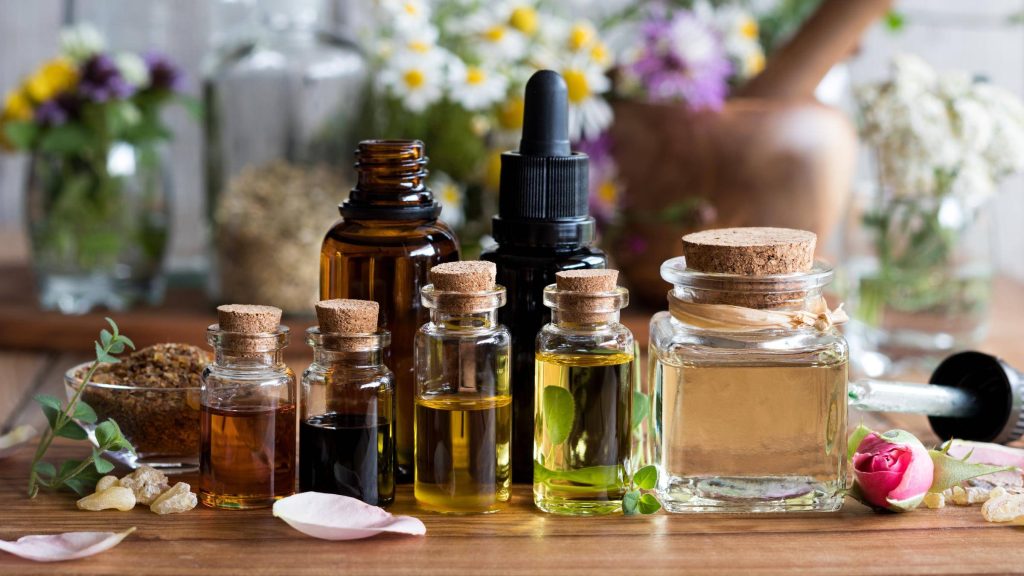
hey contain naturally occurring compounds responsible for the characteristic fragrance of the plant. For example, lavender essential oil has the distinctive floral aroma associated with lavender, while peppermint essential oil has a fresh, minty aroma.
Essential oils are much more concentrated than the original plant material. This is why a small amount can provide a strong aroma and why essential oils should be handled carefully.
Essential oils are commonly used in:
- Aromatherapy
- Personal-care products
- Skincare formulations
- Haircare products
- Massage oils
- Bath products
- Natural fragrances
- Home fragrance applications
Aromatherapy typically involves inhaling essential oils or applying them to the skin in a diluted form. The National Center for Complementary and Integrative Health provides further information about aromatherapy and essential oils, including their common uses and safety considerations. NCCIH – Aromatherapy and Essential Oils
Where Do Essential Oils Come From?
Essential oils are derived from aromatic plants grown in different parts of the world.
Depending on the plant, the oil may come from:
- Flowers
- Leaves
- Stems
- Bark
- Roots
- Seeds
- Fruit peels
- Other aromatic plant material
Lavender essential oil, for example, is associated with the lavender plant, while tea tree essential oil comes from the leaves of the tea tree, Melaleuca alternifolia. Tea tree oil is commonly produced through steam distillation of the leaves.
The plant species, growing conditions, harvesting methods, processing technique and storage conditions can all influence the final characteristics of an essential oil.
Why Do People Use Essential Oils?
People use essential oils for several different reasons.
Some enjoy them primarily for their natural aromas, while others incorporate them into skincare, haircare, massage or aromatherapy routines.
Common uses include:
Essential Oils Benefits in Aromatherapy
Essential oils can be inhaled using appropriate aromatherapy methods such as a diffuser or personal inhalation method.
Lavender, peppermint and other aromatic oils are commonly used in aromatherapy. Research into aromatherapy continues, and evidence differs depending on the oil and the purpose for which it is being used.
Essential Oils Benefits in Skincare
Some essential oils are incorporated into cosmetic formulations designed for particular skin types or purposes.
However, because essential oils are concentrated, they should not automatically be assumed to be suitable for direct application to the skin. Dermatologists caution that essential oils can cause irritation or allergic reactions, particularly when used undiluted.
Essential Oils Benefits in Hair and Scalp Care
Certain essential oils are popular ingredients in hair and scalp products.
They are generally used in diluted formulations or combined with carrier oils rather than applied directly in their concentrated form.
Essential Oils Benefits in Personal Care
Essential oils can add natural fragrance to products such as body oils, soaps, bath products and massage oils.
How Are Essential Oils Extracted?
Different plants require different extraction techniques. The extraction method can affect the aroma, composition and characteristics of the final oil.
Steam Distillation
Steam distillation is one of the most commonly used methods for producing essential oils.
During steam distillation, steam passes through aromatic plant material. Heat helps release volatile aromatic compounds, which travel with the steam. The vapour is then cooled and condensed, allowing the essential oil to be separated from the water.
Many essential oils, including tea tree oil, are produced using steam distillation.
Cold Pressing
Cold pressing is particularly associated with citrus essential oils.
The oil-containing outer peel of fruits such as oranges, lemons and other citrus fruits can be mechanically pressed to release aromatic oils.
Citrus oils require particular attention when used on the skin because some citrus essential oils can increase sensitivity to sunlight depending on the specific oil and formulation.
Other Extraction Methods
Some delicate flowers and plant materials may require specialized extraction techniques.
Depending on the plant, methods may include solvent extraction or other advanced techniques designed to capture aromatic compounds that may not be suitable for conventional steam distillation.
The important point is that not every essential oil is extracted in exactly the same way.
Benefits and Uses of Essential Oils
Different essential oils have different aromas and characteristics. Your choice should depend on how you intend to use the oil.
Here are some popular essential oils and their common applications.
Lavender Essential Oil
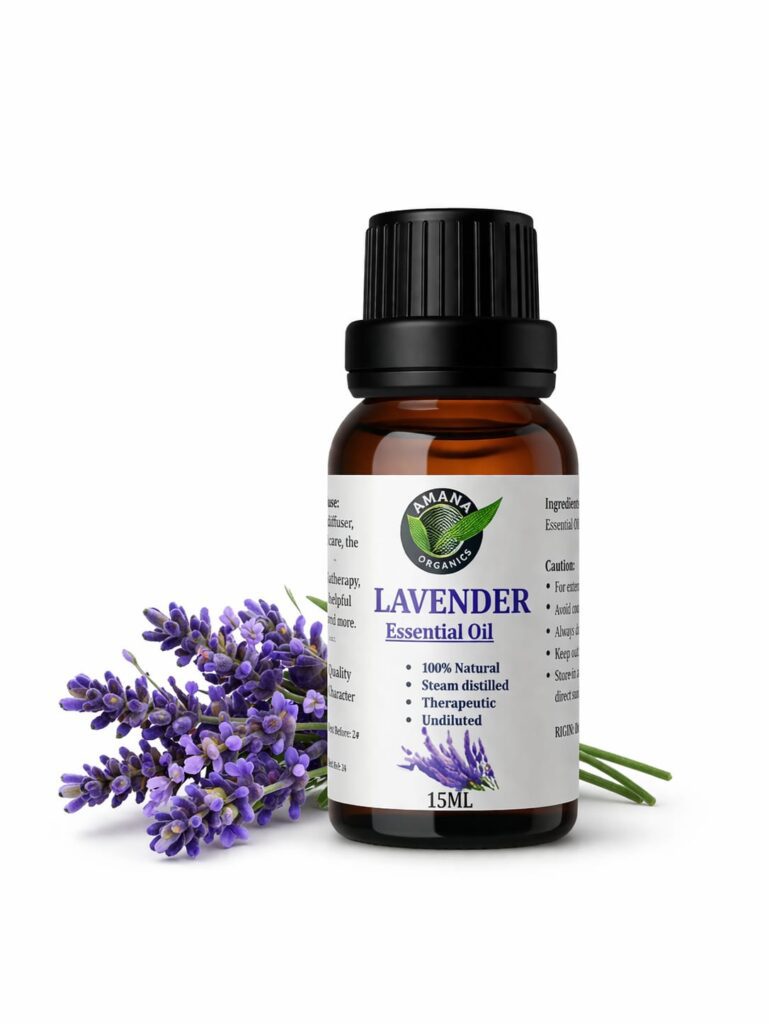
Lavender essential oil is one of the best-known essential oils and is widely appreciated for its soft, floral aroma.
Aromatherapy
Lavender is commonly used in aromatherapy because of its pleasant and relaxing scent.
Some people incorporate lavender into their evening routines, massage practices or home fragrance routines.
Although lavender is widely promoted for relaxation and sleep, research has not established strong conclusions for every claimed benefit.
Relaxation
The aroma of lavender can be incorporated into relaxing personal-care routines.
You can use appropriately formulated lavender products during activities such as massage, bathing or evening aromatherapy.
Skincare Applications
Lavender essential oil is also used as an ingredient in cosmetic and personal-care formulations.
For topical use, it should be appropriately diluted because concentrated essential oils may irritate sensitive skin.
Looking for Lavender Essential Oil in Kenya? Discover Amana Organics 100% pure Lavender Essential Oil (Lavandula angustifolia), steam-distilled from lavender flowers and suitable for aromatherapy and properly diluted personal-care applications
Rosemary Essential Oil
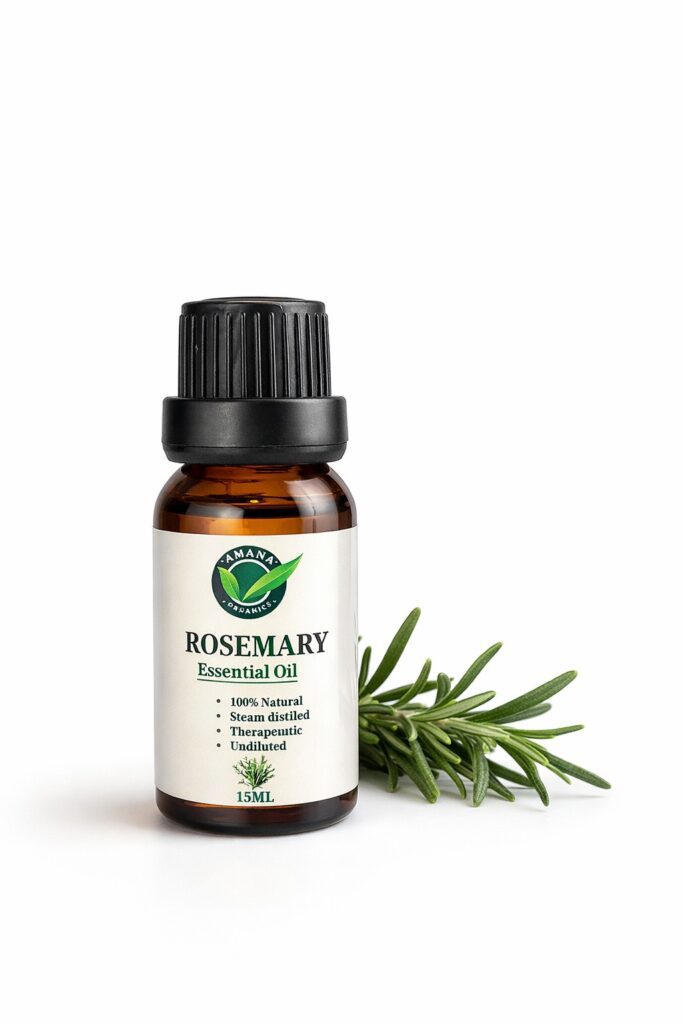
Rosemary essential oil has a distinctive fresh, herbaceous aroma and is particularly popular in haircare and scalp-care formulations.
Hair and Scalp Care
Rosemary essential oil is commonly incorporated into hair oils, scalp products and massage blends.
When using it for scalp care, dilute it with a suitable carrier oil before application.
Rather than applying concentrated essential oil directly to your scalp, use a properly formulated or diluted product.
Aromatherapy
Its fresh herbal aroma also makes rosemary popular in aromatherapy and personal-care routines.
If you enjoy refreshing, herbaceous scents, rosemary can be a useful addition to your essential-oil collection.
Explore Amana Organics Rosemary Essential Oil for use in appropriately diluted haircare, scalp-care and aromatherapy applications.
Peppermint Essential Oil
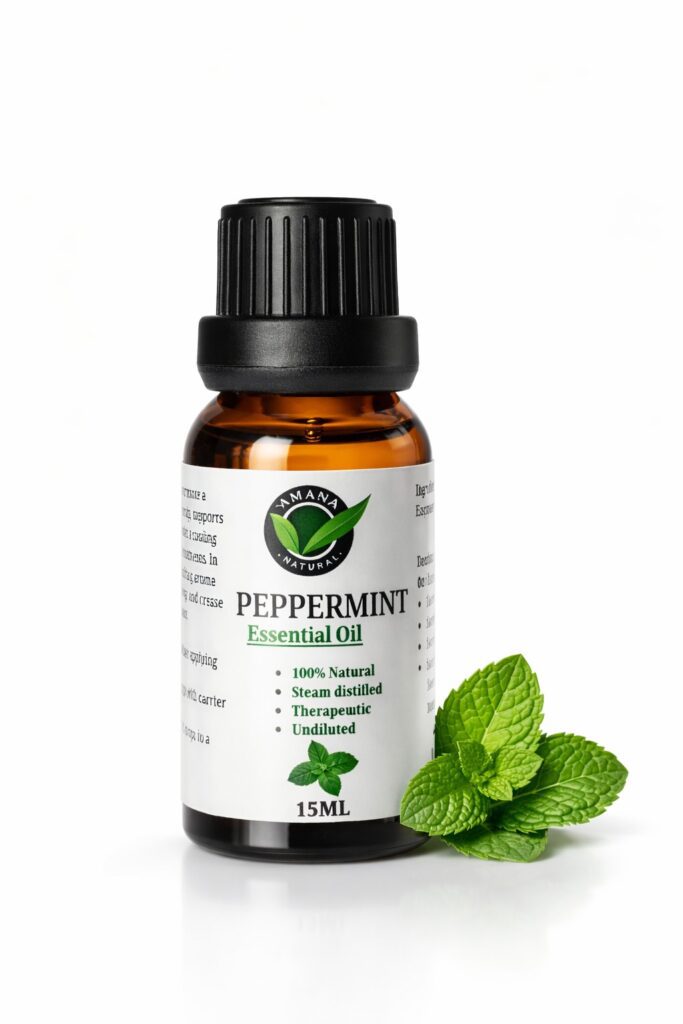
Peppermint essential oil is known for its strong, fresh and cooling aroma.
The cooling sensation is largely associated with menthol, one of peppermint oil’s characteristic compounds.
Cooling Sensation
When appropriately diluted and used in suitable formulations, peppermint can provide a refreshing sensation on the skin.
Because peppermint oil can cause irritation in some people, concentrated application should be avoided.
Aromatherapy
Peppermint’s fresh aroma makes it popular for aromatherapy and refreshing personal-care routines.
Research on peppermint oil has investigated several applications, but evidence is not sufficient to support every claim made about the oil.
Scalp Care
Peppermint is also commonly used in hair and scalp products because of its refreshing aroma and cooling sensation.
Always dilute essential oils before topical application and avoid the eyes and other sensitive areas.
Discover Amana Organics Peppermint Essential Oil for properly diluted personal-care and aromatherapy applications.
Tea Tree Essential Oil
Tea tree essential oil is obtained from the leaves of the tea tree, Melaleuca alternifolia, primarily through steam distillation.
It has a distinctive fresh, medicinal and herbaceous aroma.
Skin Cleansing
Tea tree oil is commonly incorporated into skincare products intended for cleansing and oily-skin routines.
Some research suggests that topical tea tree oil may help with acne, although the evidence is limited and more research is needed.
Oily and Acne-Prone Skin Routines
Some people choose diluted tea tree oil as part of an oily or blemish-prone skincare routine.
However, tea tree oil can cause redness, irritation, burning or dryness in some individuals. It should never be swallowed.
Shop Amana Organics Tea Tree Essential Oil for appropriately diluted skincare and personal-care applications.
Lemongrass Essential Oil
Lemongrass essential oil has a bright, fresh and citrus-like aroma.
Aromatherapy
Its refreshing scent makes lemongrass popular in aromatherapy, home fragrance and personal-care products.
It can be incorporated into diffuser blends or other appropriate aromatherapy applications.
Personal-Care Applications
Lemongrass essential oil is also used as a fragrance ingredient in soaps, body products, massage blends and other cosmetic formulations.
Because essential oils are concentrated, topical use should always involve appropriate dilution.
Cinnamon Essential Oil
Cinnamon essential oil has a warm, spicy and distinctive aroma.
Aromatic Use
It can be used in suitable aromatherapy and fragrance applications, particularly when combined with other complementary aromatic oils.
Important Dilution Precautions
Cinnamon essential oil deserves particular caution when used topically because it can be irritating to the skin.
It should not be treated like a regular body oil and applied directly to the skin.
Always use a properly diluted formulation and follow the recommended usage instructions for the specific product.
How to Use Essential Oils Safely
Essential oils are concentrated substances. Natural does not automatically mean risk-free.
The safest approach is to understand the specific oil, intended application and appropriate concentration before using it.
Dilute Essential Oils Before Topical Use
Most essential oils should be diluted with a suitable carrier oil before being applied to the skin.
Common carrier oils include:
- Coconut oil
- Jojoba oil
- Sweet almond oil
- Avocado oil
- Sesame oil
- Grapeseed oil
The appropriate dilution depends on the essential oil, intended use, age of the user and individual circumstances.
For commercial products, always follow the manufacturer’s recommended usage instructions.
Patch Test New Topical Products
If you are trying a new essential-oil-containing product, consider testing a small amount on a limited area of skin first.
Stop using the product if you experience significant redness, burning, itching, swelling or other signs of irritation.
Essential oils can cause allergic reactions or skin irritation in some people.
Avoid the Eyes and Sensitive Areas
Do not allow concentrated essential oils to come into contact with the eyes.
Avoid applying them to broken, irritated or damaged skin unless the product has specifically been formulated for that purpose.
Keep Essential Oils Away From Children
Essential oils should be stored safely away from children.
Some essential oils can cause serious problems if swallowed. Tea tree oil, for example, should not be swallowed.
Peppermint oil also requires particular caution around infants and young children because menthol can cause serious breathing-related effects when inhaled by very young children.
Store Essential Oils Properly
Keep essential oils:
- Tightly closed
- Away from direct sunlight
- Away from excessive heat
- In their original containers
- Out of reach of children and pets
Exposure to heat, light and air can affect some oils over time. Oxidized tea tree oil, for example, may be more likely to cause allergic reactions.
Pregnancy, Breastfeeding and Medical Conditions
People who are pregnant, breastfeeding, taking medication or managing a medical condition should exercise additional caution.
Safety can vary considerably depending on the essential oil and method of use. If you are unsure whether a particular essential oil is appropriate for you, speak with a qualified healthcare professional before use.
Essential Oils vs Carrier Oils: What’s the Difference?
This is an important distinction.
Essential oils are highly concentrated aromatic extracts from plants. They are primarily used for their aroma and as ingredients in appropriately formulated cosmetic and aromatherapy products.
Carrier oils are vegetable oils used to dilute essential oils and help spread them over the skin.
Examples of carrier oils include coconut oil, jojoba oil, avocado oil, sesame oil and sweet almond oil.
For example, lavender essential oil can be combined with a carrier oil at an appropriate dilution for a massage or personal-care application.
How to Choose the Right Essential Oil
With so many essential oils available, choosing one can feel overwhelming.
Start by asking yourself what you want to use it for.
For a Floral Aroma
Consider:
- Lavender
- Ylang-ylang
- Geranium
For a Fresh, Minty Aroma
Consider:
- Peppermint
For a Fresh Herbal Aroma
Consider:
- Rosemary
- Tea tree
For a Fresh Citrus-Like Aroma
Consider:
- Lemongrass
- Appropriate citrus essential oils
For a Warm, Spicy Aroma
Consider:
- Cinnamon
Most importantly, choose an essential oil from a reputable supplier and check the product label for the botanical name, intended use and usage instructions.
Why Choose Amana Organics Essential Oils?
At Amana Organics, we believe natural personal care should combine quality, transparency and responsible use.
Our range of essential oils is designed for customers looking for aromatic oils for personal-care, cosmetic and aromatherapy applications.
Whether you’re looking for lavender essential oil in Kenya, rosemary essential oil for haircare, peppermint essential oil for a refreshing aroma or tea tree essential oil for a skincare routine, choose products that are clearly labelled and accompanied by appropriate usage information.
Explore the Amana Organics range of essential oils and discover oils that fit naturally into your personal-care routine.
Frequently Asked Questions About Essential Oils
Are essential oils safe to use on the skin?
They can be used topically when the specific oil is appropriate and is correctly diluted and formulated. However, some essential oils can cause irritation or allergic reactions. Undiluted application is generally not recommended.
Can essential oils be used directly on the skin?
Generally, essential oils should not be applied directly to the skin in their concentrated form. They are highly concentrated and can cause irritation. Dilution with an appropriate carrier oil or use in a properly formulated cosmetic product is a safer approach.
What is the difference between essential oil and carrier oil?
Essential oils are concentrated aromatic plant extracts. Carrier oils are vegetable oils used to dilute essential oils and help spread them over the skin.
Which essential oil is good for hair care?
Rosemary and peppermint are commonly used in hair and scalp-care formulations. However, essential oils should be appropriately diluted, and individual tolerance can vary.
How do you dilute essential oils?
Essential oils are diluted by mixing an appropriate amount with a carrier oil or incorporating them into a properly formulated cosmetic product. The correct concentration depends on the particular essential oil and intended use.
Can I use essential oils every day?
Daily use depends on the specific essential oil, concentration and application method. Follow the manufacturer’s directions and avoid excessive or undiluted topical use.
Can essential oils be used during pregnancy?
Safety varies by oil and method of use, and information is limited for some oils. If you are pregnant or breastfeeding, consult a qualified healthcare professional before using essential oils, particularly for topical or internal use.
Can I ingest essential oils?
Do not assume that an essential oil is safe to swallow simply because it is natural. Some essential oils can be toxic when swallowed. Tea tree oil, for example, should not be ingested.
Where can I buy essential oils in Kenya?
You can find essential oils from natural skincare and wellness suppliers in Kenya. When choosing an essential oil, look for clear labelling, the botanical name, intended use and appropriate safety instructions.
Amana Organics offers a selection of essential oils for customers in Kenya looking for quality ingredients for personal-care, cosmetic and aromatherapy applications.
Final Thoughts
Essential oils are concentrated botanical extracts that can bring beautiful natural aromas to skincare, haircare, massage and aromatherapy routines.
Lavender can provide a gentle floral aroma, rosemary and peppermint are popular in hair and scalp-care products, tea tree is commonly incorporated into skincare products, while lemongrass and cinnamon offer distinctive aromatic experiences.
However, essential oils should always be treated with care. They are concentrated ingredients, and natural does not automatically mean completely safe.
Choose the right oil for your intended purpose, dilute appropriately for topical use, follow product instructions and seek professional advice when you are unsure.
For quality essential oils in Kenya, explore the Amana Organics collection and find the oils that fit your natural personal-care routine.
Call to Action (CTA)
Ready to explore the world of pure essential oils?
Discover Amana Organics’ collection of high-quality essential oils, including Lavender, Rosemary, Peppermint, Tea Tree, Lemongrass and Cinnamon Essential Oils, carefully selected for aromatherapy, skincare, haircare and personal-care applications.
Whether you are creating a relaxing self-care routine, formulating natural beauty products or looking for aromatic oils for your home, Amana Organics offers natural essential oils to suit your needs.
Shop Essential Oils Today: www.amanaorganicskenya.com
Need help choosing the right essential oil? Contact us on 0725 560 565 for personalized assistance.
Explore our range and experience the beauty of nature through quality essential oils from Amana Organics.
Add a review
Your email address will not be published. Required fields are marked *